How to Choose a Custom Signage Manufacturer for Large Commercial Projects?
How to Choose a Custom Signage Manufacturer for Large Commercial Projects
Choosing the right custom signage manufacturer is an important decision for developers, architects, contractors and procurement managers involved in large commercial projects.
Whether you are sourcing signage for a hotel, shopping mall, hospital, airport or educational campus, the supplier you choose can directly affect product consistency, manufacturing quality, project coordination and delivery schedules.
Unlike purchasing individual signs, sourcing a complete architectural signage system often involves multiple materials, finishes, dimensions, installation requirements and production processes.
This guide explains how to evaluate a signage manufacturer, what information to prepare before requesting a quotation, and how to reduce sourcing risks when working with an overseas supplier.
1. Why Choosing the Right Signage Manufacturer Matters
Commercial signage is more than a collection of directional signs or building identification panels.
A complete wayfinding signage system must integrate with the building's architecture, visual identity, visitor circulation and operational requirements.
For large projects, signage may include:
-
Exterior building identification signs
-
Interior directional and wayfinding signs
-
Floor directories and information displays
-
Room and department identification signs
-
Illuminated architectural signage
-
Parking and transportation signage
-
Accessibility and safety identification signs
These products often require different manufacturing techniques while maintaining consistent colors, typography, materials and finishes.
A qualified commercial signage manufacturer should therefore understand both individual product specifications and the overall requirements of a coordinated signage system.
For procurement teams, this means evaluating manufacturing capabilities, engineering support, quality control and project coordination rather than comparing prices alone.
2. Seven Factors to Evaluate Before Choosing a Signage Manufacturer
2.1 Manufacturing Capabilities
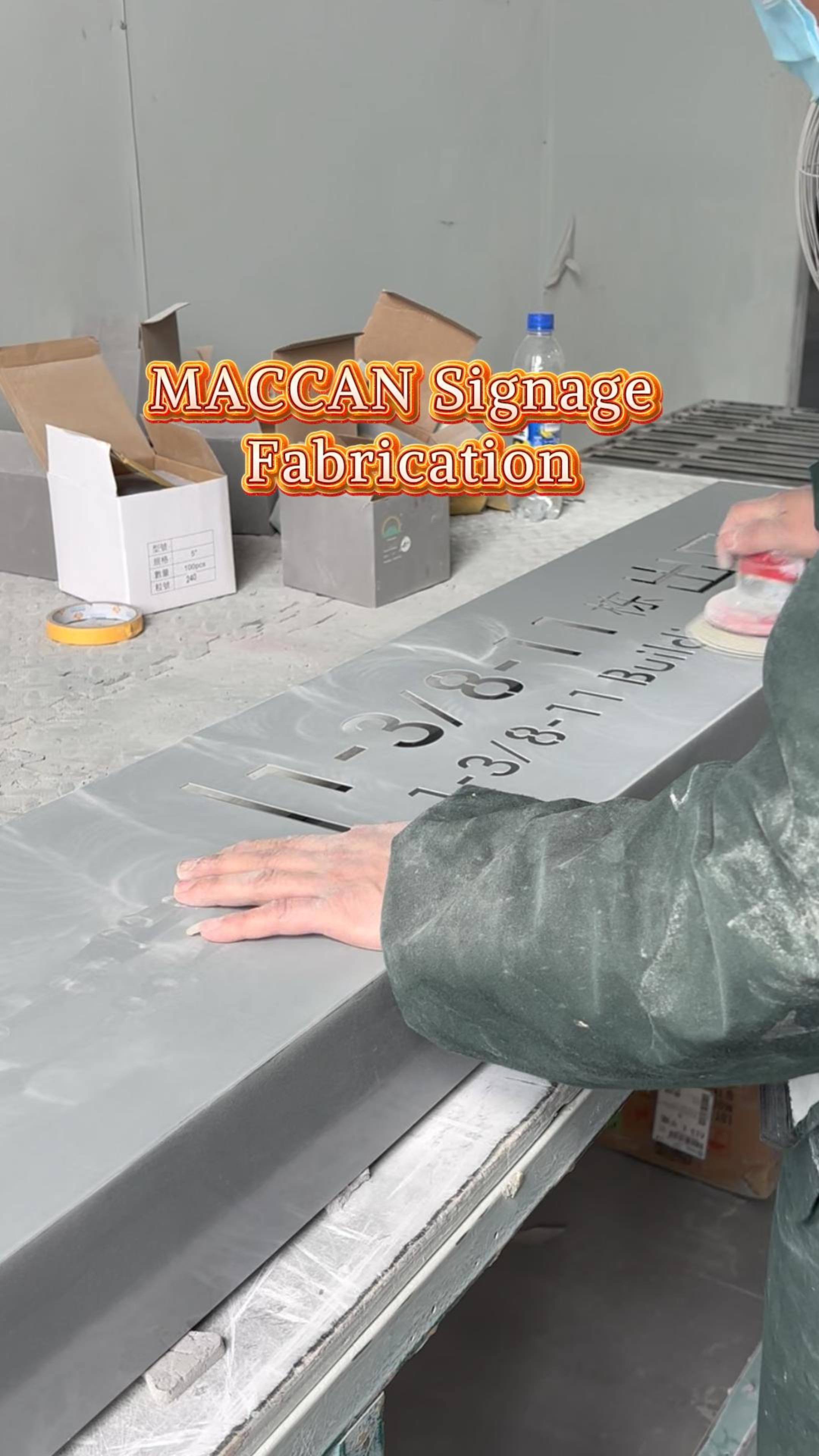
One of the first questions procurement teams should ask is whether the supplier has the equipment and technical capabilities required for the project.
Depending on the signage specifications, manufacturing processes may include:
-
Metal cutting and fabrication
-
Stainless steel and aluminum processing
-
Acrylic cutting and assembly
-
Surface finishing and painting
-
LED illumination and electrical assembly
-
Printing and graphic application
-
Final assembly and packaging
For projects involving multiple signage types, working with a manufacturer capable of coordinating these processes can simplify production management.
Procurement Tip: Ask suppliers to provide actual factory photographs, production videos and examples of previously manufactured signage.
2.2 Engineering and Technical Support
Large signage projects often begin with architectural drawings, signage schedules or preliminary design concepts.
However, design drawings do not always contain all the information required for manufacturing.
A capable architectural signage manufacturer should be able to support technical development, including:
-
CAD production drawings
-
3D visualization
-
Material and thickness recommendations
-
Structural and mounting details
-
Illumination specifications
-
Manufacturing feasibility reviews
These services help identify potential production challenges before manufacturing begins.
For example, an illuminated building sign may require additional consideration of LED placement, power access, mounting structures and maintenance requirements.
Clarifying these details early can reduce costly revisions during production.
2.3 Material Selection and Durability
Different commercial environments require different signage materials.
A hotel lobby may prioritize decorative finishes and visual consistency, while an outdoor transportation facility may require greater weather resistance and structural durability.
Common signage materials include:
| Material | Common Applications | Key Considerations |
|---|---|---|
| Stainless Steel | Building signs, directories, architectural letters | Surface finish, corrosion resistance |
| Aluminum | Directional signs, outdoor signs, sign cabinets | Weight, coating, structural design |
| Acrylic | Room signs, illuminated panels, directories | Thickness, transparency, impact resistance |
| Brass | Premium hotel and interior identification signs | Finish, maintenance, surface protection |
| LED Components | Illuminated letters, lightboxes, architectural signs | Electrical specifications, accessibility, maintenance |
Material selection should consider installation conditions, project budget, appearance, expected service life and maintenance requirements.
For exterior projects, buyers should also clarify the environmental conditions in which the signage will be installed.
2.4 Quality Control and Production Consistency
Large commercial projects may require many different signs manufactured across multiple production batches.
Even small inconsistencies in color, dimensions or surface finishes can affect the appearance of the entire signage system.
Before placing an order, procurement teams should ask manufacturers how they manage:
-
Material inspection
-
Dimensional accuracy
-
Color and finish consistency
-
LED illumination testing
-
Assembly inspection
-
Packaging inspection
-
Final product approval
For projects with complex finishes or strict brand requirements, requesting a physical sample before mass production is often advisable.
2.5 Experience With Similar Commercial Projects
Manufacturing experience should be evaluated in relation to the type of project being developed.
A supplier experienced in small retail signs may not necessarily have the same project coordination capabilities required for a hospital, airport or large shopping mall.
Procurement teams should review completed projects involving similar:
-
Building types
-
Signage quantities
-
Materials and finishes
-
Installation environments
-
Wayfinding requirements
-
Project coordination needs
Real project photographs can help buyers assess manufacturing quality and understand the supplier's practical experience.
However, photographs should be supported by accurate project descriptions rather than unsupported performance claims.
2.6 Export Packaging and International Delivery
For overseas projects, manufacturing is only one part of the procurement process.
Architectural signage may include fragile acrylic components, finished metal surfaces, illuminated assemblies and oversized structures.
Improper packaging can cause damage during international transportation.
Before confirming an order, buyers should discuss:
-
Protective packaging materials
-
Individual product labeling
-
Packing lists
-
Shipping dimensions and weights
-
Transportation arrangements
-
Delivery terms
-
Replacement procedures for damaged components
For large projects, labeling packages according to the signage schedule or installation location can also simplify receiving and installation coordination.
2.7 Communication and After-Sales Support
Clear communication is especially important when sourcing custom signage internationally.
Buyers should confirm who will coordinate drawings, production updates, technical questions and after-sales issues.
Useful questions include:
-
Who will be responsible for project communication?
-
How are drawing revisions managed?
-
What is the sample approval process?
-
How are production updates provided?
-
What warranty terms apply?
-
What installation guidance is available?
-
How are replacement components handled?
A reliable supplier should explain its processes and responsibilities clearly before production begins.
3. What Documents Should You Prepare for a Signage Quotation?
One common challenge in custom signage procurement is receiving quotations that are difficult to compare.
This often happens when suppliers receive incomplete technical information.
For a more accurate quotation, buyers should prepare the following documents whenever available.
| Document | Purpose |
|---|---|
| Signage Schedule / BOQ | Identifies signage types, quantities and item references |
| Design Drawings | Shows dimensions, layouts, graphics and visual requirements |
| Material Specifications | Defines materials, thicknesses and finishes |
| Project Location | Helps assess environmental and delivery requirements |
| Installation Details | Clarifies mounting methods and technical requirements |
| Project Timeline | Establishes required production and delivery milestones |
| Reference Images | Communicates expected appearance and finish quality |
Not every project will have complete documentation at the initial inquiry stage.
If detailed drawings are unavailable, buyers can begin by sharing reference images, approximate dimensions, estimated quantities and project requirements.
A professional manufacturer can then help identify the additional information required for technical review and quotation.
Related Reading: What Information Is Needed for a Custom Signage Quote?
4. Signage Requirements for Different Commercial Projects
Different industries have distinct signage requirements. Choosing a manufacturer with relevant project experience can help procurement teams communicate their expectations more effectively.
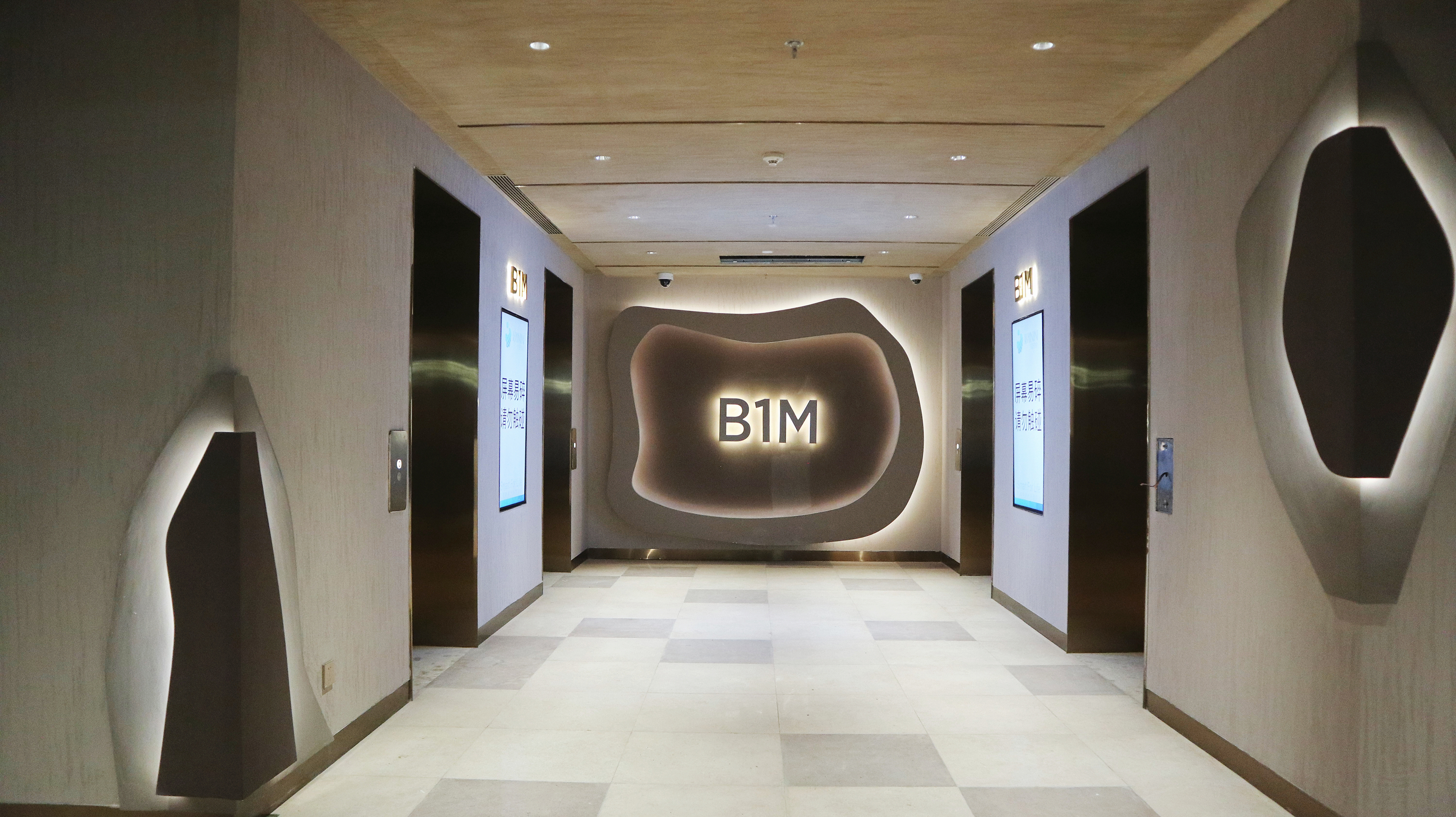
Shopping Malls and Retail Developments
Shopping malls typically require a coordinated combination of directories, directional signs, tenant identification, parking guidance and architectural branding.
Consistency across multiple floors and public areas is particularly important.
Hospitals and Healthcare Facilities
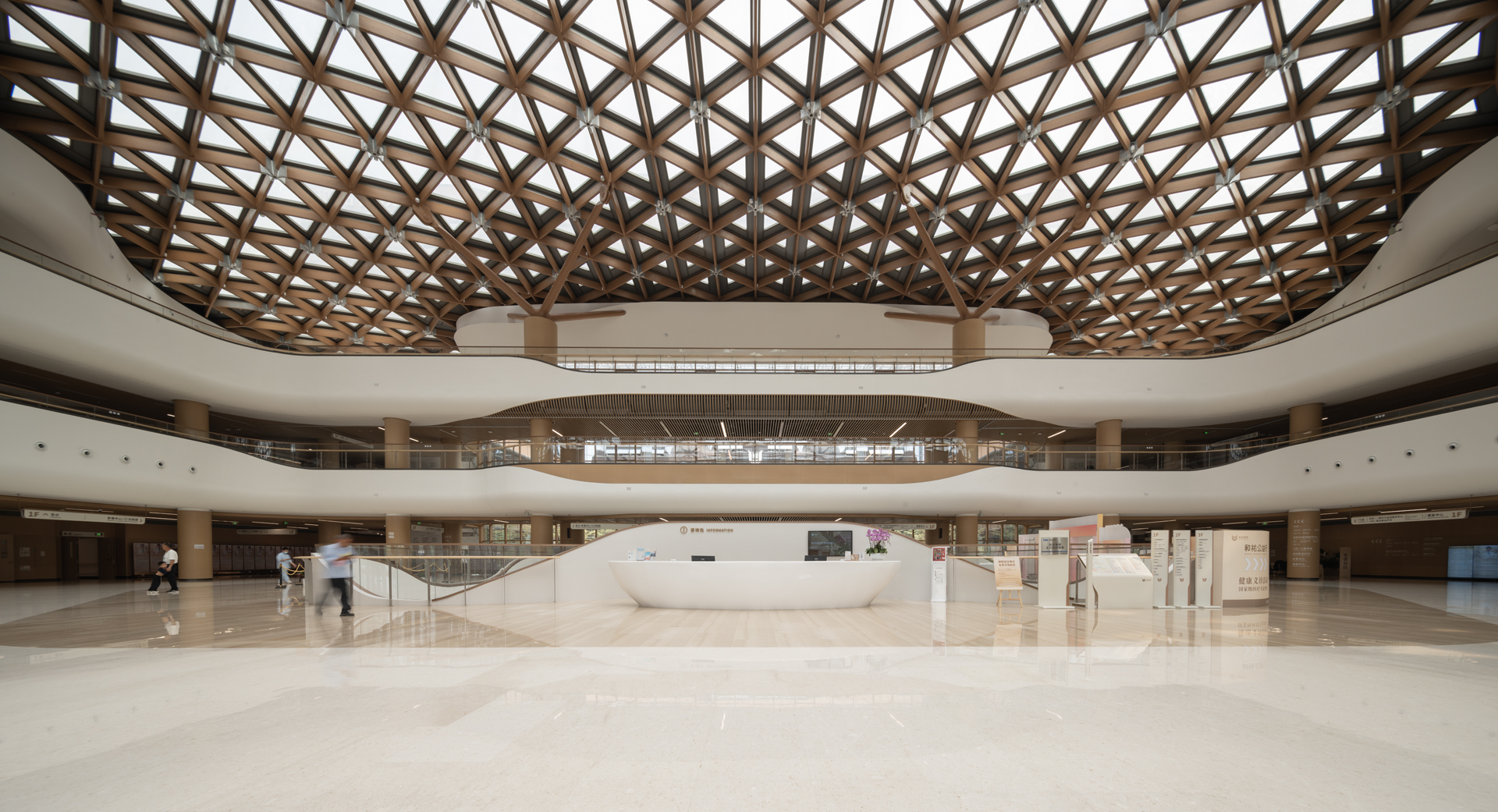
Healthcare environments require clear department identification, directional signage, floor directories and accessibility information.
Wayfinding systems should support patients, visitors and medical staff while remaining consistent with the facility's architectural environment.
Schools and Educational Campuses
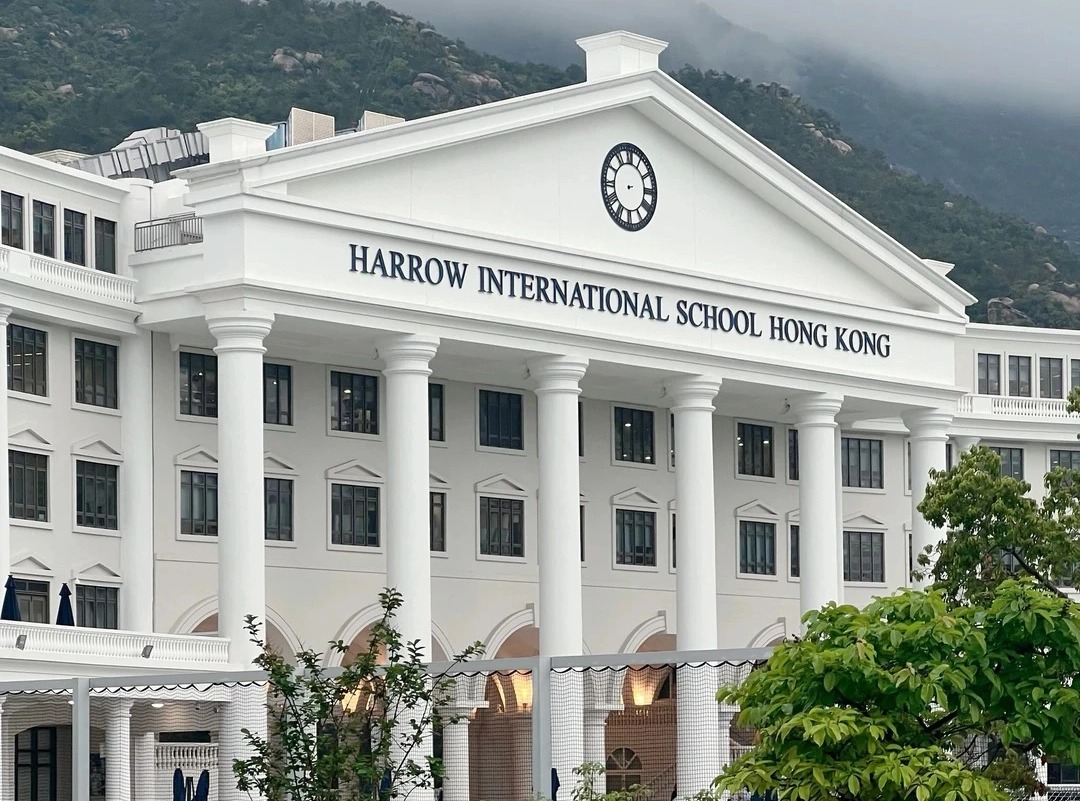
Educational campuses may include multiple academic buildings, administrative facilities, libraries, sports areas and outdoor pathways.
A coordinated campus signage system helps students, staff and visitors identify buildings and navigate between facilities.
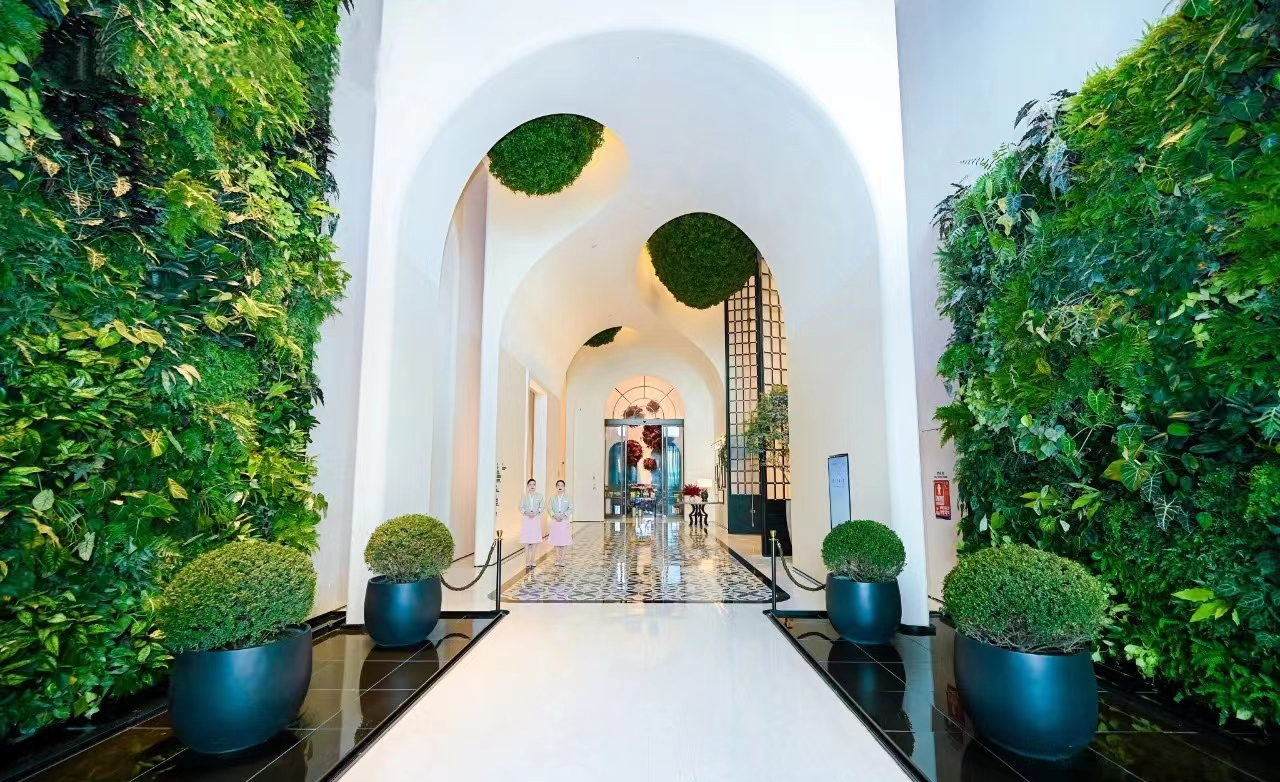
Hotels and Hospitality Projects
Hotel signage must balance functional navigation with the property's architectural style and brand identity.
Typical requirements include entrance identification, lobby directories, guest room signs, floor identification and facility signage.
For hospitality procurement teams, material finishes and visual consistency are particularly important.
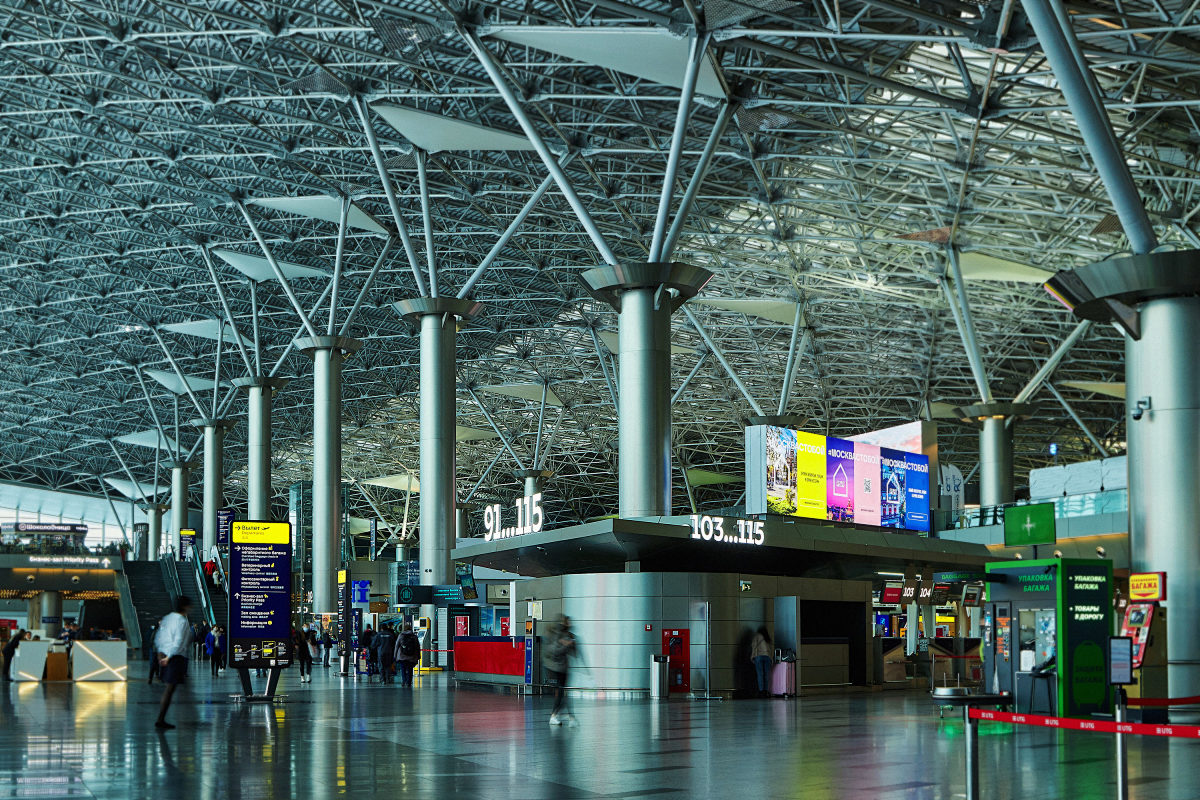
Airports and Transportation Facilities
Airport signage projects involve complex passenger circulation, terminal navigation, gate identification, baggage areas and transportation connections.
Clear information hierarchy, legibility and coordinated directional guidance are essential considerations.
5. Why Consider a Signage Manufacturer in China?
China has an established manufacturing supply chain for metal fabrication, acrylic processing, LED components and architectural signage production.
For international procurement teams, working with a China-based signage manufacturer may offer access to multiple manufacturing processes and customized production capabilities.
However, selecting a supplier should never depend on manufacturing location or quoted price alone.
Buyers should evaluate:
-
Relevant project experience
-
Technical drawing and engineering capabilities
-
Material specifications and sample quality
-
Manufacturing and inspection procedures
-
Export packaging and delivery arrangements
-
Communication and after-sales support
The most suitable supplier is one whose capabilities match the technical, commercial and scheduling requirements of the project.
6. How Maccan Signage Supports Commercial Signage Projects
Maccan Signage is a China-based custom signage manufacturer specializing in architectural signage, commercial signage and complete wayfinding systems.
With our own manufacturing facility, we support customized signage projects from design development and engineering through production, quality inspection, packaging and international delivery.
Our manufacturing capabilities include:
-
Custom architectural signage
-
Interior and exterior wayfinding signs
-
Metal and acrylic signage
-
LED illuminated signage
-
Building identification signs
-
Directories and directional signs
-
Customized signage components
We serve a wide range of commercial environments, including hotels, shopping malls, airports, commercial buildings, healthcare facilities, schools and retail chains.
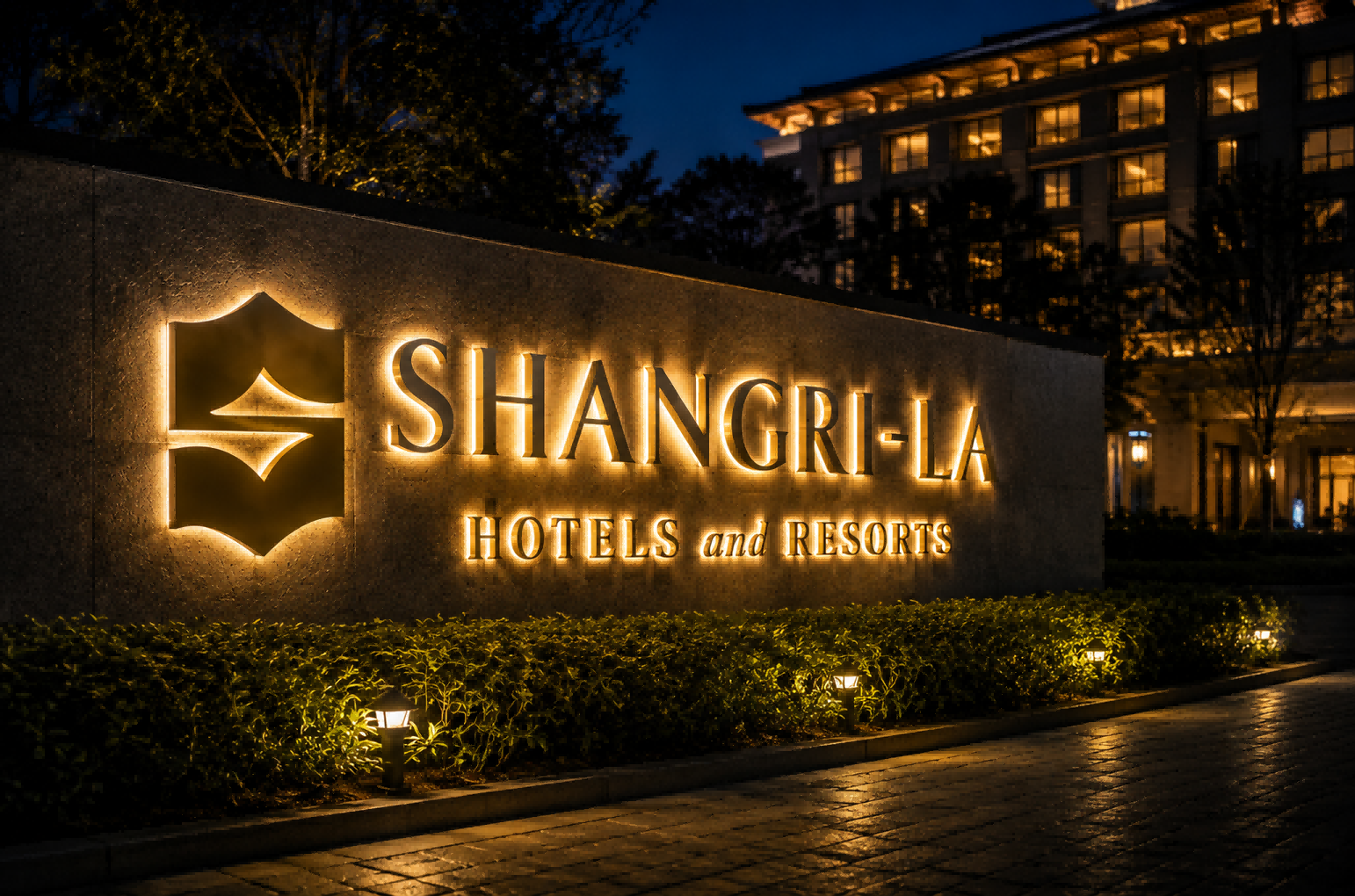
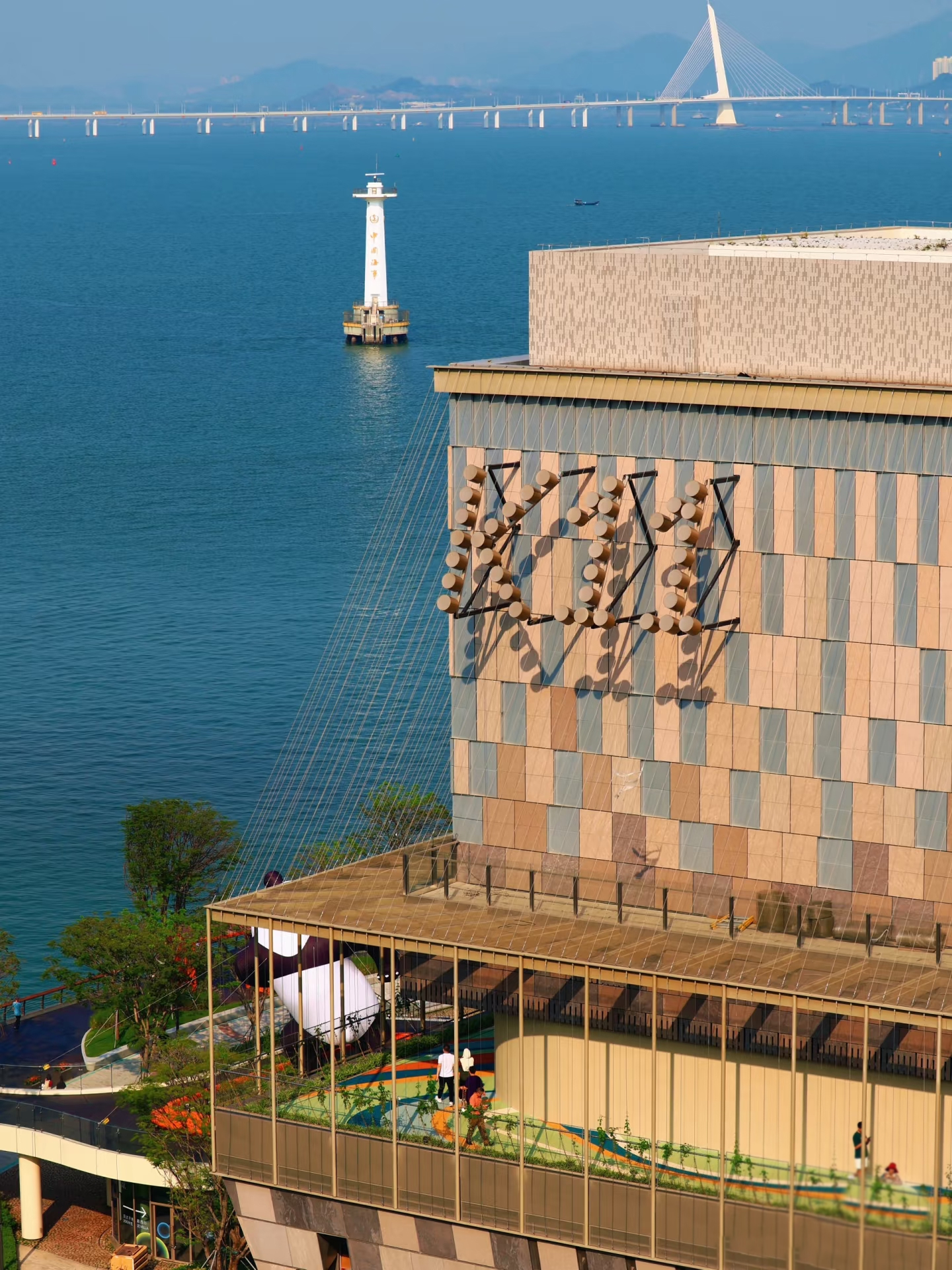
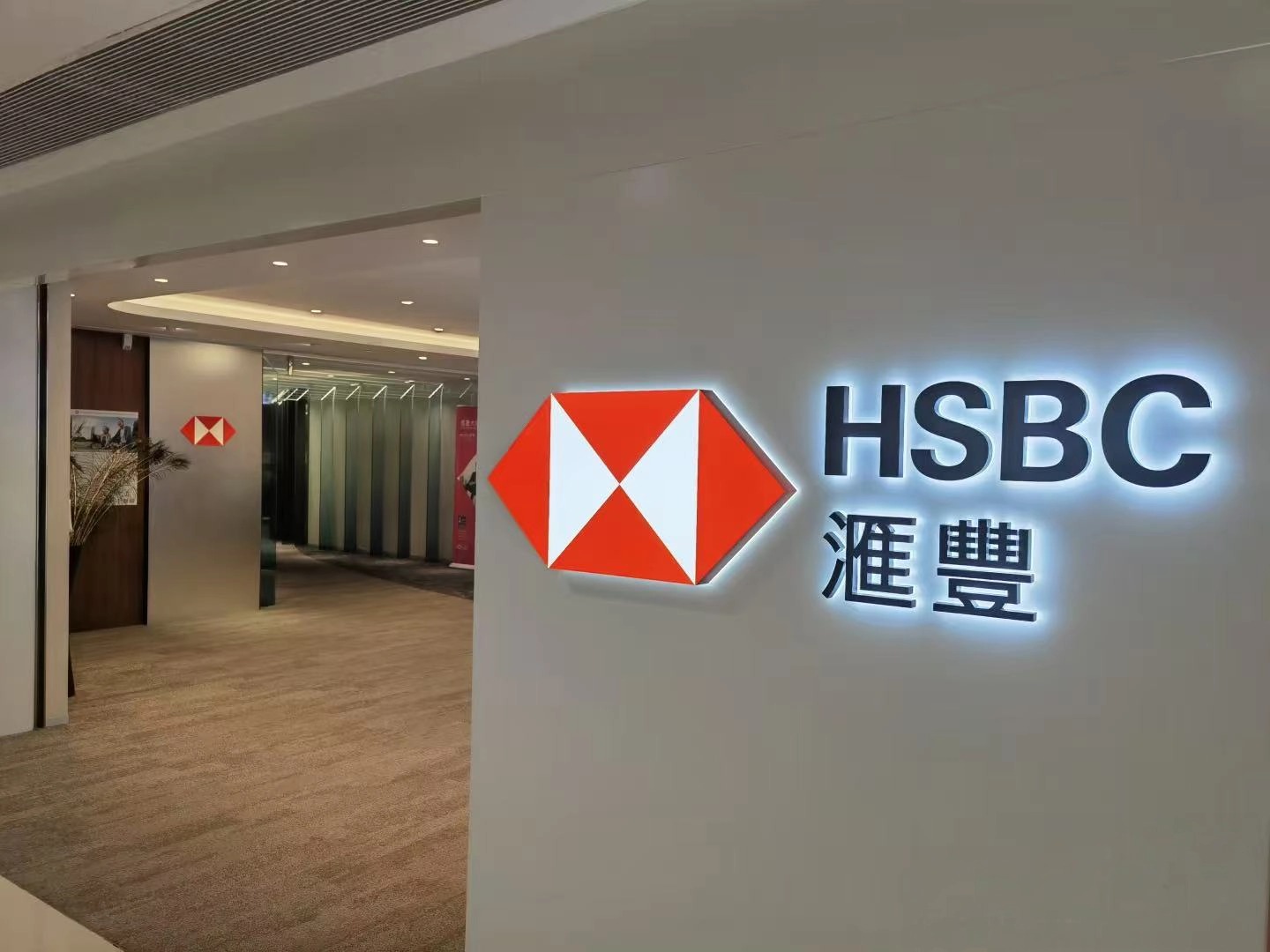
Our project experience includes signage work for Shangri-La Hotel, K11 HACC Art Mall, Heyoo International Medical Center and Harrow International School Hong Kong.
By combining technical development with manufacturing capabilities, we help overseas clients coordinate customized signage production according to project requirements.
Explore Our Manufacturing Capabilities: Maccan Signage Official Website
7. Frequently Asked Questions
Q1: How do I find a reliable custom signage manufacturer in China?
Start by reviewing the manufacturer's actual production capabilities, relevant project experience, technical support and quality control processes. Request factory photographs, project references and sample information before placing a large order.
Q2: What is the difference between a signage manufacturer and a signage supplier?
A signage manufacturer typically performs production activities directly, while a supplier may manufacture products, source them from other factories or coordinate multiple manufacturers. Buyers should verify which production processes are performed in-house and which are outsourced.
Q3: Can a signage manufacturer work from architectural drawings?
Many custom signage manufacturers can work from CAD drawings, signage schedules and design specifications. However, buyers should confirm whether engineering development, shop drawings and mounting details are included in the quotation.
Q4: What affects the price of custom commercial signage?
Pricing depends on factors such as dimensions, materials, finishes, illumination, quantities, structural requirements, production complexity, packaging and delivery terms.
Q5: Should I request samples before mass production?
For projects involving custom finishes, complex structures, illuminated signs or strict brand specifications, sample approval can help verify appearance and manufacturing details before full production.
Q6: Can one manufacturer supply a complete wayfinding signage system?
Yes, provided the manufacturer has the required production capabilities and project coordination experience. Buyers should review the complete signage schedule and confirm which products and processes the manufacturer can support.
Q7: What should I ask before ordering signage from overseas?
Confirm the final specifications, approved drawings, production schedule, payment terms, inspection procedures, shipping arrangements, warranty conditions and installation support responsibilities.
8. Request a Custom Signage Project Quote
Selecting the right signage manufacturer begins with understanding your project's technical and commercial requirements.
Whether you are planning a hotel, shopping mall, hospital, airport, office building or educational campus, working with an experienced manufacturing partner can simplify signage procurement and production coordination.
At Maccan Signage, we welcome inquiries from architects, contractors, developers, signage companies and international procurement teams.
Send us your signage schedule, BOQ, drawings or project requirements to discuss a customized manufacturing solution.
Website: https://www.maccansignage.com
Contact: https://www.maccansignage.com/en/contact-us.html
Email: info@maccansignage.com
WhatsApp: +852 6959 3497
Hotel Signage Manufacturer vs. Trading Company: How to Verify a Factory Before Ordering
Related Article