What Types of Signage Are Used in Shopping Malls?
What Types of Signage Are Used in Shopping Malls?
A shopping mall is a complex environment with multiple entrances, retail stores, restaurants, parking areas, elevators, escalators and public facilities. Without a clear signage system, visitors can easily become confused or have difficulty finding their destinations.
A well-planned shopping mall signage system helps people navigate the space efficiently while supporting the overall design and brand identity of the property.
Depending on the layout and requirements of the project, a shopping mall may use several different types of signage.
1. Entrance and Identification Signage
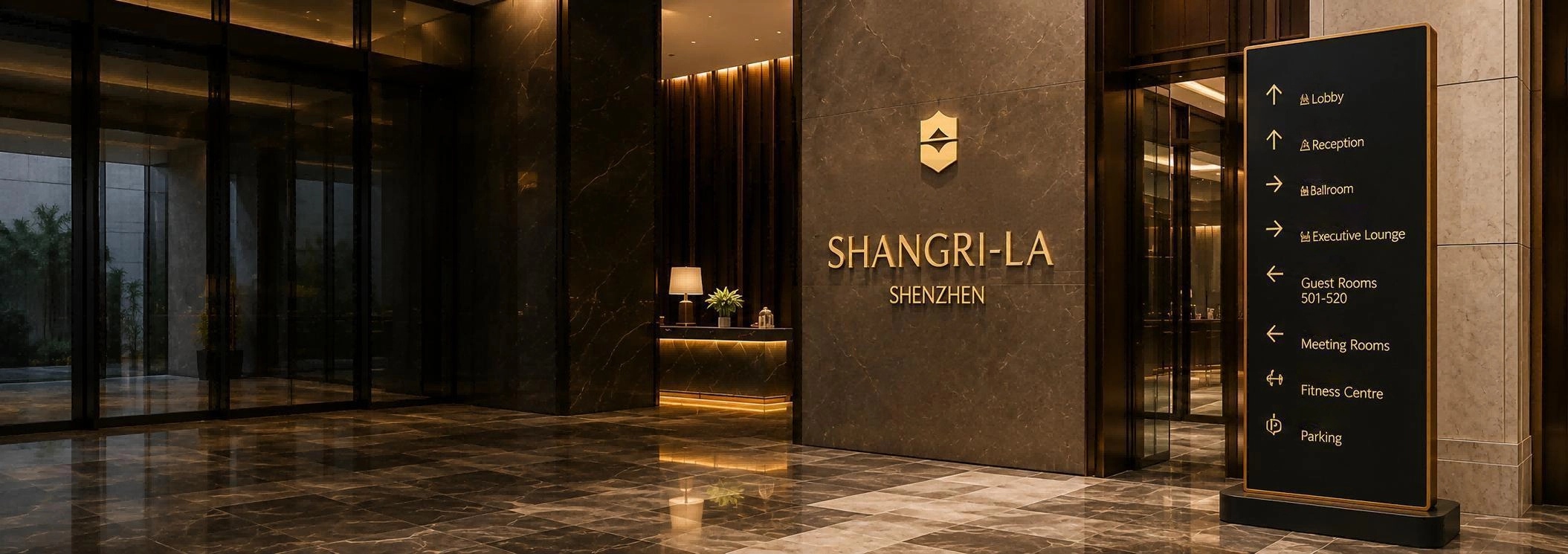
Entrance signage is usually the first point of contact between a visitor and the shopping mall.
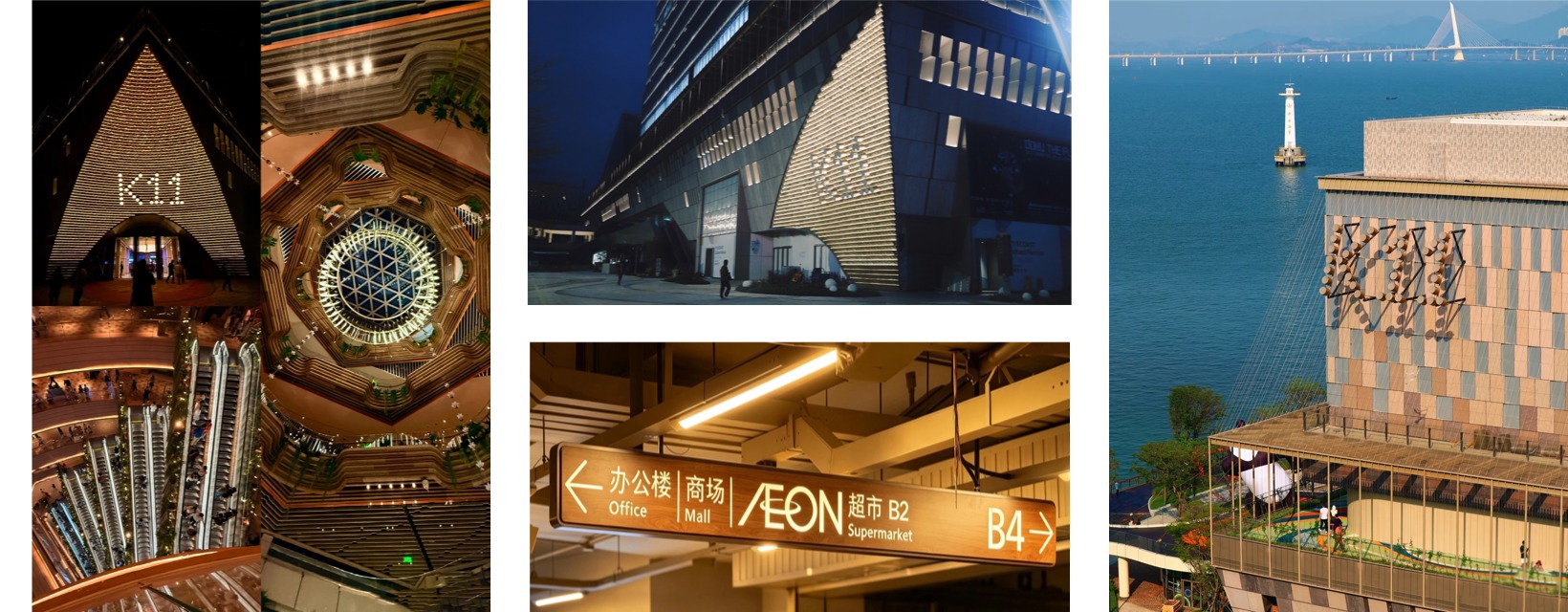
Large identification signs help visitors recognize the destination and can also strengthen the property's visual identity.
These signs may be located at main entrances, building facades, parking entrances and other key access points.
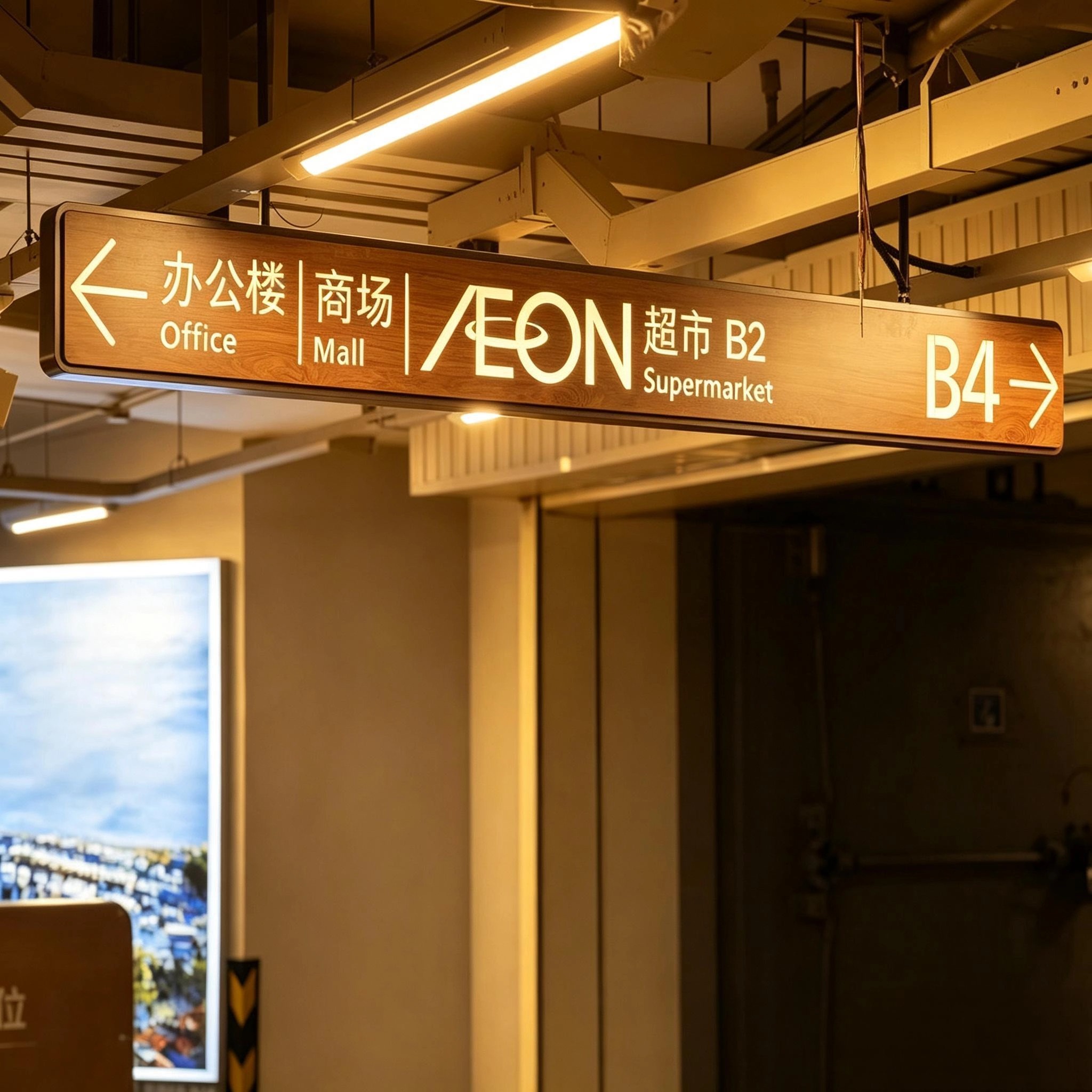
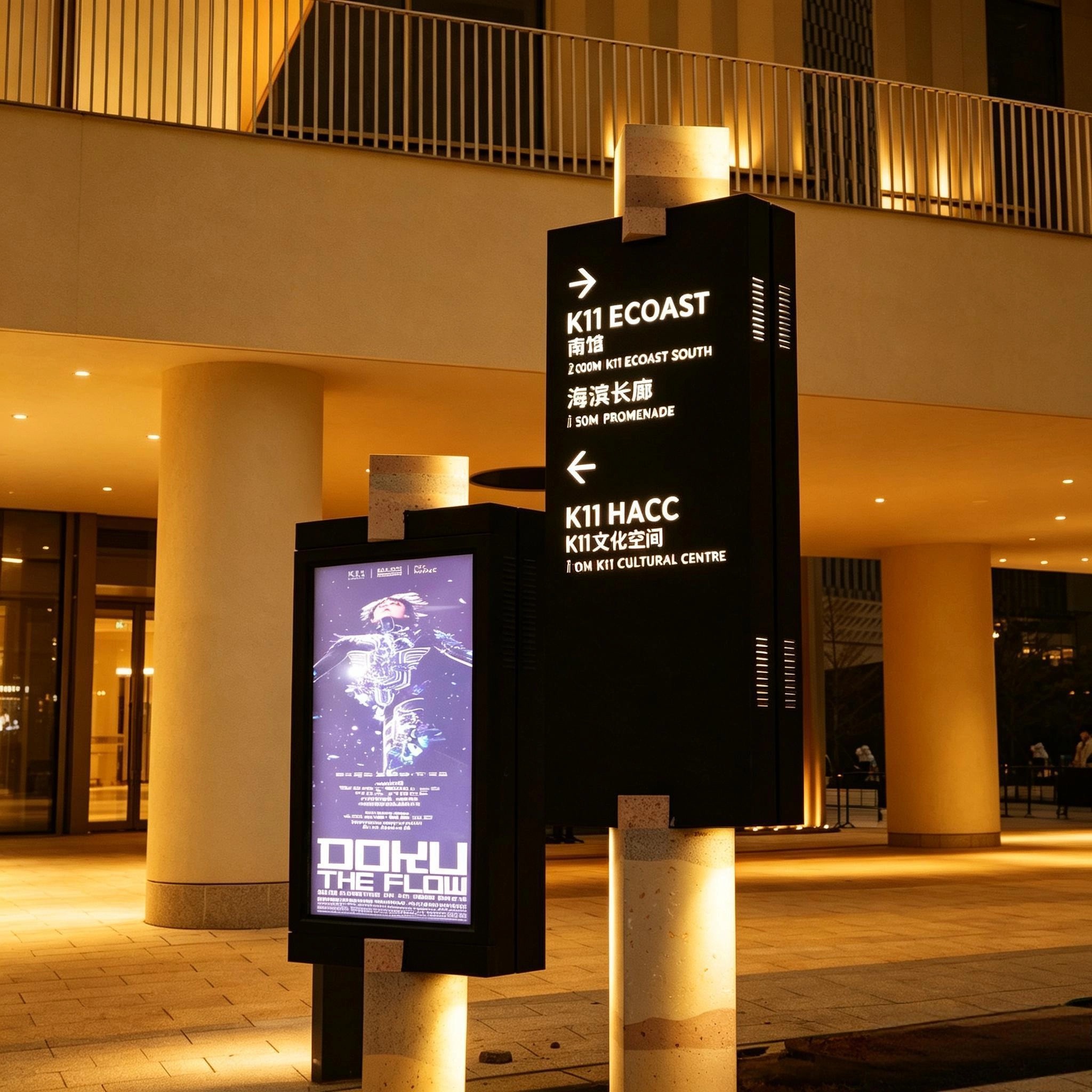
2. Directional Wayfinding Signs
Directional signs help visitors understand where they need to go.
They may provide directions to:
- Retail stores
- Restaurants
- Restrooms
- Elevators
- Escalators
- Parking areas
- Exits
- Service facilities
Clear arrows, typography and icons are essential for making directional signage easy to understand at a glance.
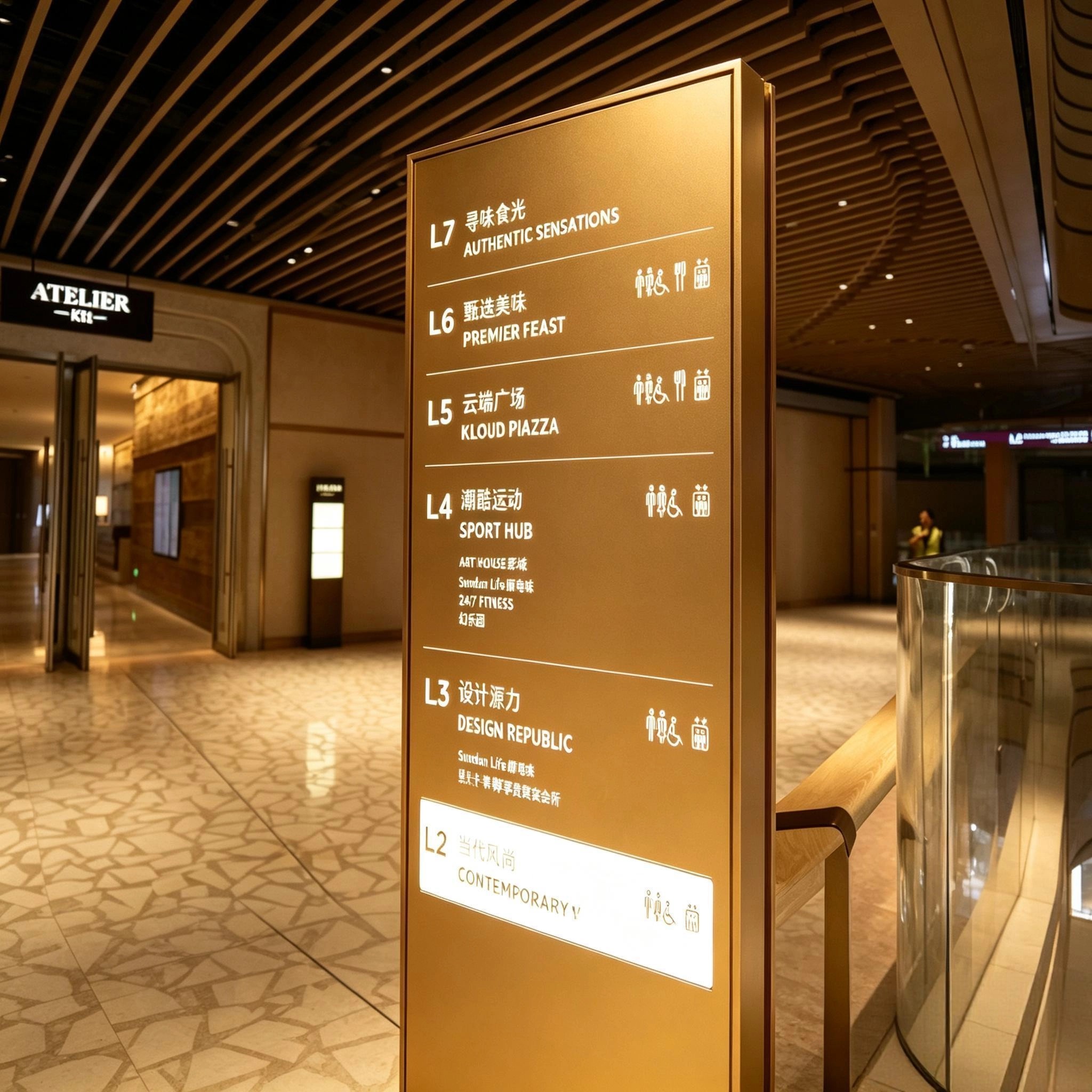
3. Directory and Information Signs
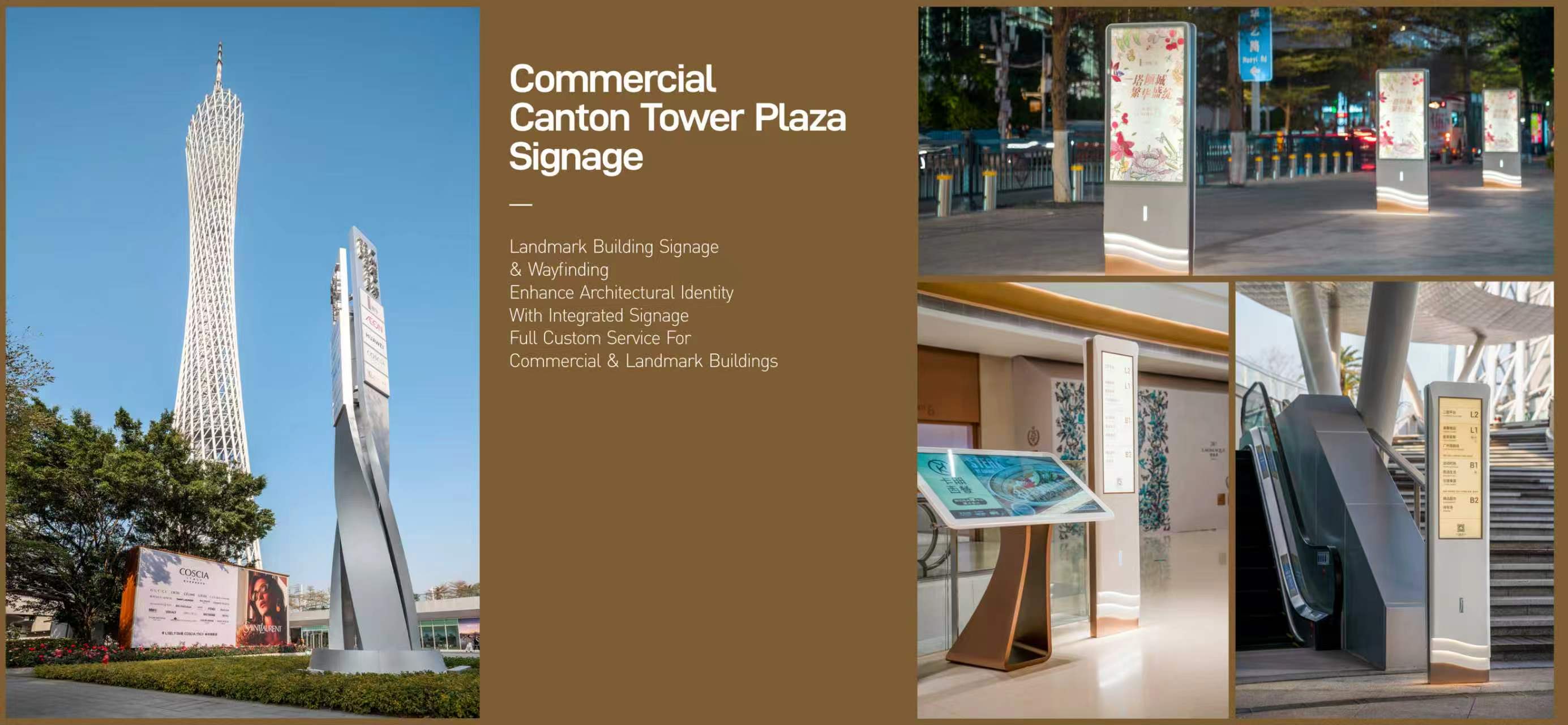
Directory signs provide an overview of the shopping mall and help visitors locate stores, facilities and different areas.
They are commonly placed in:
- Main lobbies
- Atriums
- Elevator areas
- Major intersections
- Floor transition points
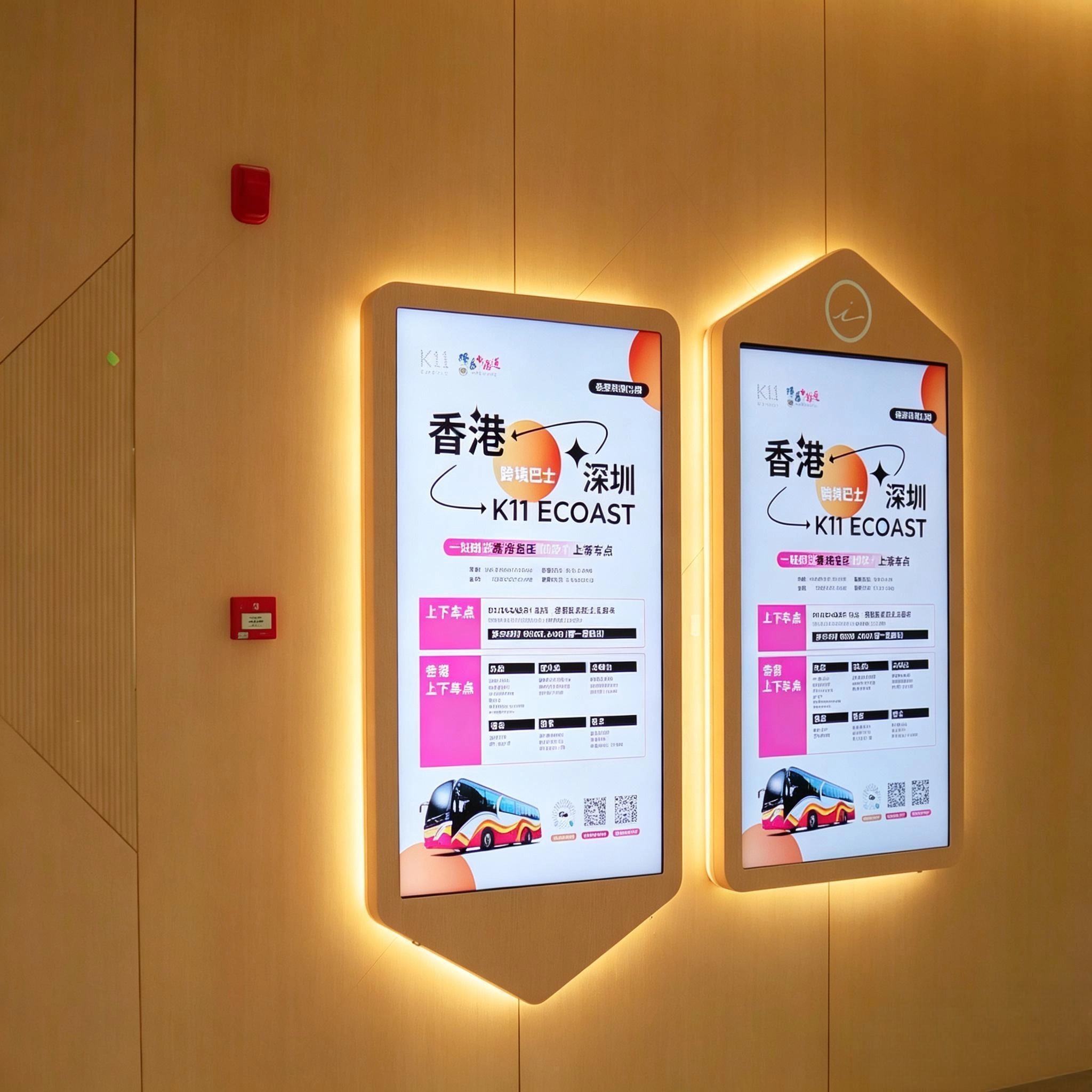
Digital directories can also be integrated with traditional signage systems depending on the project requirements.
4. Parking Signage
Parking signage is an important part of the overall wayfinding system.
Visitors need clear information about parking entrances, exits, parking zones, levels, ramps and pedestrian access.
Color coding, symbols and clear floor identification can help drivers and pedestrians navigate complex parking environments more easily.
5. Store and Tenant Identification
Store identification signs help visitors recognize individual retail units and commercial spaces.
These signs need to balance visibility with the overall architectural and interior design of the mall.
For retail environments, materials, finishes, typography and lighting may also be adapted to match the tenant's brand identity.
6. Facility and Amenity Signage
Shopping malls often include a variety of public facilities and amenities, such as:
- Restrooms
- Baby care rooms
- Information desks
- Customer service
- Escalators and elevators
- Dining areas
- Accessible facilities
Clear facility identification helps visitors quickly locate the services they need.
7. Regulatory and Safety Signage
Regulatory and safety signage provides important information for visitors and staff.
Depending on the project, this may include:
- No-entry signs
- Fire safety signs
- Emergency exit signs
- Restricted access signs
- Accessibility signage
- Traffic and parking regulations
These signs should be clear, standardized and positioned according to the requirements of the environment.
Creating a Consistent Shopping Mall Signage System
A shopping mall signage system should not be designed as a collection of individual signs.
Instead, all sign types should work together through a consistent visual and information system.
Typography, icons, colors, materials, mounting methods and information hierarchy should be carefully coordinated across the entire property.
For large shopping mall projects, signage planning should ideally begin during the architectural and interior design stages. Early coordination can help ensure that signage locations, dimensions, structures and installation requirements are considered before production.
At Maccan Signage, we provide custom signage and wayfinding solutions for shopping malls, retail environments and commercial projects.
Our services cover:
Design → Engineering → Manufacturing → Quality Control → Packing → Installation Support
We work with project owners, architects, designers, contractors and retail brands to develop signage systems tailored to the requirements of each project.
Final Thoughts
A successful shopping mall signage system should make navigation easier, improve the visitor experience and integrate naturally with the overall architectural environment.
From entrance identification and directional wayfinding to directories, parking, retail and safety signage, each element plays an important role in creating a clear and consistent visitor journey.
Planning a shopping mall signage project?
Contact Maccan Signage to discuss your requirements.
Website: //www.maccansignage.com
Email: info@maccansignage.com
WhatsApp: +852 6959 3497

5 Key Factors to Consider When Planning a Hotel Wayfinding System
Related Article