Retail Storefront Signage: From Manufacturing to Installation
Retail Storefront Signage: From Manufacturing to Installation
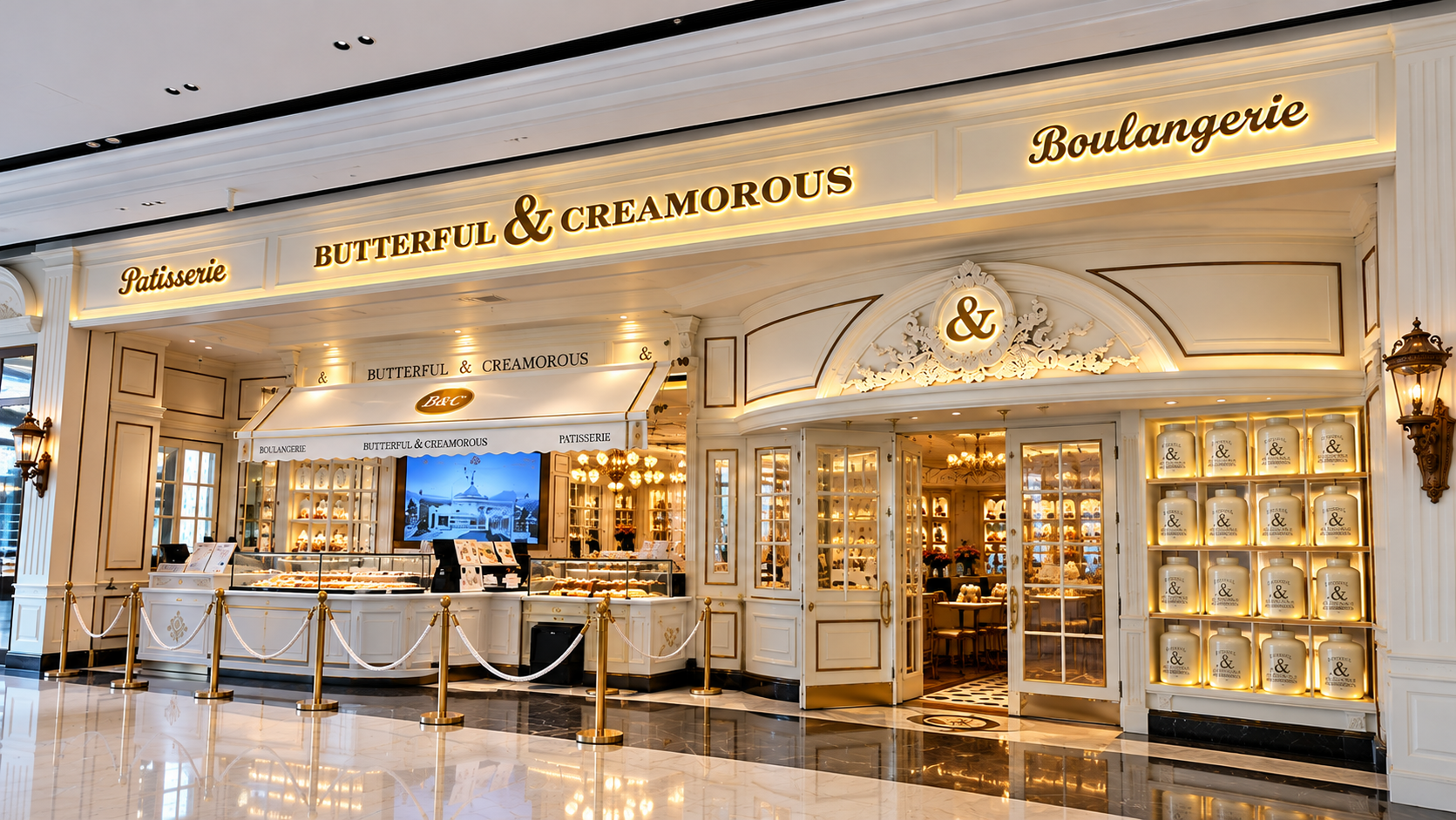
A well-designed storefront sign does more than display a business name. It helps establish brand identity, attract attention and create a recognizable presence within a commercial environment.
For retail stores, bakeries, restaurants and other customer-facing businesses, storefront signage is often one of the first visual elements visitors notice.
However, achieving a refined signage appearance requires more than an attractive design. Material selection, lettering fabrication, illumination, mounting structures and installation conditions all influence the final result.
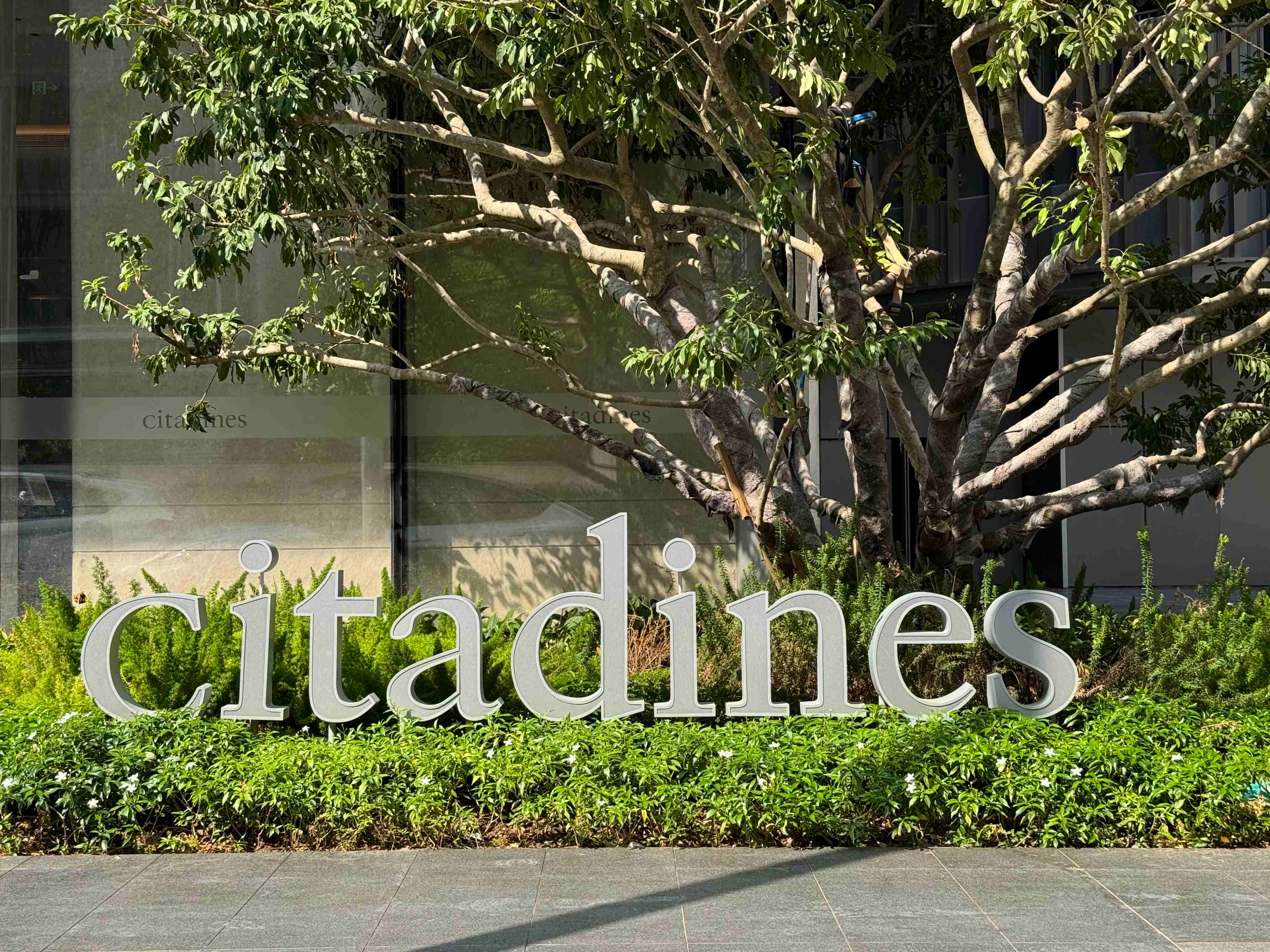
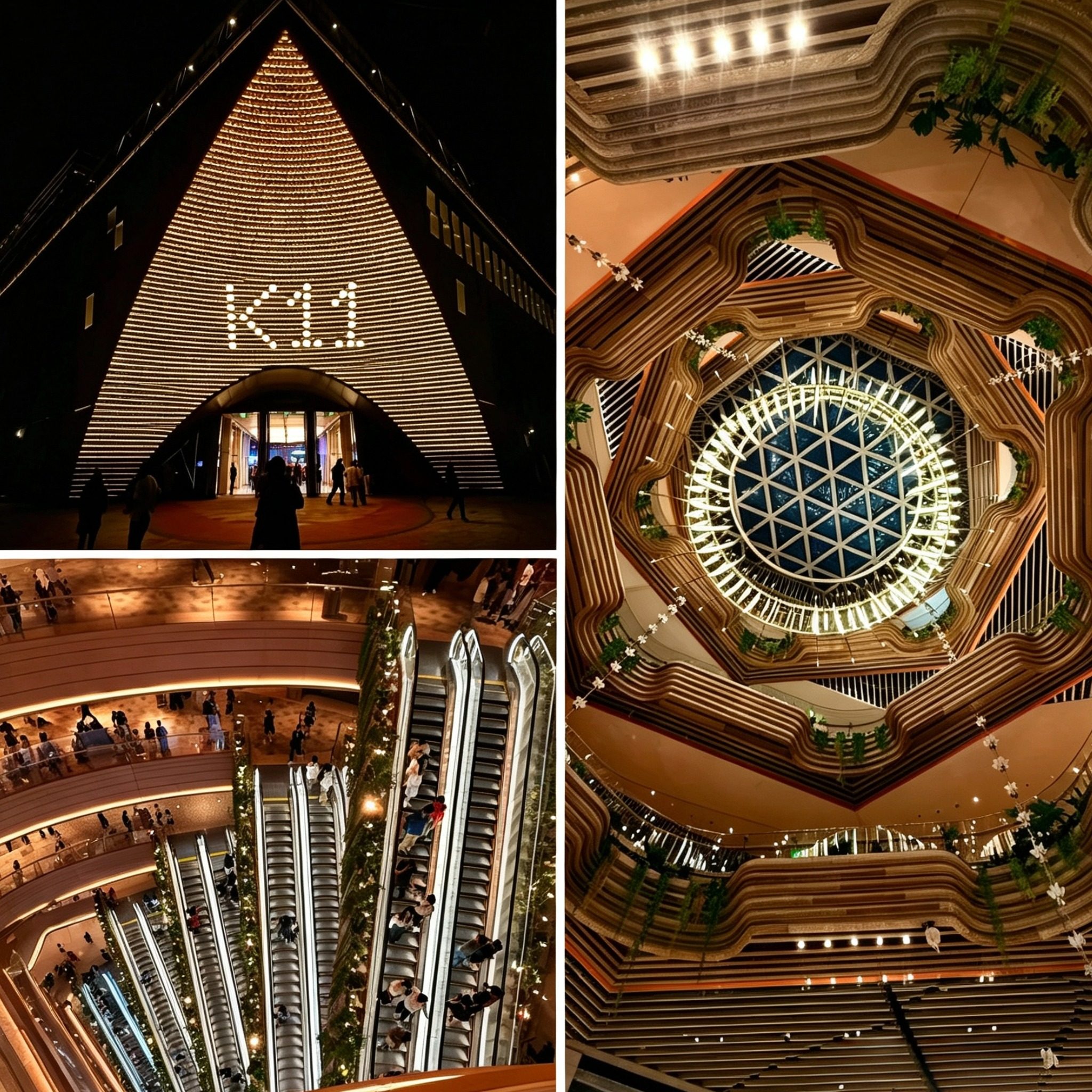
In this article, we explore the key considerations involved in retail storefront signage, from custom manufacturing to on-site installation, using commercial signage applications as visual examples.
1. Creating a Distinctive Storefront Identity
Storefront signage plays an important role in communicating a brand's visual identity.
The proportions of the lettering, typography, colors, materials and lighting effects should work together with the surrounding architecture.
For example, dimensional lettering can add depth and visual interest to a storefront, while carefully selected illumination can improve visibility and create a more distinctive appearance.
In commercial environments with multiple stores, clear and recognizable signage also helps customers identify individual businesses.
When developing a storefront signage solution, several factors should be considered:
-
Brand logo and typography
-
Lettering size and proportions
-
Storefront dimensions
-
Material and surface finish
-
Illumination requirements
-
Surrounding architectural style
The objective is to create signage that reflects the brand while integrating naturally with the commercial space.
For projects involving multiple retail locations, maintaining consistent visual standards is also an important part of a brand signage rollout.
2. Selecting Materials and Manufacturing Methods
Material selection is an important step in custom storefront signage manufacturing.
Different materials offer different visual characteristics, fabrication possibilities and maintenance requirements.
Common options include:
-
Stainless Steel: Suitable for fabricated dimensional letters and decorative metal finishes.
-
Aluminum: A lightweight material that can be used for various lettering and sign structures.
-
Acrylic: Often used for illuminated lettering faces and decorative sign components.
-
LED Lighting: Used to create front-lit, backlit or other illuminated signage effects.
Depending on the design, manufacturing may involve cutting, bending, welding, polishing, painting and assembly.
For illuminated signs, the relationship between the letter structure, lighting components and mounting surface should also be considered.
Choosing suitable materials and processes helps balance the intended appearance with practical production and installation requirements.
3. Coordinating Storefront Signage Installation
Even a carefully manufactured sign requires appropriate installation planning.
Storefront conditions can vary depending on the building structure, wall material, available mounting space and electrical arrangements.
Before installation, project teams should review:
-
Approved signage dimensions and positioning
-
Mounting surface conditions
-
Fixing methods and structural requirements
-
Electrical connections, where applicable
-
Alignment and spacing between letters
-
Site safety and access requirements
For dimensional lettering, accurate positioning is especially important to achieve the intended appearance.
Installation drawings, templates and clear communication between manufacturers and on-site teams can help support accurate placement.
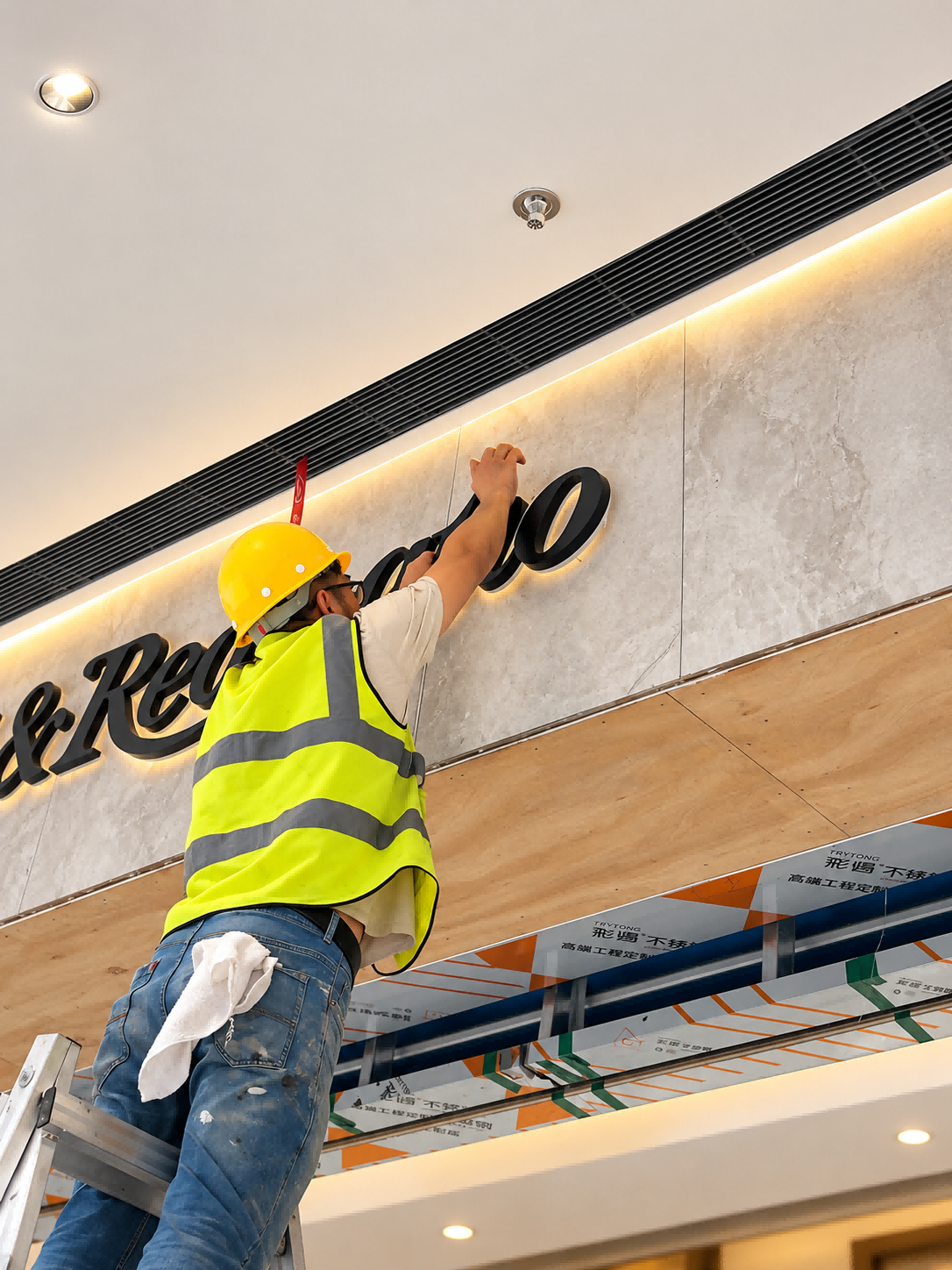
4. The Role of Illumination in Storefront Signage
Illumination can significantly influence the appearance of storefront signage.
Depending on the design and installation environment, illuminated letters may use different lighting methods to achieve the desired visual effect.
Common approaches include front illumination, halo illumination and combinations of illuminated lettering with architectural accent lighting.
When planning illuminated storefront signage, important considerations include:
-
Brightness and visibility
-
Light color and consistency
-
Letter depth and construction
-
Power supply and wiring arrangements
-
Maintenance accessibility
-
Integration with surrounding architectural lighting
A balanced lighting solution should enhance the brand identity without overwhelming the storefront design.
For premium retail environments, carefully coordinated lighting and material finishes can help create a refined and welcoming appearance.
Explore our Brand & Retail Chain Stores solutions to learn more about custom signage applications for retail environments.
5. Quality Considerations for Custom Storefront Signs
The final appearance of storefront signage depends on both manufacturing quality and installation accuracy.
Important quality considerations include:
-
Consistent letter dimensions and proportions
-
Clean edges and surface finishes
-
Accurate color matching
-
Reliable structural assembly
-
Consistent illumination, where applicable
-
Proper packaging and handling before installation
Approved drawings and material samples can provide useful references during manufacturing.
For projects involving multiple signage components, clear product identification and inspection procedures can also help reduce errors during delivery and installation.
Attention to these details contributes to a more consistent and professional finished appearance.
Quality management principles, such as those outlined in ISO 9001, provide a useful reference for establishing consistent production and inspection processes.
6. Working With a Custom Signage Manufacturer
A successful storefront signage project requires coordination between visual design, technical specifications, manufacturing and installation requirements.
At Maccan Signage, we provide custom signage manufacturing solutions for commercial and retail applications.
Our capabilities include metal fabrication, acrylic processing, illuminated signage manufacturing, surface finishing and custom assembly.
We also support project requirements through technical drawing development, material sampling, manufacturing coordination and installation guidance.
By considering both the visual design and practical production requirements, businesses can make more informed decisions when planning custom storefront signage.
Learn more about our custom signage manufacturing solutions for commercial projects.
Planning a Retail Storefront Signage Project?
Whether you are preparing signage for a new retail store, updating an existing storefront or developing custom illuminated lettering, choosing suitable materials and manufacturing methods is an important starting point.
Maccan Signage provides custom signage manufacturing support for retail stores, restaurants, shopping malls and other commercial environments.
Share your design drawings, reference images, signage dimensions or project requirements with our team to discuss suitable manufacturing solutions.
Website: https://www.maccansignage.com
WhatsApp: +852 6959 3497
Email: info@maccansignage.com
Commercial Building Signage: How to Plan an Effective Wayfinding System
Hotel Signage System: 7 Essential Sign Types for a Better Guest Experience
Related Article