How to Choose a Shopping Mall Signage Manufacturer for Your Project
How to Choose a Shopping Mall Signage Manufacturer for Your Project
Shopping malls are complex commercial spaces where visitors rely on clear and consistent signage to navigate entrances, retail stores, parking facilities, elevators, and public areas.
For developers, contractors, and procurement teams, selecting the right shopping mall signage manufacturer involves more than comparing prices. Manufacturing capabilities, material selection, technical coordination, and product consistency can all influence the final result.
This guide outlines five important factors to consider when sourcing custom signage for a shopping mall project.
1. Experience with Commercial Wayfinding Systems
A shopping mall requires different types of signage to support visitor navigation and property operations.
Typical applications include:
-
Entrance and building identification signs
-
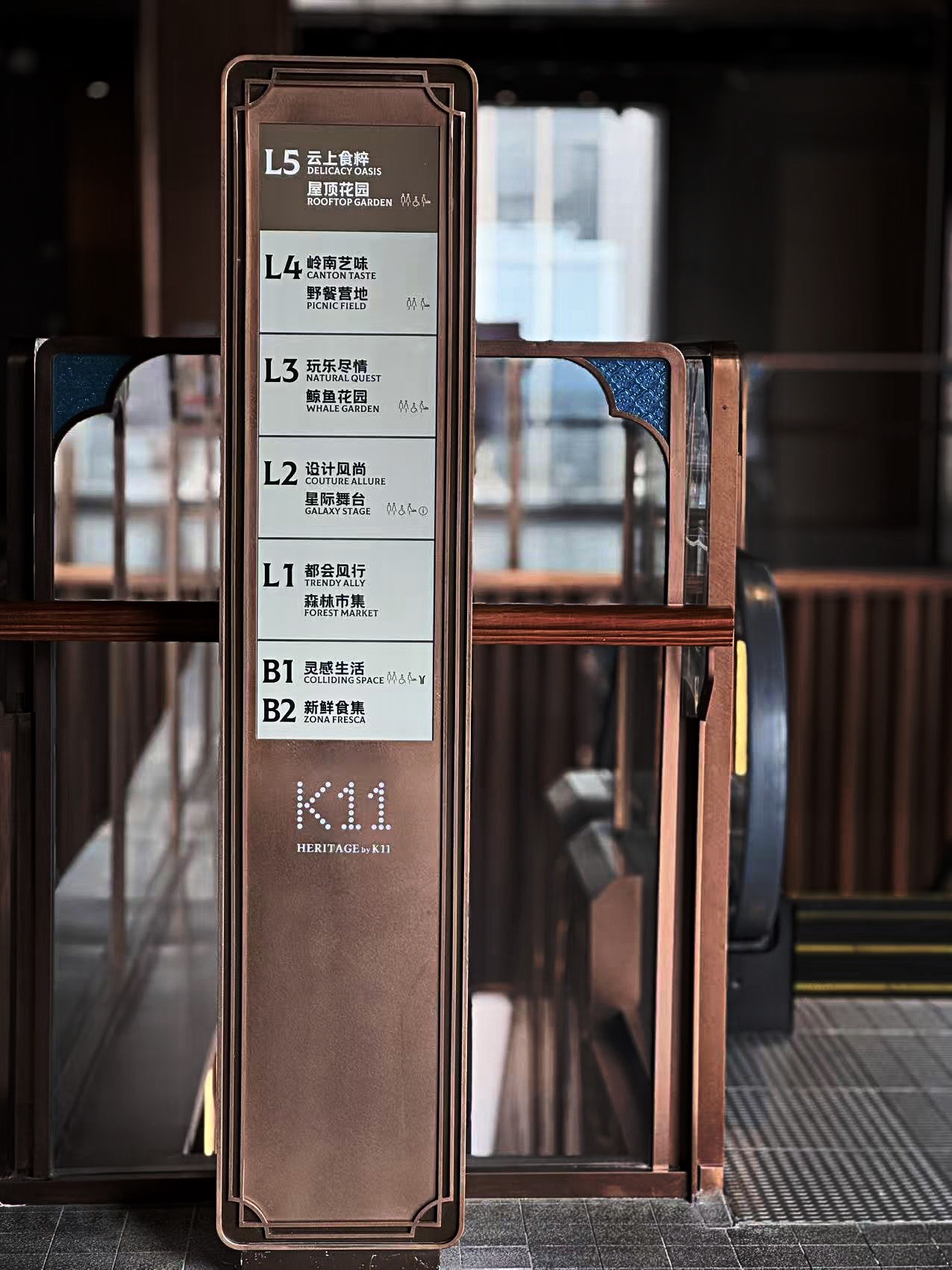
Floor directories and tenant information boards
-
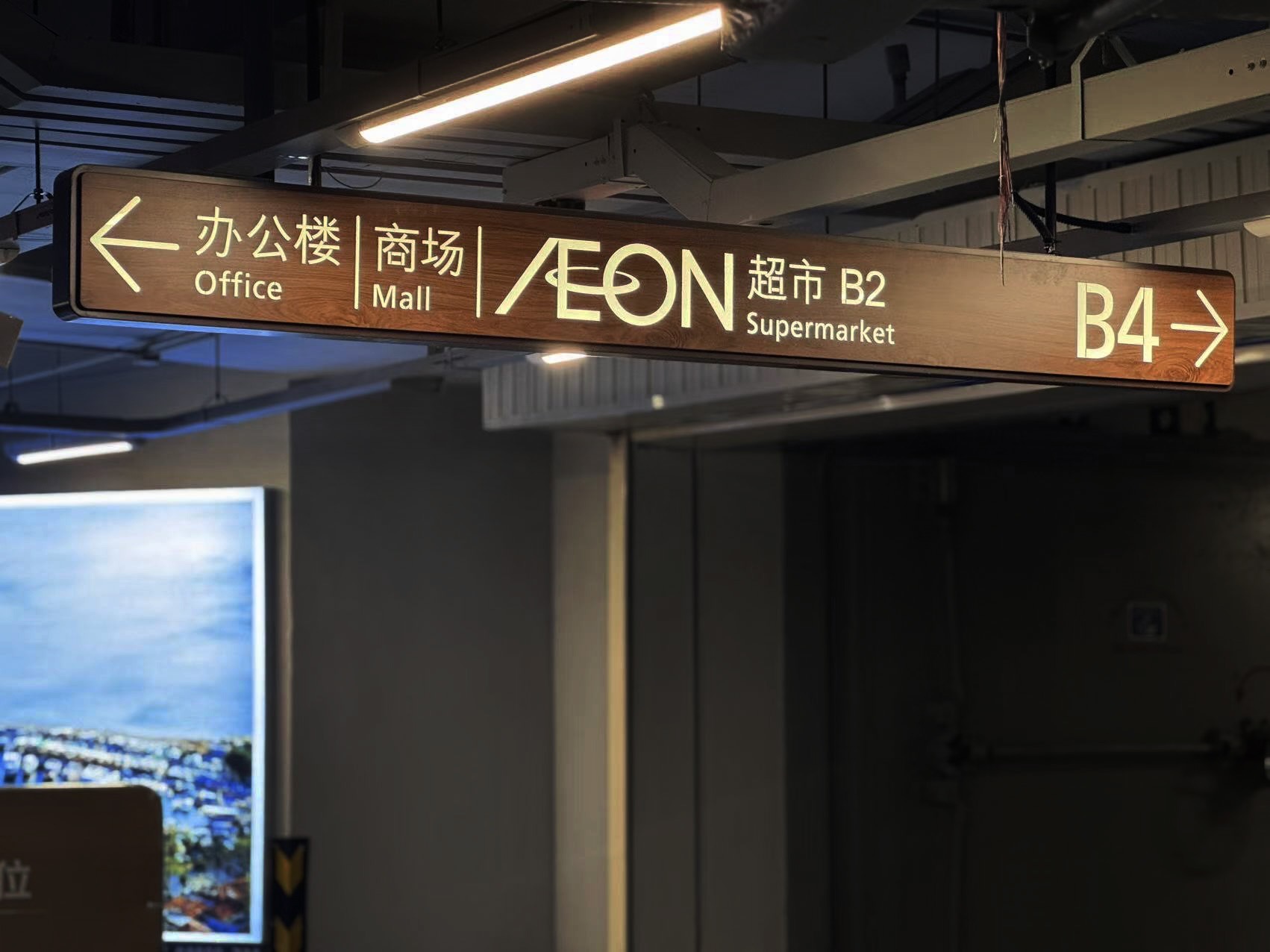
Suspended directional signs
-
Parking and vehicle guidance signs
-
Restroom, elevator, and facility identification
-
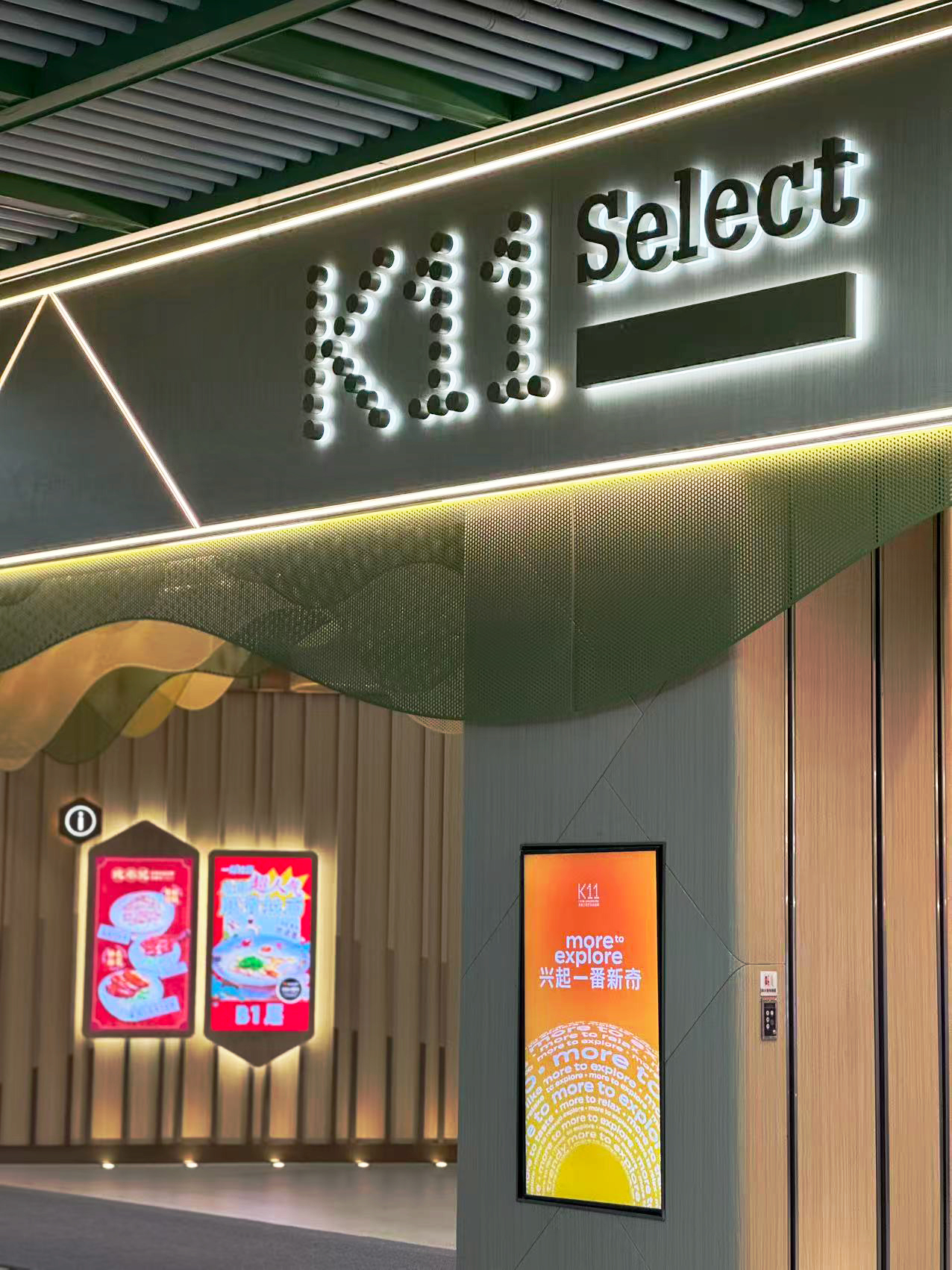
Illuminated branding and architectural signs
These elements must work together as part of a coordinated wayfinding system.
When evaluating a manufacturer, review examples of completed commercial signage work and assess whether the supplier understands the production requirements of different sign types.
For more information about mall navigation and signage planning, explore our Shopping Mall Signage & Wayfinding Guide.
2. Materials and Custom Manufacturing Capabilities
Material selection affects the appearance, durability, maintenance requirements, and cost of a signage project.
Common materials used in shopping mall signage include:
-
Stainless steel: Suitable for durable architectural signs and refined surface finishes.
-
Aluminum: A versatile option for lightweight sign structures and fabricated components.
-
Acrylic: Frequently used for illuminated letters, sign faces, and decorative elements.
-
LED components: Used in illuminated identification signs and branded displays.
Manufacturing methods may involve metal cutting, bending, welding, surface finishing, acrylic processing, and lighting assembly.
A reliable manufacturer should be able to assess drawings, materials, dimensions, and installation conditions before confirming the production approach.
3. Customization and Technical Coordination
Every shopping mall has different architectural features, branding requirements, and signage specifications.
For this reason, custom signage projects often require communication between the client, designer, contractor, and manufacturer.
Before selecting a supplier, confirm whether the manufacturer can assist with:
-
Custom dimensions and production specifications
-
CAD drawings and manufacturing details
-
Material and finish recommendations
-
Prototype or sample development
-
Production coordination and installation guidance
Clear technical communication helps ensure that the manufactured signs match the approved project requirements.
4. Quality Control and Production Consistency
Shopping mall signage projects may involve many signs with different dimensions and functions.
Maintaining consistency across these products is important, particularly for typography, colors, finishes, illumination, and mounting details.
Procurement teams should discuss the manufacturer's quality inspection process, sample approval requirements, and packaging arrangements before placing a bulk order.
Where relevant, documented quality management practices can also help buyers evaluate a supplier's production procedures. The ISO 9001 quality management standard provides a widely recognized reference for quality management systems.
5. Prepare Clear Requirements for an Accurate Quotation
A detailed project brief helps manufacturers understand the scope of work and prepare a more relevant quotation.
Before requesting pricing, try to provide:
-
Signage drawings or a sign schedule
-
Estimated quantities and dimensions
-
Preferred materials and surface finishes
-
Illumination requirements, where applicable
-
Project location and delivery requirements
-
Expected production schedule
If complete drawings are not yet available, preliminary dimensions, reference images, and estimated quantities can still support an initial discussion.
For larger commercial projects, sharing the full signage schedule can help the manufacturer evaluate production methods and quantities more efficiently.
Custom Shopping Mall Signage Manufacturing with Maccan Signage
Maccan Signage provides custom architectural signage and wayfinding manufacturing for commercial projects, including shopping malls, hotels, office buildings, healthcare facilities, and other built environments.
Our manufacturing capabilities include metal and acrylic fabrication, illuminated letters, directional signage, directory signs, and other project-specific signage components.
We work with project drawings and specifications to support customized production requirements.
To explore more applications, visit our Shopping Mall & Retail Solutions page.
Planning a Shopping Mall Signage Project?
Whether you are sourcing signage for a new commercial development or updating an existing shopping mall, Maccan Signage welcomes project inquiries.
Send us your drawings, quantities, and material requirements so our team can review your project and discuss a custom quotation.
Email: info@maccansignage.com
WhatsApp: +852 6959 3497
Website: https://www.maccansignage.com
Wayfinding Signage Design & Manufacturing: From Concept to Installation
Commercial Building Signage: How to Plan an Effective Wayfinding System
Related Article