Wayfinding Signage Design & Manufacturing: From Concept to Installation
Wayfinding Signage Design & Manufacturing: From Concept to Installation
A successful wayfinding signage system does more than help people find directions. It connects architectural spaces, communicates essential information, and creates a consistent navigation experience throughout a building.
For hotels, shopping malls, healthcare facilities, senior living communities, and commercial developments, signage must balance functionality, visual design, durability, and practical installation requirements.
However, transforming a signage concept into a completed project involves much more than producing individual signs.
From design coordination and technical drawings to material selection, custom fabrication, quality inspection, and installation preparation, every stage contributes to the final result.
At Maccan Signage, we support custom architectural signage and wayfinding projects through engineering coordination and manufacturing services.
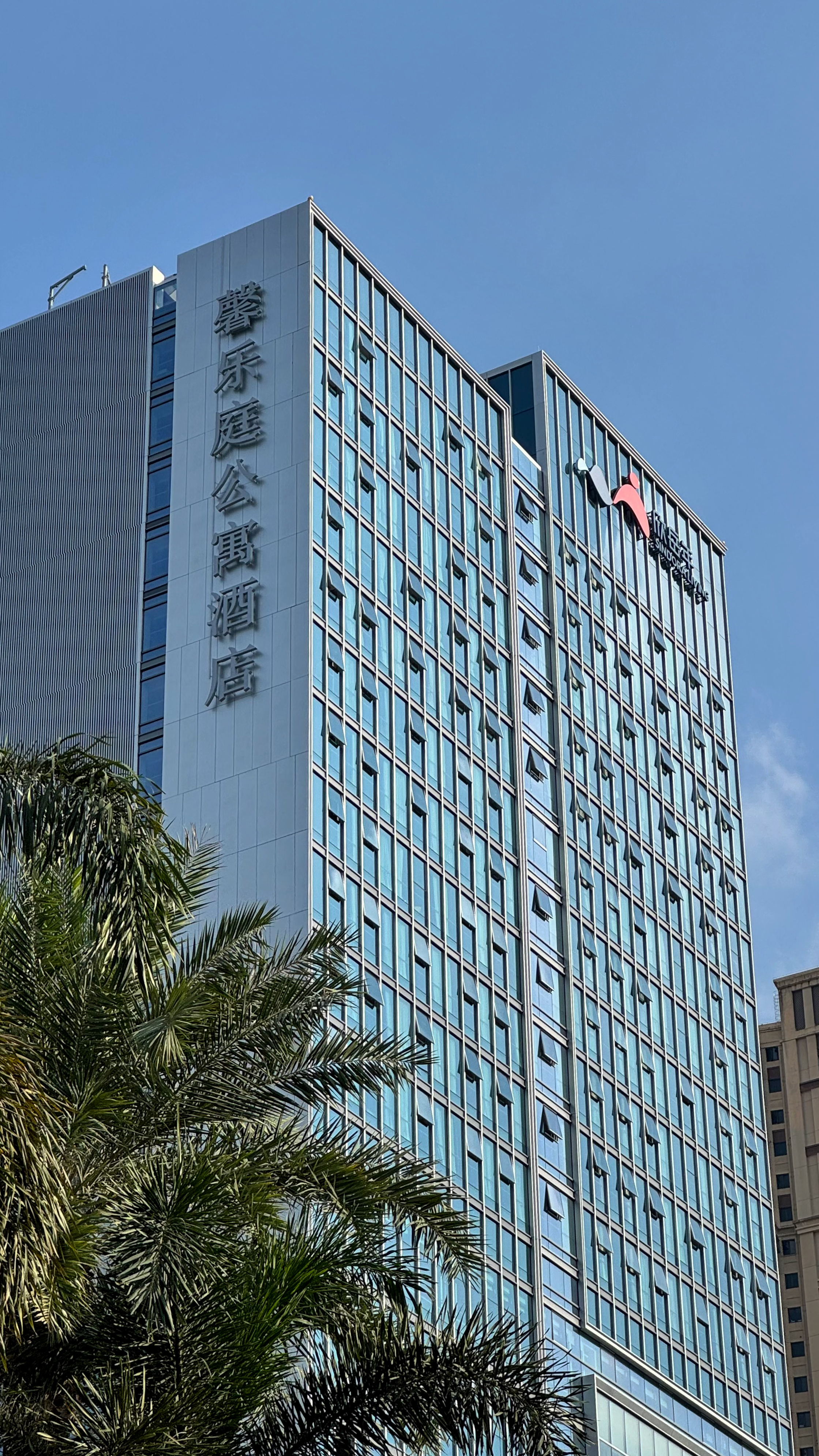
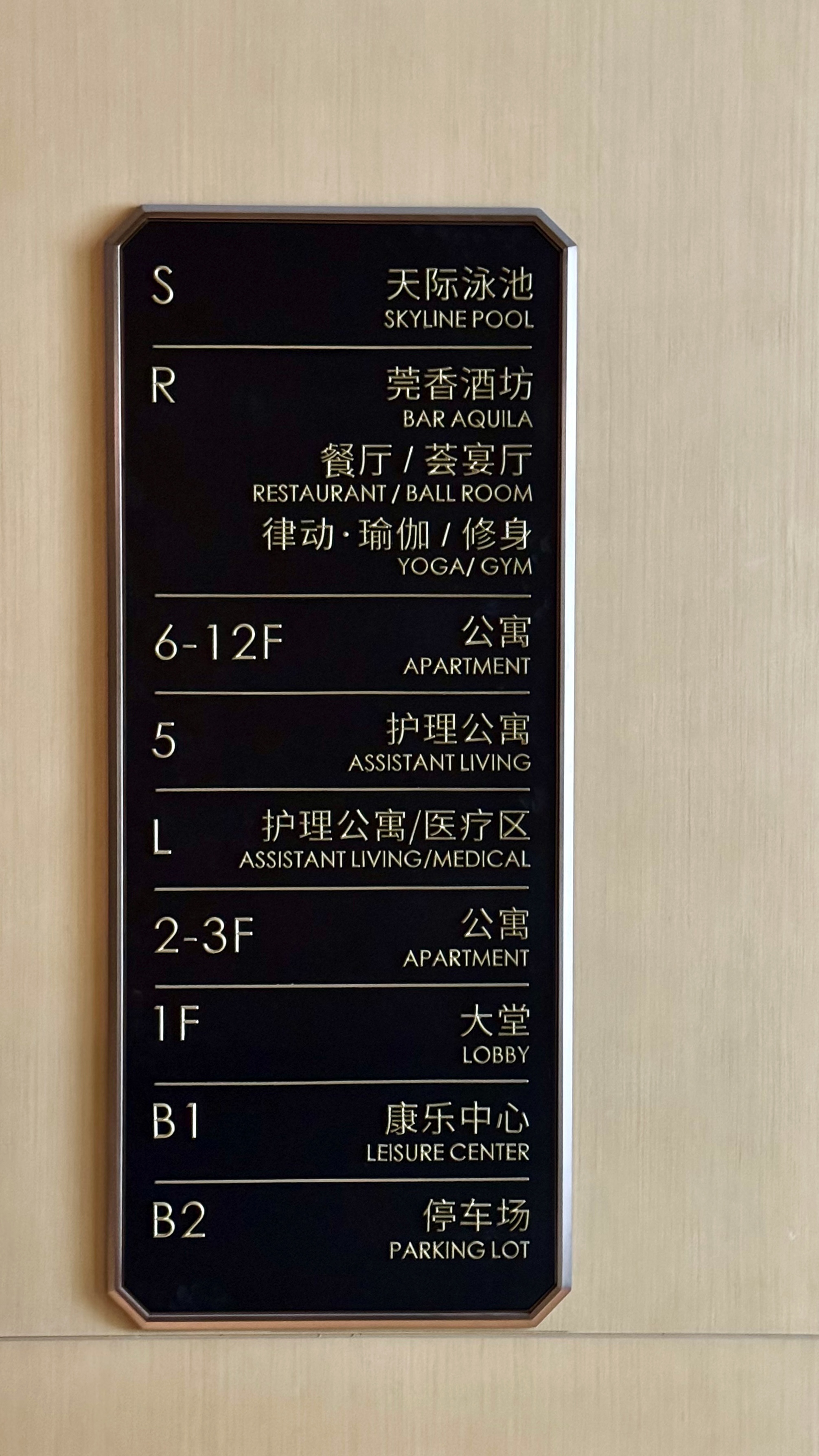
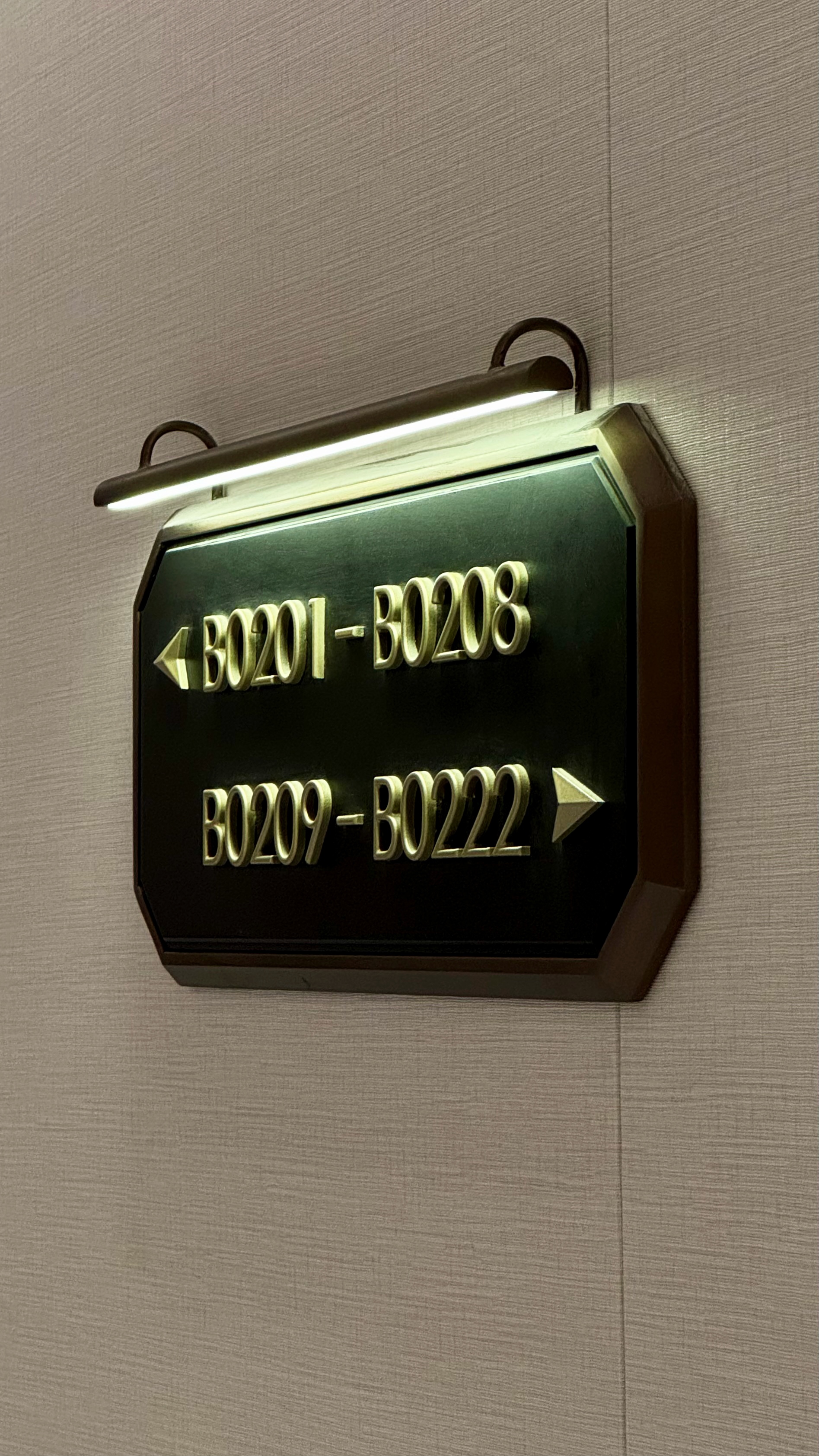
Throughout this article, photographs from the Xinyuenian Senior Living Center at Foshan Ping An Center, China, illustrate how architectural signage integrates into a comprehensive senior living environment.
1. Understanding the Project and Its Wayfinding Requirements
Every effective wayfinding signage system begins with an understanding of the building, its users, and the activities taking place within it.
Different environments require different approaches.
A shopping mall may prioritize retail directories, parking guidance, and circulation between floors. A hotel requires guestroom identification, lobby directions, and facility information.
For senior living communities, wayfinding considerations can be more complex.
Residents, visiting families, staff, and service providers may use the same building in different ways. Signage should therefore communicate destinations clearly while maintaining a welcoming architectural appearance.
The Xinyuenian Senior Living Center at Foshan Ping An Center provides a useful example of a senior living environment with comprehensive supporting facilities.
For this type of project, wayfinding planning should consider:
-
Building entrances and reception areas
-
Floor identification and vertical circulation
-
Residential and functional areas
-
Shared facilities and public spaces
-
Indoor and outdoor navigation
-
Accessibility and information readability
Before manufacturing begins, a clear signage schedule should identify the required sign types, quantities, dimensions, locations, and specifications.
Explore our custom signage and wayfinding solutions for different architectural environments.
2. From Design Concept to Technical Shop Drawings
The first design stage establishes the visual language of a signage system, including typography, colors, symbols, materials, and overall appearance.
However, design concepts alone are not always sufficient for manufacturing.
A signage manufacturer must translate approved concepts into practical fabrication details.
Technical shop drawings may include:
-
Exact sign dimensions and material thicknesses
-
Structural construction and assembly details
-
Mounting methods and fixing locations
-
Lighting specifications for illuminated signage
-
Graphic layouts, typography, and color references
-
Surface finishing and installation requirements
For example, a wall-mounted directory sign must be coordinated with the wall finish, mounting height, structural support, and available installation space.
In a senior living environment, readability and consistency are particularly important. Sign dimensions, text placement, and installation positions should be evaluated with the intended users in mind.
By reviewing technical requirements before production, manufacturers and project teams can identify potential fabrication or installation conflicts earlier.
3. Selecting Materials for Architectural Wayfinding Signage
Material selection affects the appearance, durability, maintenance, and cost of a signage system.
For commercial and senior living environments, commonly used materials include stainless steel, aluminum, acrylic, and other architectural signage components.
| Material | Typical Applications | Key Considerations |
|---|---|---|
| Stainless steel | Building identification, directories, decorative signs | Surface finish, corrosion resistance, durability |
| Aluminum | Directional panels, suspended signs, wall-mounted signage | Lightweight construction, coating options |
| Acrylic | Illuminated signs, interior identification, decorative panels | Color, thickness, light transmission |
| LED components | Illuminated letters and signage | Electrical requirements, lighting consistency, maintenance |
| Printed graphics | Information panels and directional graphics | Readability, surface durability, replacement needs |
Material specifications should reflect the actual installation environment.
Outdoor signage may require additional consideration of weather exposure, corrosion resistance, and structural stability.
Indoor signage often needs to coordinate closely with architectural finishes, lighting, and interior design.
For senior living environments, smooth finishes, appropriate contrast, and clear information presentation are also important considerations.

4. Prototyping and Sample Approval
For complex or large-scale signage projects, sample approval can help verify important details before batch manufacturing.
A physical sample allows the project team to review:
-
Material appearance and surface finishes
-
Color consistency
-
Typography and graphic accuracy
-
Lettering visibility and readability
-
Lighting effects, where applicable
-
Assembly quality and construction details
Sample approval is especially useful when multiple signage types must follow the same visual standards.
For a senior living center, maintaining consistency between directories, directional signs, identification signs, and other information panels helps create a more recognizable navigation system.
The exact sampling process depends on project scope, technical complexity, and client requirements.
5. Custom Wayfinding Signage Manufacturing
Once drawings, materials, and samples are approved, the project moves into production.
Depending on the design, custom signage manufacturing may involve metal cutting, bending, welding, acrylic processing, surface preparation, painting, graphic application, and final assembly.
A typical production workflow includes:
-
Reviewing approved shop drawings and specifications
-
Preparing materials and production instructions
-
Fabricating metal, acrylic, or other components
-
Applying surface finishes and graphics
-
Assembling completed signage products
-
Performing quality checks before packaging
For a complete architectural signage system, manufacturing consistency is essential.
Even when individual signs vary in size or function, their typography, materials, colors, and fabrication details should remain coordinated.
The Xinyuenian project photographs demonstrate the visual role that completed signage can play within a senior living environment.
6. Quality Inspection and Packaging
Quality control is an important part of the signage manufacturing process.
Before shipment, finished products should be checked against approved drawings and relevant production requirements.
Typical inspection points include:
-
Sign dimensions and proportions
-
Material and surface finish consistency
-
Graphic alignment and lettering accuracy
-
Assembly and mounting components
-
Lighting operation for illuminated signage
-
Visible defects or transportation risks
For projects involving multiple signage types, proper identification and packaging are also important.
Individual signs may need to be labeled according to the signage schedule, installation area, or floor location.
Protective packaging helps reduce the risk of surface damage during transportation and handling.
For international projects, clear packing information can also help local contractors organize the products before installation.
7. Installation Preparation and On-Site Coordination
A completed sign must still be installed correctly to achieve the intended visual and functional result.
Installation preparation should begin before the products arrive on site.
Manufacturers and project teams may need to coordinate:
-
Installation drawings and fixing methods
-
Wall, ceiling, and structural conditions
-
Electrical connections for illuminated signage
-
Signage locations and mounting heights
-
Installation sequences and site access
-
Coordination with other building finishes
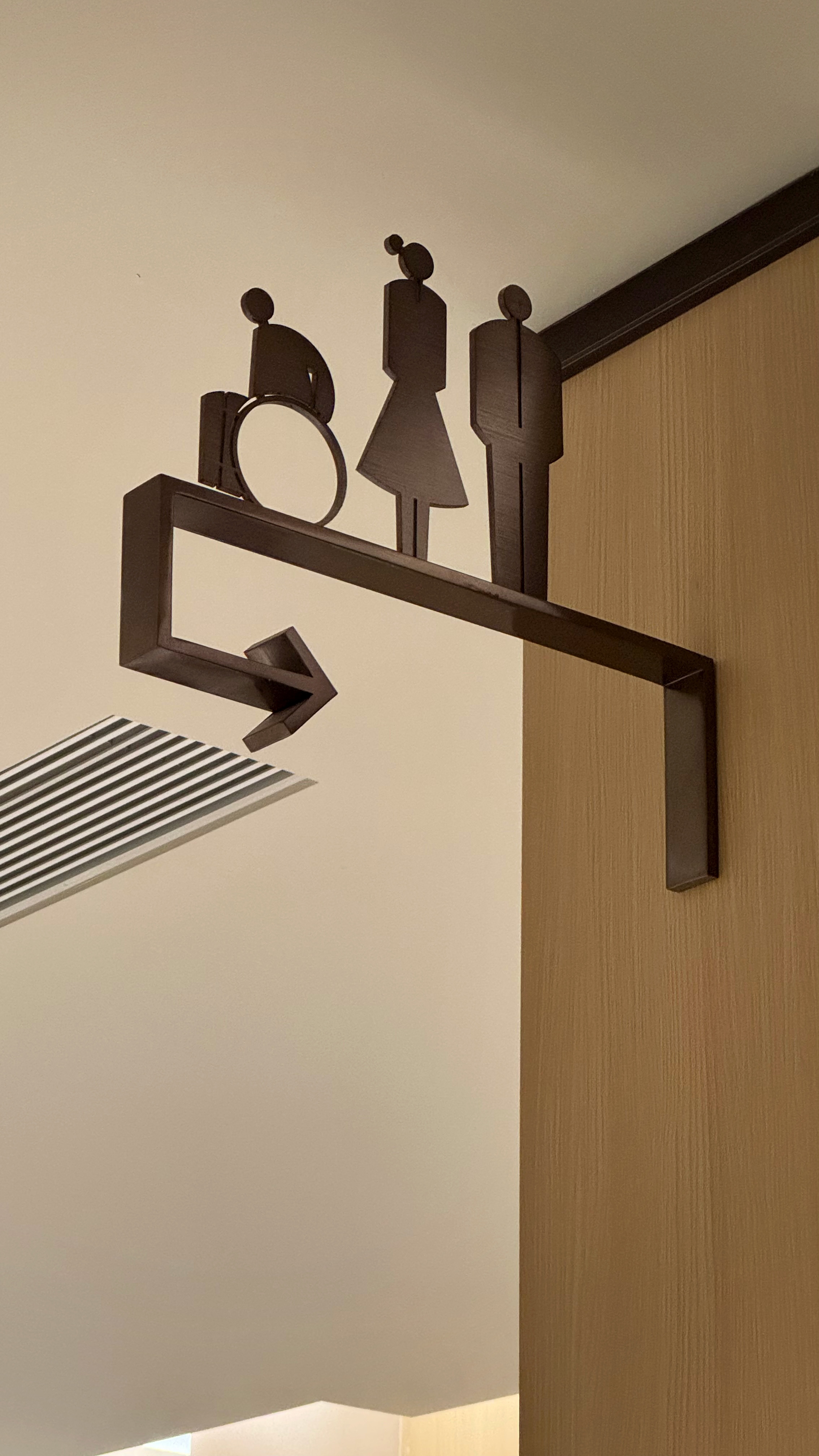
In senior living environments, the final positioning of signage deserves particular attention.
Directional signs should be visible at decision points, while room identification and information signs should be positioned consistently and appropriately for their intended users.
Manufacturers can provide technical information and installation guidance, while local installation teams remain responsible for verifying actual site conditions and applicable requirements.
8. Why Wayfinding Consistency Matters in Senior Living Centers
A senior living center is more than a single-purpose building.
It may combine residential spaces, reception areas, shared facilities, activity spaces, and other supporting services.
A coordinated wayfinding signage system helps connect these environments through consistent visual information.
Important considerations include:
Clear identification
Building entrances, floors, rooms, and functional areas should be easy to recognize.
Consistent information hierarchy
Directional information should follow a predictable visual structure throughout the property.
Readable signage
Text, symbols, colors, contrast, and lighting should support the needs of intended users.
Architectural integration
Signage should complement the surrounding interior and exterior design rather than appear disconnected from it.
Practical maintenance
Materials and fabrication methods should support cleaning, durability, and long-term use.
These principles apply not only to senior living centers but also to hospitals, healthcare facilities, hotels, and other complex buildings.
For projects in the United States, relevant signage accessibility requirements can be reviewed through the official ADA Accessibility Standards. Requirements vary by jurisdiction and project type.
9. Working With Maccan Signage on Your Next Project
Choosing a wayfinding signage manufacturer involves more than comparing individual product prices.
For complete architectural projects, buyers should evaluate the manufacturer's ability to understand drawings, coordinate materials, manage custom fabrication, and maintain consistent production quality.
Maccan Signage is a China-based custom signage manufacturer serving commercial and architectural projects.
Our services include:
-
CAD and technical drawing support
-
Custom material and finish options
-
Architectural signage fabrication
-
Illuminated and non-illuminated signage manufacturing
-
Quality inspection and packaging
-
Installation guidance for project teams
Whether you are sourcing signage for a senior living community, healthcare facility, hotel, shopping mall, or commercial building, our team can review your project specifications and manufacturing requirements.
To prepare an accurate quotation, we recommend sharing your signage drawings, estimated quantities, material requirements, and project timeline.
Planning a Custom Wayfinding Signage Project?
Maccan Signage supports architectural signage and wayfinding manufacturing for commercial projects worldwide.
Email: info@maccansignage.com
WhatsApp: +852 6959 3497
Conclusion
Successful wayfinding signage projects require coordination from initial design concepts through technical detailing, material selection, manufacturing, quality inspection, and installation preparation.
Each stage contributes to the consistency, functionality, and appearance of the completed signage system.
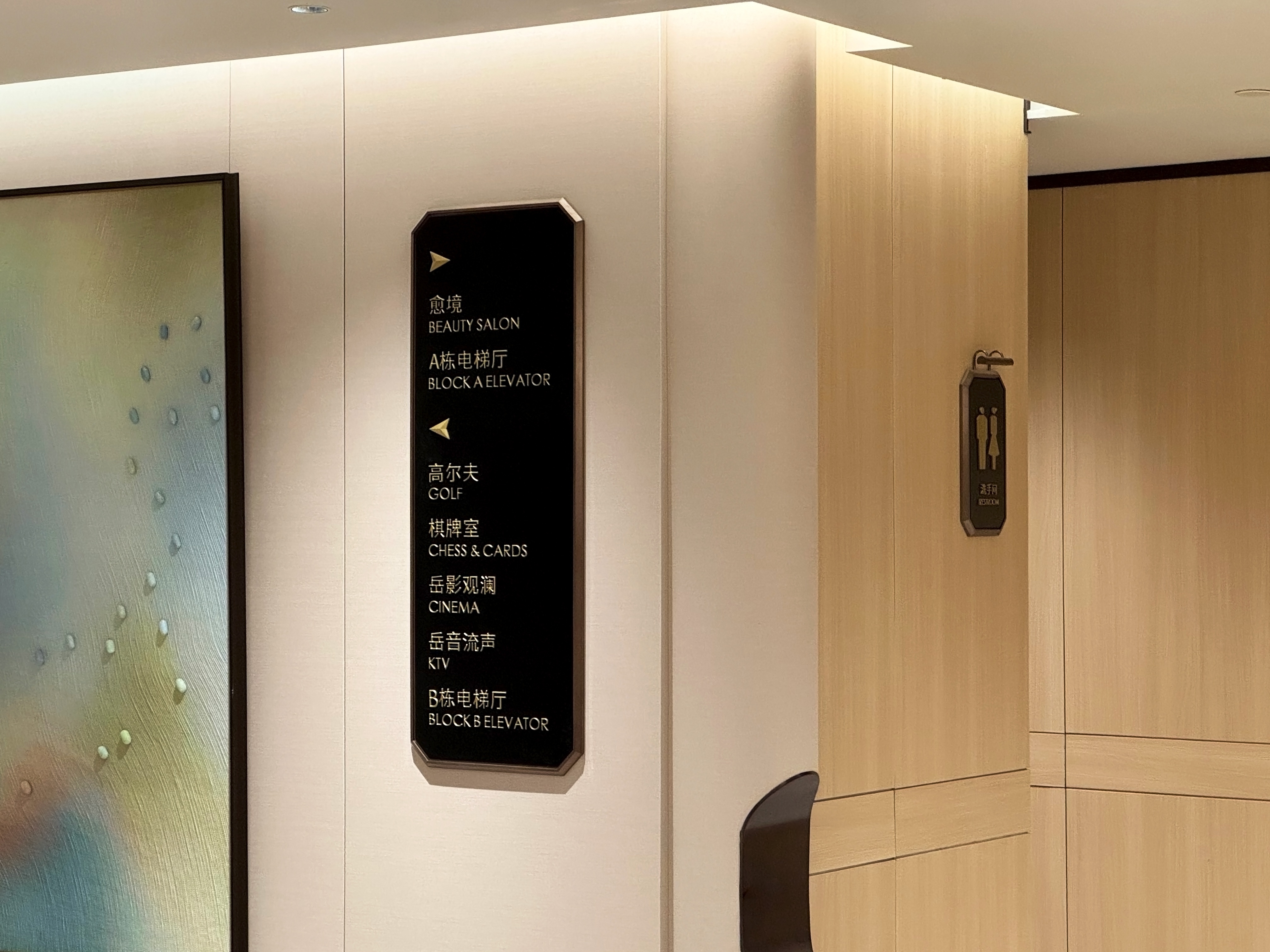
The Xinyuenian Senior Living Center at Foshan Ping An Center offers a relevant architectural setting for illustrating how wayfinding signage can integrate with a comprehensive senior living environment.
For developers, architects, contractors, and procurement teams, early collaboration with an experienced signage manufacturer can help transform design concepts into practical, production-ready signage solutions.
How to Choose a Shopping Mall Signage Manufacturer for Your Project
Related Article