Hotel Signage Procurement Guide: How to Source Custom Signage for Hospitality Projects
Hotel Signage Procurement Guide: How to Source Custom Signage for Hospitality Projects
Hotel signage is more than a collection of room numbers and directional signs. It is an essential part of the guest experience, helping visitors navigate the property while reinforcing the hotel's architectural identity.
For hotel developers, procurement managers, contractors and hospitality design firms, sourcing a complete signage system requires careful planning.
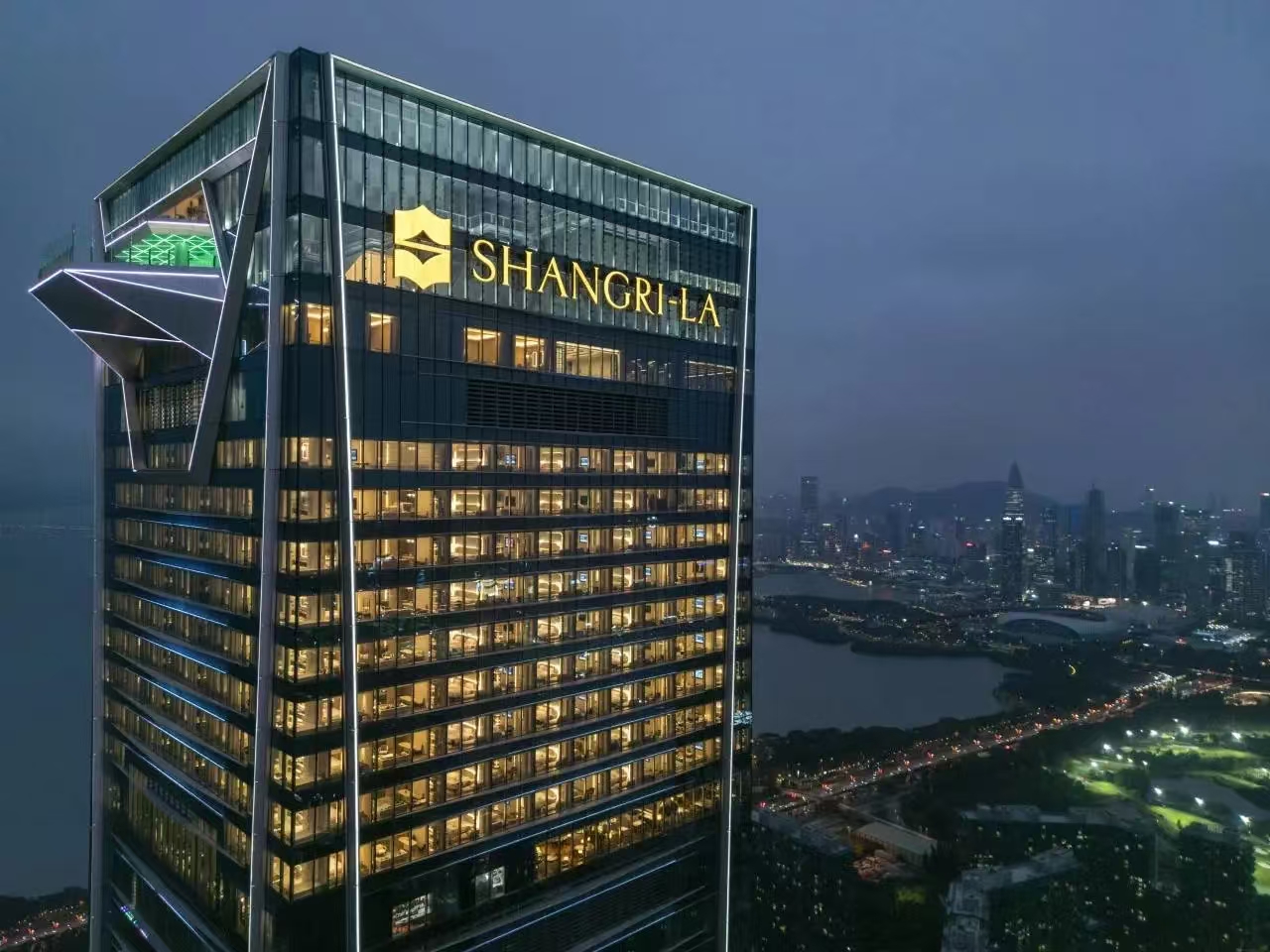
A typical hotel project may include exterior building signs, lobby directories, guestroom identification, elevator signage, restaurant signs, emergency information and back-of-house identification.
Each signage category has different requirements for materials, finishes, dimensions, readability and installation.
This guide explains how to plan hotel signage procurement, evaluate custom signage manufacturers, compare quotations and coordinate production and international delivery.
1. What Types of Signage Does a Hotel Need?
Before contacting a hotel signage supplier, buyers should identify the complete signage scope.
A comprehensive hotel signage system may include the following categories.
Exterior Hotel Signage
Exterior signs help guests identify the property and locate its entrances.
Common examples include:
-
Hotel building identification signs
-
Main entrance signs
-
Monument and freestanding signs
-
Vehicle entrance and parking signs
-
Drop-off and valet parking signage
-
Outdoor directional signs
Exterior signage must be designed according to the installation environment, structural requirements and local regulations.
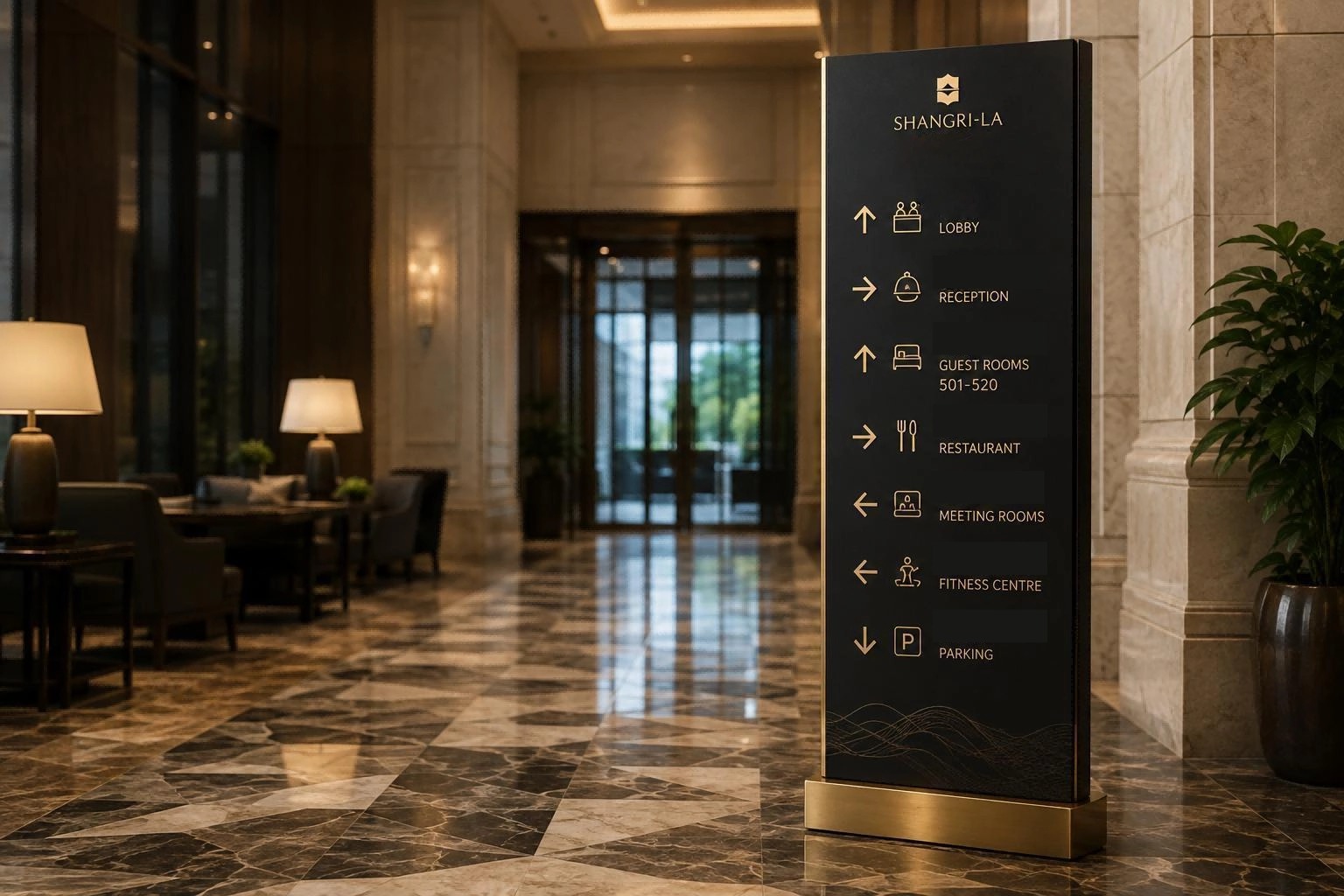
Lobby and Public Area Signage
Public area signs help guests navigate the hotel after entering the building.
Typical applications include:
-
Lobby directories
-
Reception identification
-
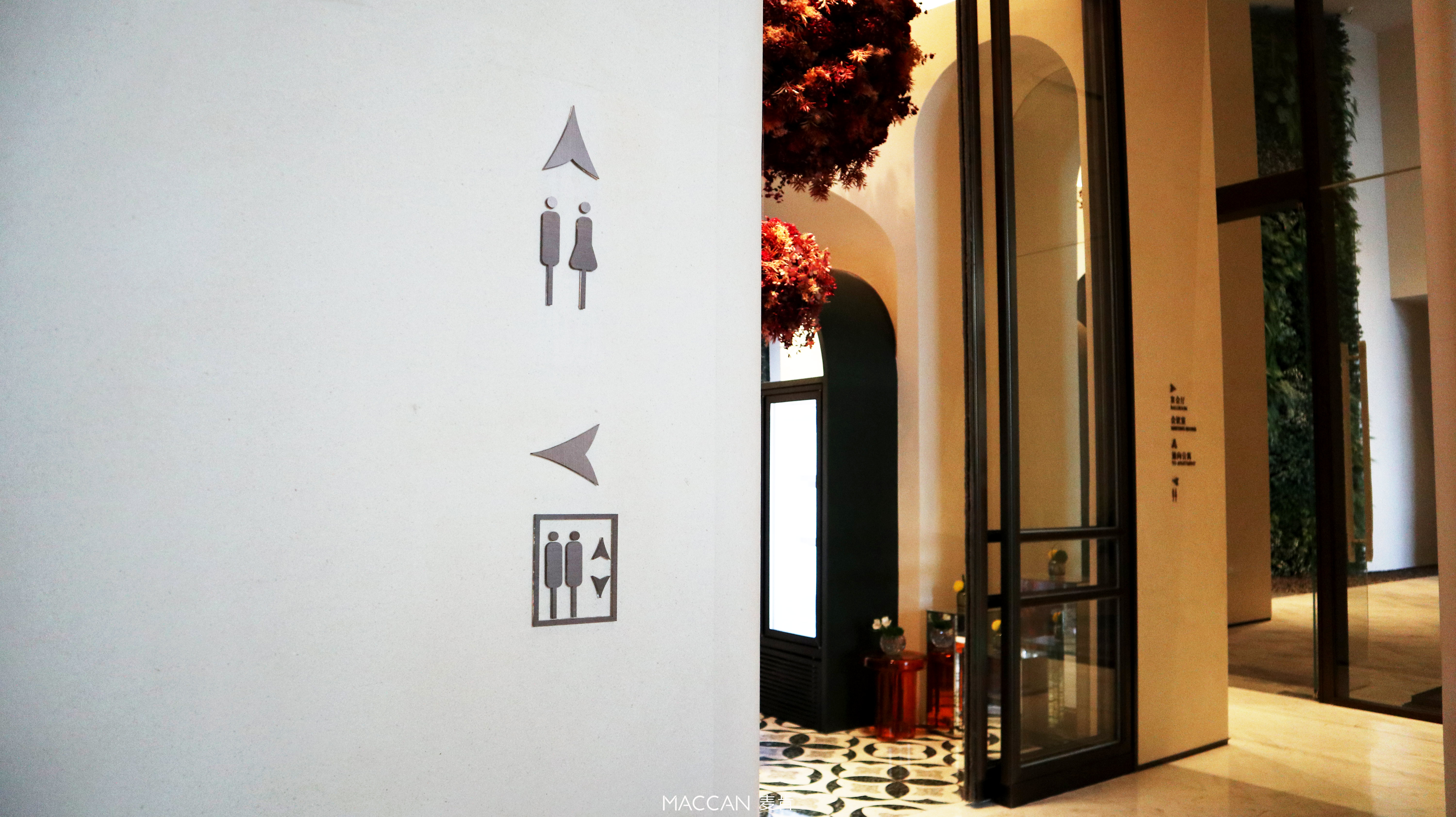
Elevator and floor directories
-
Restaurant and bar signs
-
Conference and ballroom signage
-
Fitness center and spa signs
-
Restroom identification
These signs should maintain a consistent visual language across the property.
Guestroom and Corridor Signage
Guestroom signage is one of the most frequently repeated categories in a hotel project.
It may include:
-
Guestroom number signs
-
Suite identification
-
Floor identification
-
Corridor directional signs
-
Housekeeping and service area signs
-
Accessible room identification
For large hotels, consistency in dimensions, typography, finish and mounting height is especially important.
Safety and Regulatory Signage
Hotels may also require emergency exit signs, evacuation information, fire safety identification and accessibility-related signage.
These products must be reviewed against the applicable local codes and project specifications.
Regulatory requirements should not be assumed to be identical across different countries.
2. Prepare a Complete Hotel Signage Schedule
One of the most important steps in hotel signage procurement is preparing a detailed signage schedule.
A signage schedule helps the project team identify every required sign before manufacturing begins.
A practical schedule should include:
| Information | Description |
|---|---|
| Sign code | Unique identification number for each sign type |
| Sign category | Room sign, directory, directional sign, etc. |
| Quantity | Number of units required |
| Dimensions | Width, height, depth and relevant tolerances |
| Materials | Stainless steel, aluminum, acrylic or other specified materials |
| Finish | Color, texture, coating or decorative finish |
| Graphics | Text, symbols, arrows and language requirements |
| Installation location | Building, floor, room or area |
| Mounting method | Wall-mounted, suspended, freestanding or projecting |
| Illumination | LED requirements, if applicable |
For projects involving multiple buildings or hundreds of rooms, the schedule can help reduce omissions, quotation inconsistencies and production confusion.
If your project team has not prepared one yet, see our related guide:
3. Choose Materials That Match the Hotel's Design and Operating Environment
Material selection influences the appearance, durability, maintenance and manufacturing cost of hotel signage.
Different hotel areas may require different material combinations.
Stainless Steel
Stainless steel is commonly used for premium architectural letters, entrance signage and decorative interior signs.
Available finishes may include brushed, polished and other specified decorative treatments.
The appropriate material grade should be selected according to environmental exposure.
Aluminum
Aluminum is relatively lightweight and suitable for many directional panels, directories and suspended signs.
It can be fabricated into different forms and finished in a range of colors.
Acrylic
Acrylic is frequently used for illuminated signs, decorative panels and interior identification.
It can be combined with metal structures to achieve different design effects.
LED Components
Illuminated signage may be appropriate for exterior hotel identification, reception features and selected directional signs.
Buyers should confirm electrical specifications, access for maintenance and lighting performance before approving production.
The final material combination should follow the hotel's approved design specifications rather than a generic product recommendation.
4. How to Evaluate a Hotel Signage Manufacturer
Choosing a hotel signage manufacturer involves more than finding the lowest quotation.
A qualified supplier should be able to review project documentation, identify manufacturing requirements and explain how different sign types will be produced.
When evaluating potential suppliers, consider the following factors.
Experience With Architectural Signage
Review whether the manufacturer has experience producing signage for hotels, commercial buildings or other multi-area architectural projects.
Ask for relevant photographs, fabrication details or examples of completed work.
Technical Drawing Support
Hotel signage often requires coordination between design drawings and actual manufacturing methods.
A supplier should be able to discuss:
-
Material thickness
-
Internal structures
-
Mounting details
-
Lighting arrangements
-
Surface finishing
-
Assembly requirements
Custom Manufacturing Capability
A hotel project may require dozens of different sign types, each with its own dimensions and details.
The supplier should be capable of producing custom designs rather than offering only standard catalog products.
Sample Development
Physical samples can help buyers evaluate materials, colors, typography, surface finishes and workmanship before mass production.
Quality Inspection
Ask how the manufacturer checks dimensions, appearance, graphic accuracy, assembly and illumination where applicable.
Export Packaging and Delivery Coordination
For international projects, the supplier should be able to discuss protective packaging, product identification, shipping documentation and delivery arrangements.

5. How to Compare Hotel Signage Quotations
Two hotel signage quotations may look similar while covering different materials, quantities or manufacturing requirements.
Therefore, procurement teams should compare quotations on a consistent technical basis.
Important questions include:
-
Are all signage types and quantities included?
-
Are the proposed materials and thicknesses equivalent?
-
Are surface finishes clearly specified?
-
Are illuminated components included where required?
-
Are mounting accessories included?
-
Are samples and sample revisions included or charged separately?
-
Are packaging costs included?
-
What shipping terms apply?
-
What are the production lead time and payment terms?
-
What warranty and after-sales support are offered?
Buyers should also clarify whether installation is included, excluded or supported through technical guidance only.
A lower initial quotation may not represent better overall value if essential items are missing.
For additional guidance, read:
What Information Does a Signage Manufacturer Need to Prepare a Quote?
6. Why Sample Approval Matters Before Mass Production
For hotel projects, sample approval can help ensure that the final signage matches the intended architectural design.
A sample review may include:
-
Material and finish accuracy
-
Color consistency
-
Font style and letter spacing
-
Logo proportions
-
Surface quality
-
Illumination appearance
-
Mounting details
-
Overall workmanship
This is particularly important for guestroom number signs and other repeated products.
A small difference in finish or typography may become much more noticeable when repeated throughout an entire hotel.
Once the sample is approved, the manufacturer and buyer should confirm the reference specifications before mass production.
For complex projects, a signed sample approval record can help reduce misunderstandings.
7. Coordinate Production With the Hotel Construction Schedule
Hotel signage procurement should be aligned with the overall construction and interior fit-out schedule.
If signage production begins before design details are finalized, changes may lead to rework or additional costs.
If procurement begins too late, the signage may not be ready when the hotel approaches handover.
A practical workflow may include:
Step 1: Confirm signage scope
Review drawings, sign types, quantities and installation locations.
Step 2: Request quotations
Provide the same technical requirements to the shortlisted suppliers.
Step 3: Review materials and samples
Confirm finishes, colors, typography and construction details.
Step 4: Approve production drawings
Verify dimensions, graphics, mounting methods and other technical specifications.
Step 5: Begin manufacturing
Monitor production milestones and communicate any approved changes.
Step 6: Complete quality inspection
Check finished signs against the approved requirements.
Step 7: Arrange packaging and shipping
Identify products by sign code, building or floor where appropriate.
Step 8: Coordinate installation
Provide installation information to the local project team and resolve technical questions.
The actual schedule will depend on project size, production complexity and delivery destination.
8. International Hotel Signage Procurement: What Overseas Buyers Should Know
Sourcing custom hotel signage from an overseas manufacturer can provide access to additional manufacturing capabilities and material options.
However, international procurement requires clear communication and documentation.
Before confirming an order, buyers should clarify the following.
Technical Documentation
Ensure that approved drawings and specifications are shared in a consistent format.
Language and Graphic Accuracy
Hotels may require multilingual signage.
Room names, directional information and regulatory wording should be reviewed and approved by the buyer or relevant project consultant.
Packaging Identification
For projects with many sign types, each package should be clearly associated with the relevant signage schedule or installation area.
Shipping Arrangements
Confirm the delivery destination, agreed Incoterms, packaging requirements and responsibility for freight, insurance, customs clearance and import charges.
For information about internationally recognized trade terms, refer to the International Chamber of Commerce's Incoterms rules.
Local Installation
Confirm whether the signage manufacturer provides installation drawings, fixing details or remote technical guidance.
Site measurements, substrate suitability and compliance with local requirements should be verified by the responsible project team.
9. Common Hotel Signage Procurement Mistakes to Avoid
Even experienced project teams can encounter problems when purchasing a complete signage system.
Common mistakes include:
Incomplete signage schedules
Missing signs may be discovered late in the project, requiring additional production.
Comparing prices without matching specifications
Different materials or finishes can make quotations difficult to compare.
Skipping sample approval
Colors, textures and graphic details may not match expectations.
Ignoring mounting requirements
A visually attractive sign may require modifications if the wall structure or fixing method was not considered.
Late design changes
Revisions after production begins can affect cost and delivery.
Poor coordination between signage and interior finishes
Signs may conflict with lighting, wall panels or other architectural elements.
Unclear delivery responsibilities
Misunderstandings about shipping terms, customs and installation support can delay project completion.
Clear specifications, approved samples and consistent communication can help reduce these risks.
10. Why Work With Maccan Signage for Hotel Signage Manufacturing?
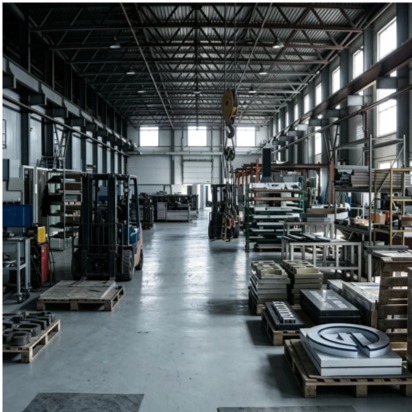
Maccan Signage is a China-based custom architectural signage manufacturer providing solutions for hospitality and commercial projects.
We support the manufacturing of various hotel signage applications, including:
-
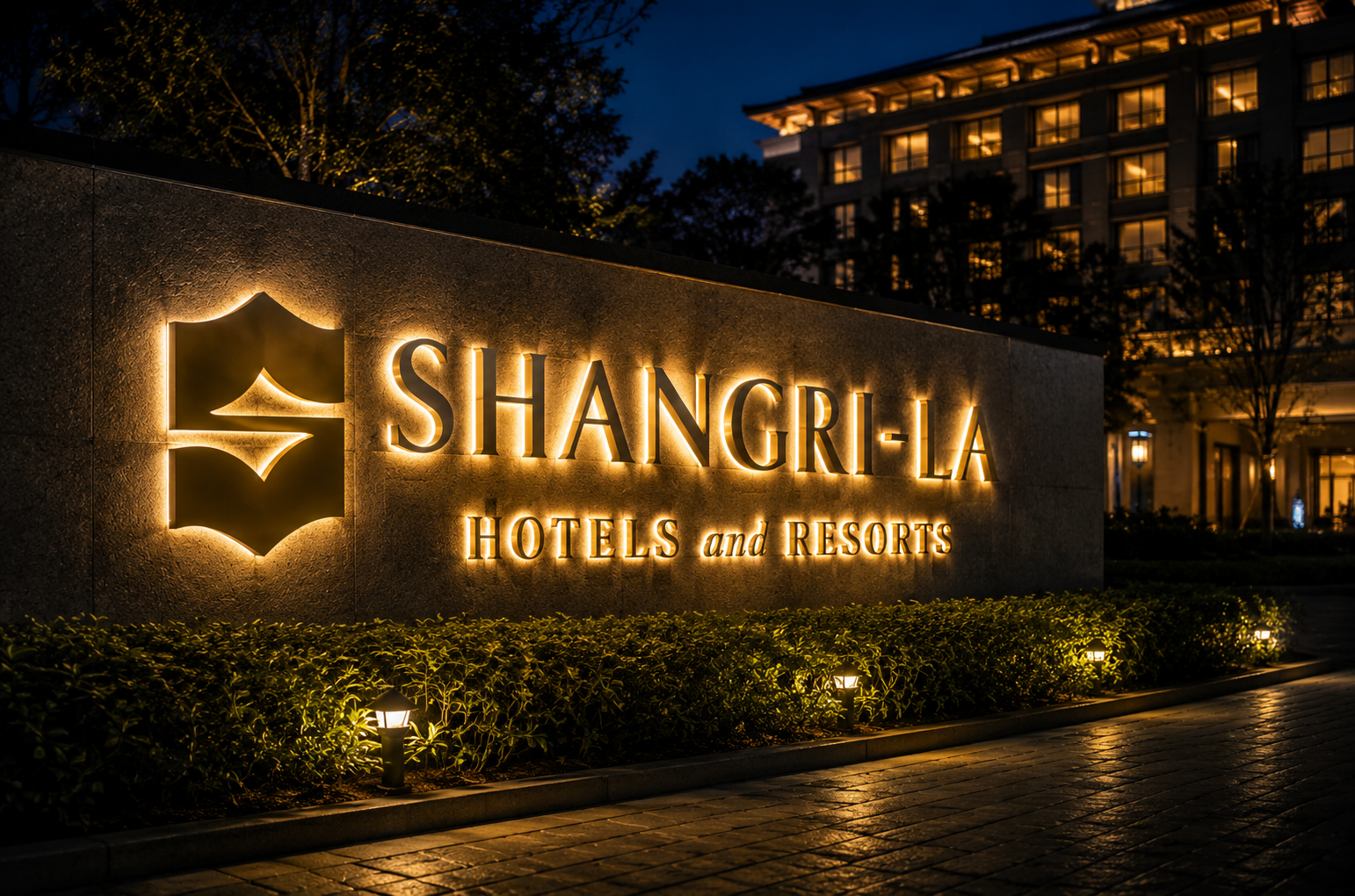
Exterior hotel identification signage
-
Lobby and floor directories
-
Guestroom number signs
-
Corridor directional signs
-
Restaurant and facility signage
-
Illuminated architectural signs
-
Custom metal and acrylic signage
Our services include technical drawing support, material selection, custom fabrication, sample development, quality inspection, packaging and installation guidance.
We understand that hotel signage projects require coordination across multiple sign types while maintaining consistency in materials, finishes and visual identity.
Explore our Hotel & Hospitality Signage Solutions to learn more about our custom signage capabilities.
Frequently Asked Questions About Hotel Signage Procurement
What information is needed to request a hotel signage quotation?
A signage schedule, design drawings, quantities, dimensions, material specifications, finish requirements and delivery destination are useful starting points.
Can a hotel signage manufacturer produce custom designs?
Yes. Custom architectural signage manufacturers can produce signs according to approved drawings and technical specifications, subject to manufacturing feasibility.
Should hotel signage samples be approved before mass production?
Sample approval is recommended, especially for projects with repeated room signs, decorative finishes or multiple signage categories.
How long does hotel signage manufacturing take?
Production time depends on the number of signs, material requirements, design complexity, sample approvals and factory scheduling. Buyers should request a project-specific timeline.
Can hotel signage be manufactured in China and shipped internationally?
Yes. International procurement is possible, but buyers should confirm shipping terms, packaging, customs responsibilities and local installation arrangements.
Conclusion
Successful hotel signage procurement requires more than selecting individual products.
From the initial signage schedule to material selection, supplier evaluation, sample approval, manufacturing and international delivery, each stage affects the final quality and coordination of the project.
For hotel developers, contractors, designers and procurement teams, working with a capable custom signage manufacturer can help turn approved designs into consistent, manufacturable signage systems.
Planning a Hotel Signage Project?
Maccan Signage provides custom signage manufacturing support for hotels, resorts and other hospitality developments.
Send us your drawings, signage schedule, quantities and project requirements to discuss suitable manufacturing solutions.
Request a Custom Hotel Signage Quote
Website: https://www.maccansignage.com
Email: info@maccansignage.com
WhatsApp: +852 6959 3497
How to Prepare a Signage Schedule for a Commercial Project
Related Article
