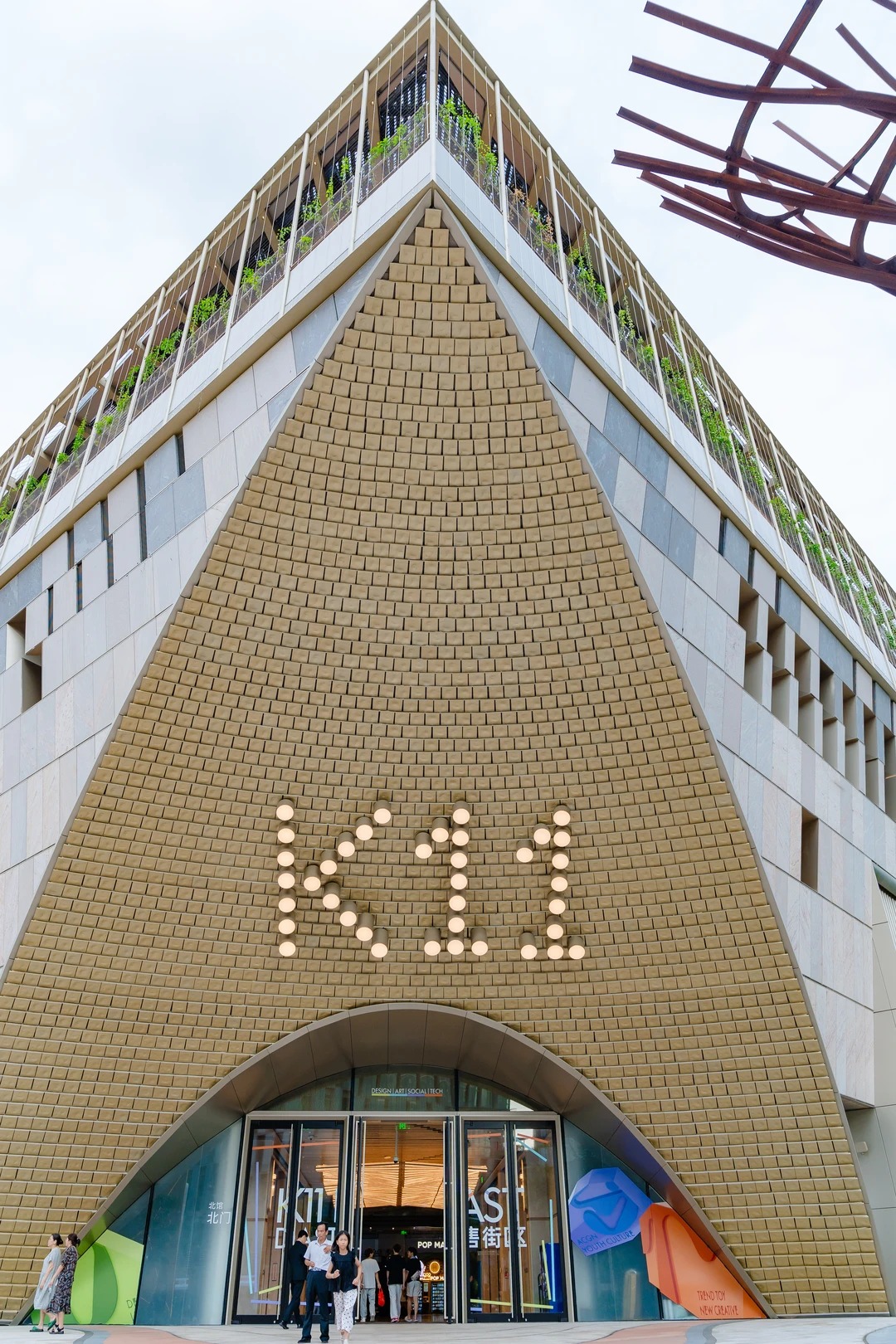
How to Prepare a Signage Schedule for a Commercial Project
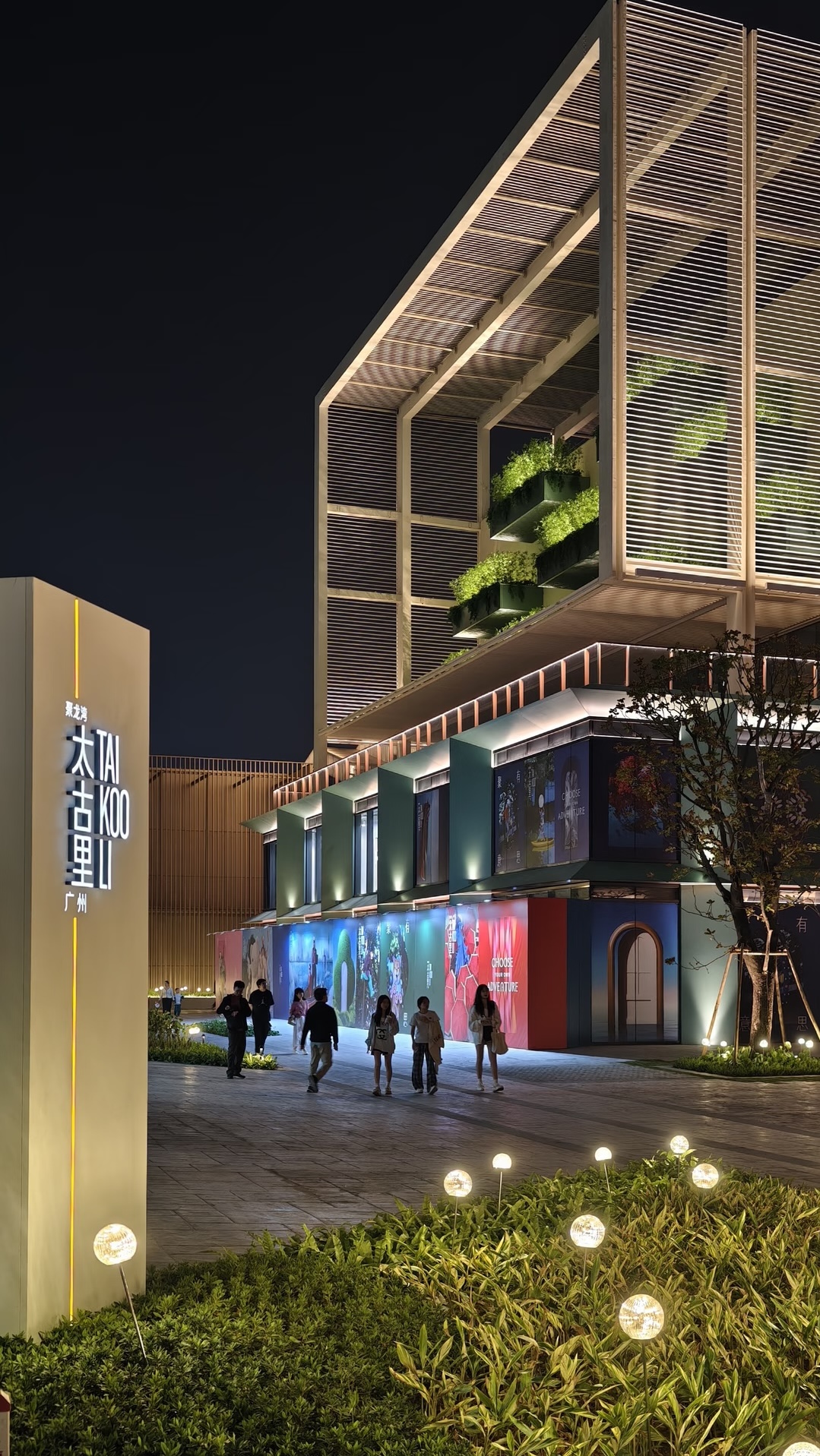
How to Prepare a Signage Schedule for a Commercial Project
Planning signage for a commercial project involves more than selecting sign designs and materials. From building identification and directional signs to floor directories and room identification, each sign needs to be clearly documented before manufacturing begins.
For architects, contractors, developers and procurement teams, a well-prepared commercial signage schedule helps organize project requirements, reduce communication gaps and support a smoother manufacturing process.
Whether the project involves a hotel, shopping mall, office building or healthcare facility, the signage schedule provides an important reference for designers, manufacturers and installation teams.
1. Identify All Sign Types Required for the Project
The first step is to identify the different categories of signage required throughout the building.
A commercial project may include several types of signs, depending on its layout and operational requirements.
Common categories include:
-
Building Identification Signs: Display building names, company names or project identities.
-
Directional Signs: Guide visitors toward entrances, elevators, departments and other destinations.
-
Floor Directories: Provide information about tenants, departments and facilities on each floor.
-
Room Identification Signs: Identify offices, meeting rooms, consultation rooms and service areas.
-
Parking Signs: Provide vehicle directions and parking information.
-
Safety and Regulatory Signs: Communicate important safety instructions and required information.
-
Illuminated Signs: Use lighting to improve visibility and highlight important identification areas.
Each category should be listed separately to help manufacturers understand the overall production scope.
For projects involving multiple environments, explore our commercial building signage solutions and healthcare signage solutions.
2. Record Sign Dimensions and Quantities
Dimensions and quantities are essential information for manufacturing and quotation purposes.
Each sign should have a unique reference number so that it can be identified throughout the design, production and installation stages.
A signage schedule should ideally include:
-
Sign reference number.
-
Sign category and description.
-
Overall width and height.
-
Thickness or structural depth, where applicable.
-
Required quantity.
-
Floor or installation location.
-
Reference drawing number.
For example, a shopping mall project may contain several directory signs with similar designs but different dimensions and floor information.
Recording these differences clearly helps avoid confusion during manufacturing.
If the project includes large quantities of signs, organizing the schedule by floor, building zone or sign category can make information easier to review.
3. Specify Materials and Surface Finishes
Different signage applications require different materials and manufacturing methods.
Common materials used in architectural and commercial signage include:
| Material | Common Applications | Key Considerations |
|---|---|---|
| Stainless Steel | Architectural letters and premium identification signs | Surface finish, durability and corrosion resistance |
| Aluminum | Directional signs, panels and sign structures | Weight, fabrication and surface treatment |
| Acrylic | Illuminated letters, sign faces and information panels | Appearance, thickness and lighting effects |
| LED Components | Illuminated identification and directional signs | Lighting performance and maintenance access |
The signage schedule should specify the preferred material and surface finish whenever this information is available.
For example, a brushed stainless steel finish and a polished stainless steel finish create different visual effects.
If material specifications are not finalized, buyers can provide reference images or preliminary design drawings for technical discussion.
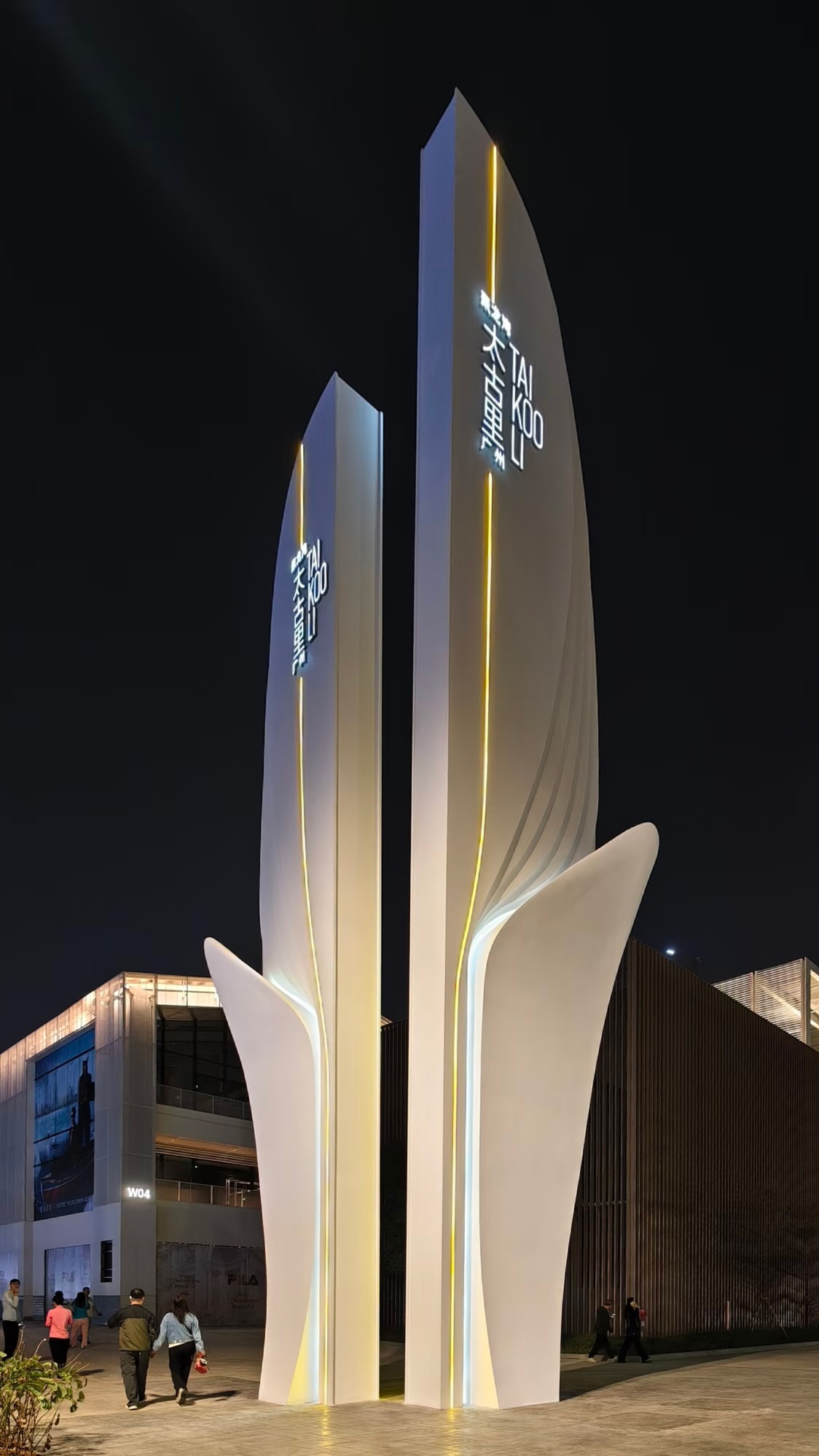
4. Include Installation and Lighting Requirements
Signage installation conditions can influence the manufacturing structure and fixing methods.
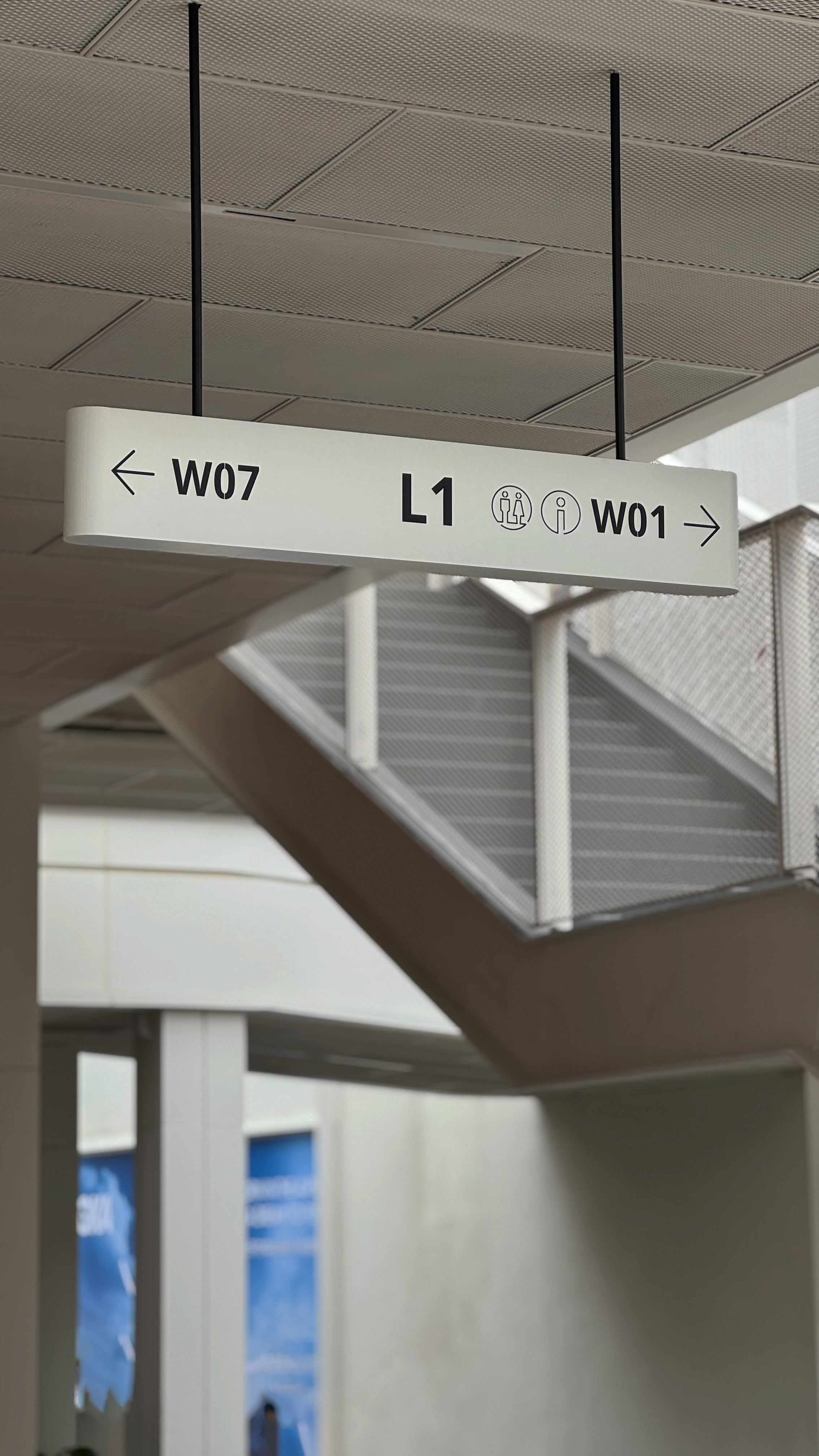
A sign designed for wall mounting may require different components from a suspended ceiling sign or a freestanding directional sign.
Important information to record includes:
-
Wall-mounted, suspended or freestanding installation.
-
Fixing methods and structural requirements.
-
Mounting height and installation location.
-
Indoor or outdoor application.
-
LED lighting requirements.
-
Power supply and wiring considerations, where applicable.
-
Access requirements for future maintenance.
For illuminated signage, manufacturers should review the lighting arrangement and electrical requirements before production.
Clear installation information helps manufacturers evaluate the proposed construction and identify potential production considerations.
5. Organize Drawings and Reference Images
A signage schedule should be supported by technical drawings and visual references whenever possible.
Useful documents include:
-
CAD drawings.
-
PDF design drawings.
-
Sign elevation drawings.
-
Material specifications.
-
Color references.
-
Installation details.
-
Site photographs.
-
Reference images of approved signage styles.
These documents help manufacturers understand the intended appearance and technical requirements of each sign.
For projects where the design is still under development, preliminary drawings and reference photographs can provide a useful starting point.
Learn more about the custom signage manufacturing process, from design drawings to finished products.
6. Confirm Production, Quality Inspection and Delivery Requirements
Once the signage schedule and technical specifications are prepared, the next step is to coordinate the manufacturing requirements.
Before production begins, project teams should confirm:
Sample Approval
Confirm whether material samples or physical signage samples are required before mass production.
Production Coordination
Review the approved drawings, quantities, material specifications and production priorities.
Quality Inspection
Check dimensions, surface finishes, colors, graphics, assembly details and lighting functions where applicable.
Packaging
Discuss protective packaging, sign identification labels and packing lists, especially for projects involving multiple installation locations.
Delivery Coordination
Confirm the delivery destination, expected schedule, shipping arrangements and required documentation.
Clear communication at each stage helps reduce misunderstandings between project teams and manufacturers.
7. What Information Should Be Sent to a Signage Manufacturer?
When requesting a quotation, buyers do not always need to provide every technical detail at the beginning.
However, the more complete the project information, the easier it is for manufacturers to evaluate the requirements.
A useful quotation package may include:
| Information | Recommended Documents |
|---|---|
| Project Overview | Project name, location and application |
| Signage Schedule | Sign types, quantities and reference numbers |
| Design Information | CAD drawings, PDF drawings or reference images |
| Material Requirements | Material types, thicknesses and finishes |
| Installation Details | Mounting methods and installation locations |
| Lighting Requirements | LED specifications, if applicable |
| Delivery Information | Destination and expected delivery schedule |
For more detailed guidance, read our article on what information a signage manufacturer needs to prepare a quotation.
Custom Commercial Signage Manufacturing with MACCAN Signage
MACCAN Signage is a custom signage manufacturer in China, providing architectural signage and wayfinding manufacturing for international commercial projects.
Our manufacturing capabilities include:
-
Custom metal and acrylic signage.
-
Architectural letters and illuminated signs.
-
Directional signs and floor directories.
-
Room identification and information signs.
-
Custom surface finishes and fabrication.
-
Quality inspection and protective packaging.
We support signage requirements for hotels, shopping malls, commercial buildings, healthcare facilities, schools and retail chain projects.
By reviewing project drawings, signage schedules and material specifications, our team can discuss suitable manufacturing solutions based on individual project requirements.
Explore MACCAN Signage's factory and manufacturing capabilities.
Planning a Commercial Signage Project?
Preparing a clear signage schedule is an important step toward successful project execution.
If you are planning a new commercial development or upgrading an existing building, MACCAN Signage can review your drawings, sign quantities, material requirements and manufacturing specifications.
Contact our team to discuss your custom signage project.
Website: https://www.maccansignage.com/
Email: info@maccansignage.com
WhatsApp: +852 6959 3497
How to Source Custom Wayfinding Signage from China: A Guide for International Buyers
Related Article