What Information Does a Signage Manufacturer Need to Prepare a Quote?
What Information Does a Signage Manufacturer Need to Prepare a Quote?
Requesting a quote for custom signage is different from purchasing a standard off-the-shelf product. Every signage project can vary in size, quantity, materials, finishes, lighting, installation conditions and technical requirements.
Providing clear project information helps the signage manufacturer better understand your requirements and prepare a more accurate quotation and production proposal.
However, you do not need to have every detail finalized before contacting a manufacturer. Even basic project information, drawings or reference images can be enough to start the discussion.
1. Project Type and Application
Start by telling the manufacturer what type of signage you need and where it will be used.
For example, signage requirements can vary significantly between:
- Hotels and resorts
- Shopping malls and retail spaces
- Hospitals and healthcare facilities
- Schools and campuses
- Airports and transportation facilities
- Commercial buildings
- Brand and chain stores
For complete projects, it is also helpful to explain whether you need individual signage products or a complete wayfinding signage system.
2. Signage Drawings or BOQ
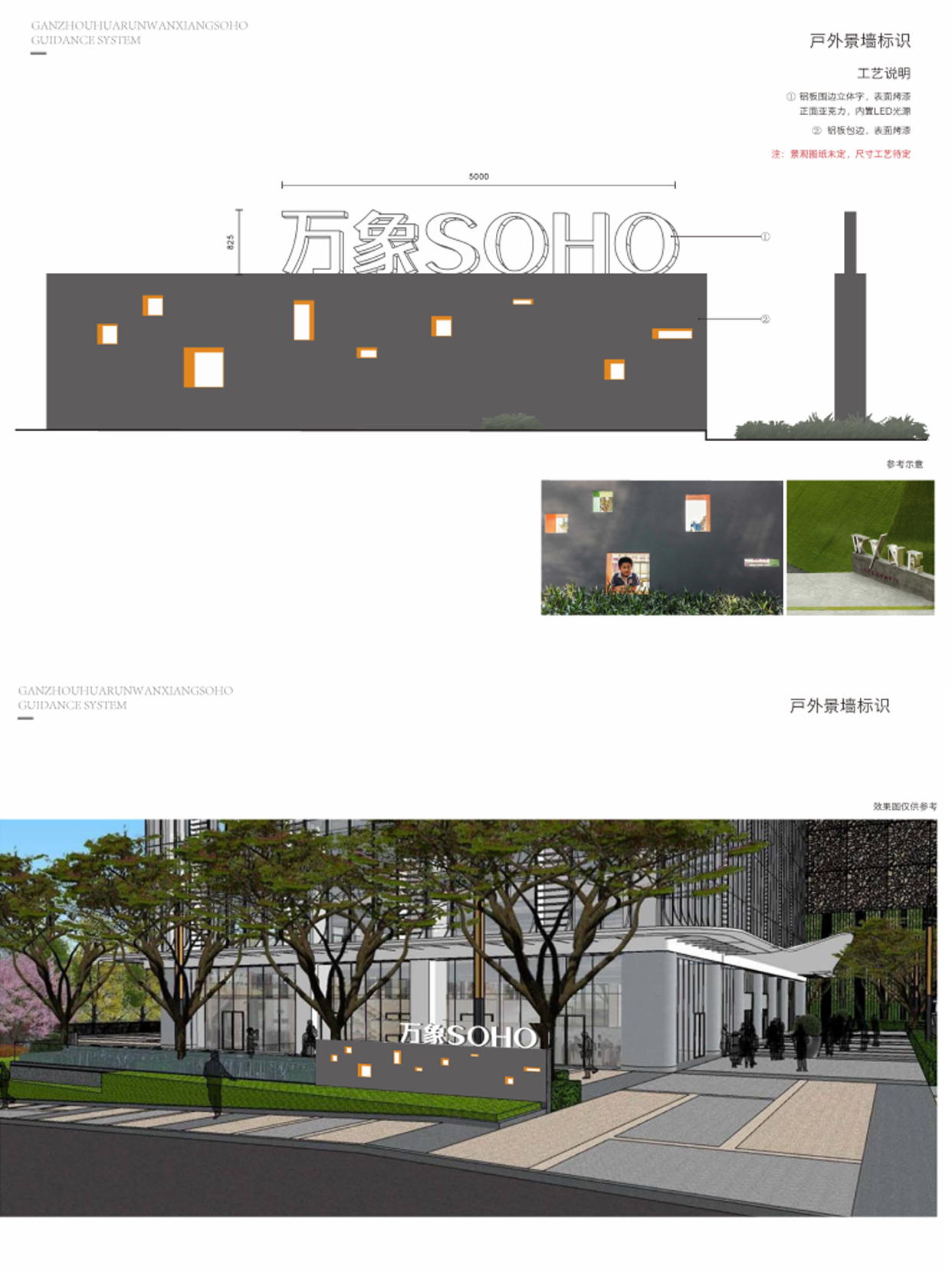
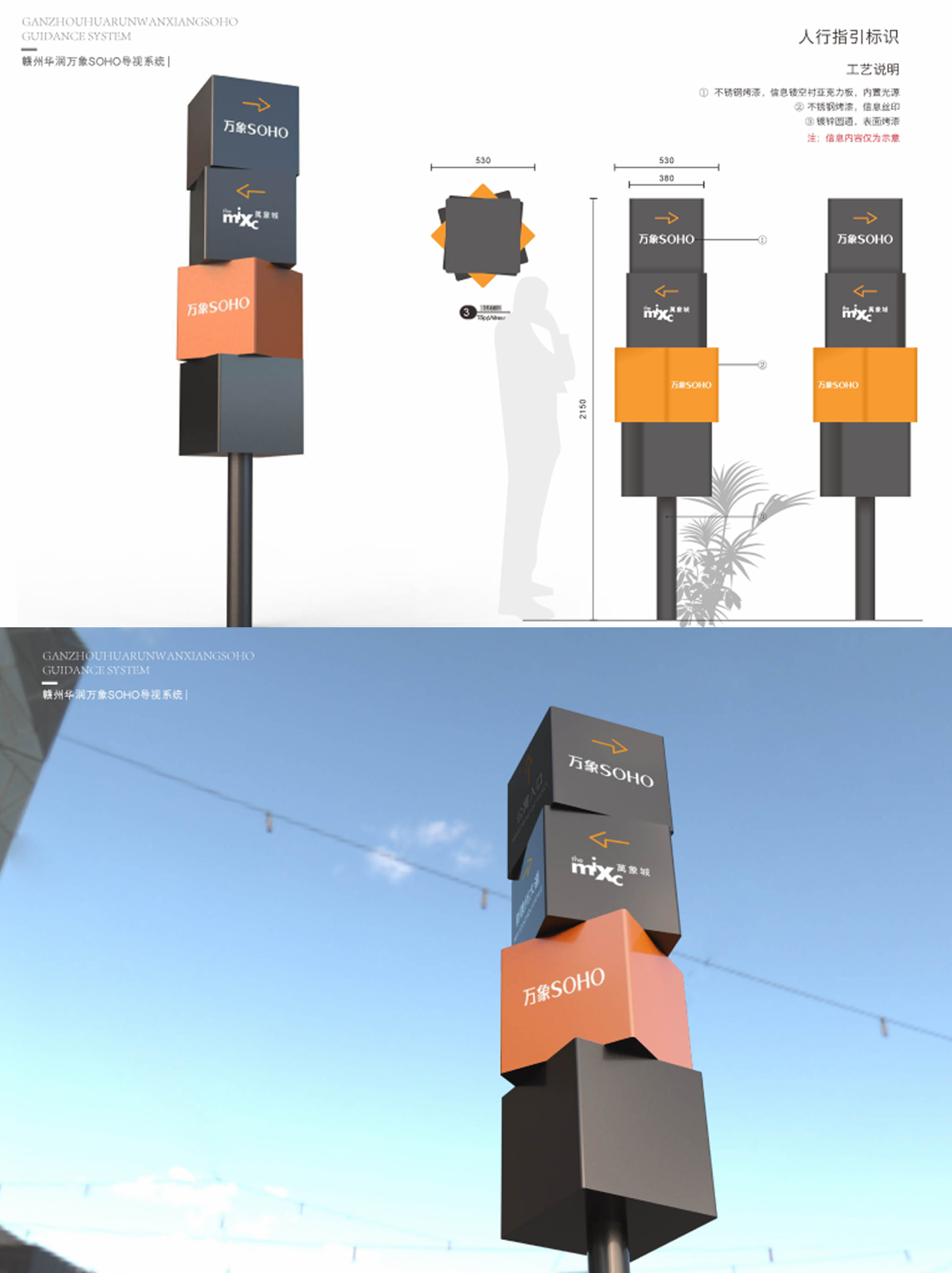
If available, provide signage drawings, a BOQ (Bill of Quantities), sign schedules, CAD drawings or architectural plans.
These documents help the manufacturer understand important information such as:
- Sign types
- Dimensions
- Quantities
- Materials
- Installation locations
- Design specifications
PDF, CAD and Excel files are commonly used for signage project communication.
If complete drawings are not yet available, sketches, floor plans, concept designs or reference images can also help communicate your requirements.
3. Sign Dimensions and Quantities
Dimensions and quantities are two of the most important factors when preparing a signage quotation.
For individual signage products, provide the approximate width, height and depth whenever possible.
For larger projects, a signage schedule or BOQ can help organize different sign types and quantities.
Accurate quantities also help the manufacturer evaluate material usage, manufacturing processes, packaging and production planning.
4. Materials and Finishes
If your design already specifies materials and finishes, include this information when requesting a quote.
Common signage materials include:
- Stainless steel
- Aluminum
- Acrylic
- Glass
- LED components
- Other architectural materials
Finishes may include painting, powder coating, brushed metal, polished metal or other customized surface treatments.
If you are unsure which material is suitable, the manufacturer can recommend options based on the design, installation environment, durability requirements and budget.
5. Installation Location and Environment
Let the manufacturer know where the signage will be installed.
Important factors may include:
- Indoor or outdoor installation
- Wall-mounted or freestanding installation
- Building façade or rooftop installation
- Exposure to rain, sunlight or humidity
- Coastal or other demanding environments
- Available mounting structure
Installation conditions can affect material selection, structural design, waterproofing and manufacturing methods.
For international projects, providing site photos or architectural drawings can also help the engineering team better understand the installation environment.
6. Lighting Requirements
If the signage requires illumination, provide information about the desired lighting effect whenever possible.
Common options include:
- Front-lit signage
- Back-lit signage
- Halo-lit letters
- Internal LED illumination
- Non-illuminated signage
Lighting requirements can affect the structure, materials, electrical components and manufacturing cost.
If you are unsure which lighting method is suitable, reference images can help communicate the visual effect you are looking for.
7. Reference Images and Design Expectations
Reference images are especially useful when a project is still in the early design stage.
You can provide:
- Architectural renderings
- Interior design concepts
- Existing signage photos
- Brand guidelines
- Inspiration images
- Previous signage designs
These references help the manufacturer understand the desired style, materials, colors and overall visual direction.
Reference images do not need to represent the final design. They can simply be used to communicate your expectations more clearly.
What If You Don't Have Complete Signage Drawings Yet?
Not every signage project begins with a complete drawing package or BOQ.
If your project is still in the planning stage, you can start by providing whatever information is currently available, such as architectural drawings, floor plans, branding guidelines, reference images or a basic list of signage requirements.
MACCAN Sign provides support for custom signage projects from early-stage design development through engineering and manufacturing.
For customized orders, our team can assist with CAD drawings and 3D visualizations based on your project requirements, helping turn initial ideas into production-ready signage solutions.
From Project Information to Signage Manufacturing
Once the project requirements are understood, the next steps may include material confirmation, engineering development, sample production, manufacturing, quality inspection, packaging and delivery.
Working with an experienced custom signage manufacturer can help coordinate these stages and reduce communication gaps between design and production.
Planning a Custom Signage Project?
Whether you already have complete signage drawings and a BOQ or are still developing your project requirements, you can start by sharing the information currently available.
Send us your drawings, project details, BOQ or reference images, and our team will review your requirements and respond within 24 hours.
How to Choose the Right Materials for Outdoor Signage
