Metal vs. Acrylic Signage: How to Choose the Right Material for Your Project
Metal vs. Acrylic Signage: How to Choose the Right Material for Your Project
Choosing the right material is an important part of any custom signage project.
Two of the most commonly used materials are metal and acrylic. Both can be used for identification signs, dimensional letters, wayfinding signage, illuminated signs and branded environments, but they offer different advantages in appearance, structure, fabrication and application.
There is no single material that works best for every project.
The right choice depends on where the sign will be installed, how it should look, whether illumination is required, the expected service environment and the overall design requirements.
Understanding these differences can help project teams make better material decisions before production begins.
1. What Is Metal Signage?
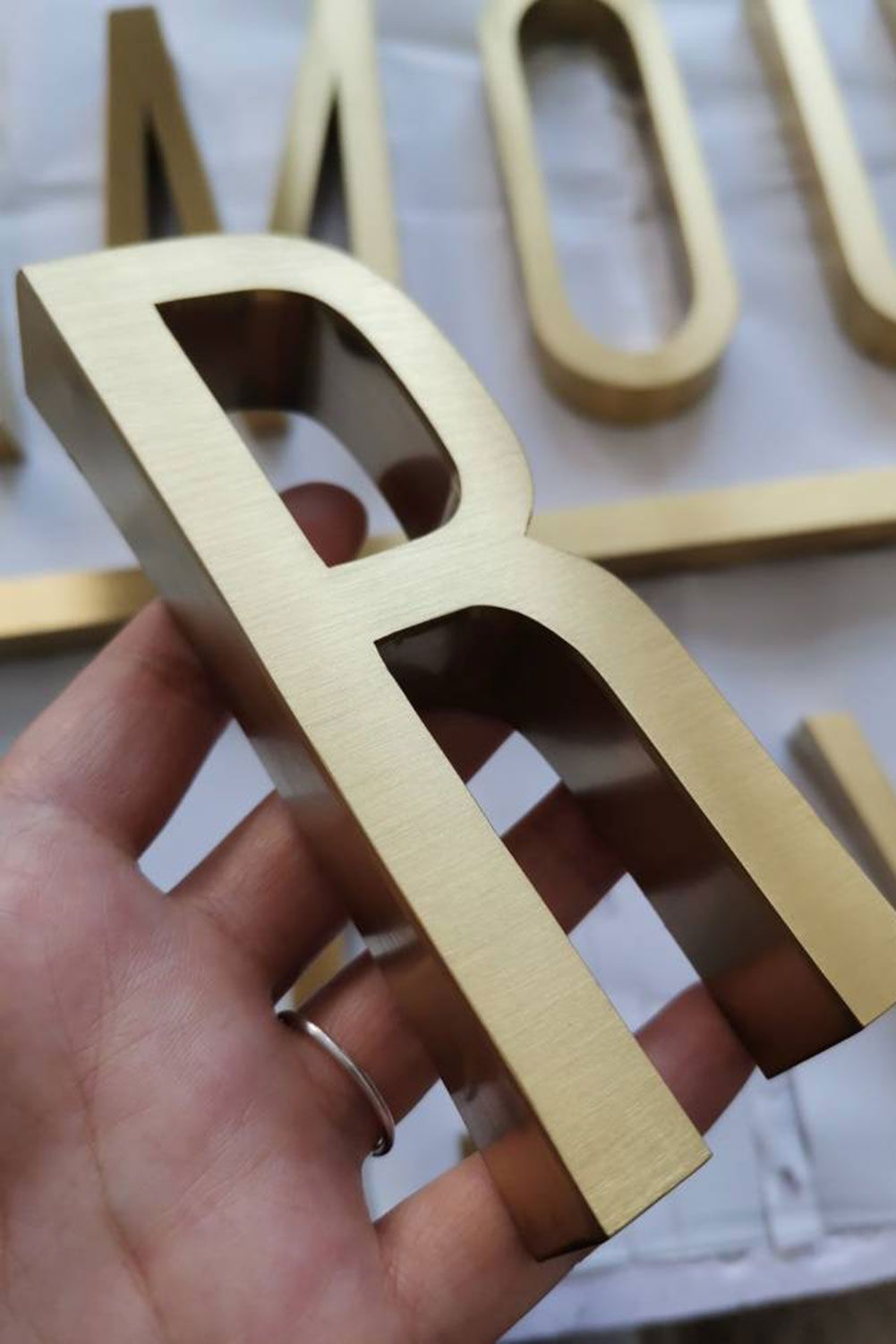
Metal is widely used in custom signage because it offers structural strength, durability and a wide range of finishing options.
Common metals used in signage manufacturing include:
- Stainless steel
- Aluminum
- Galvanized steel
- Brass and other decorative metals
Different metals can be fabricated into dimensional letters, sign cabinets, directional signs, identification signs and structural components.
Surface treatments such as brushing, polishing, painting and powder coating can also create very different visual effects.
For projects requiring a clean architectural appearance, stainless steel and aluminum are particularly common choices.
2. What Is Acrylic Signage?
Acrylic is a lightweight plastic material commonly used in both illuminated and non-illuminated signage.
It can be cut, engraved, printed, painted and fabricated into different shapes, making it particularly useful for customized signage.
Acrylic is frequently used for:
- Dimensional letters
- Logo signs
- Interior identification
- Directory panels
- Wall-mounted signs
- Illuminated sign faces
- Light boxes
One of acrylic's main advantages is its ability to transmit and diffuse light.
For this reason, it is frequently combined with LEDs in illuminated signage applications.
3. Metal vs. Acrylic: Appearance
The visual difference between metal and acrylic is often one of the first considerations during material selection.
Metal
Metal can create a more architectural and substantial appearance.
Brushed stainless steel, polished metal, painted aluminum and other finishes can work particularly well in hotels, commercial buildings, corporate environments and premium retail spaces.
Acrylic
Acrylic generally provides greater flexibility in color, transparency and illumination.
Clear, translucent, frosted and colored acrylic can all produce different visual effects.
For brand environments requiring specific colors or illuminated graphics, acrylic may offer greater flexibility.
4. Which Material Is Better for Outdoor Signage?
Outdoor signage needs to withstand environmental conditions such as sunlight, temperature changes, moisture and wind.
Metal is often selected for exterior sign structures because of its strength and durability.
Aluminum is particularly useful because it combines relatively low weight with corrosion resistance, while stainless steel may be selected where additional structural strength or a particular premium finish is required.
Acrylic can also be used outdoors, especially for illuminated sign faces and lettering, but material thickness, UV exposure, installation method and structural support should be considered.
For many outdoor signs, the most effective solution is therefore not necessarily choosing one material.
Instead, metal and acrylic are often combined within the same sign structure.
For example:
Aluminum or stainless-steel structure + acrylic illuminated face + LED modules
This type of construction combines structural support with controlled illumination.
5. Which Material Works Better for Illuminated Signage?
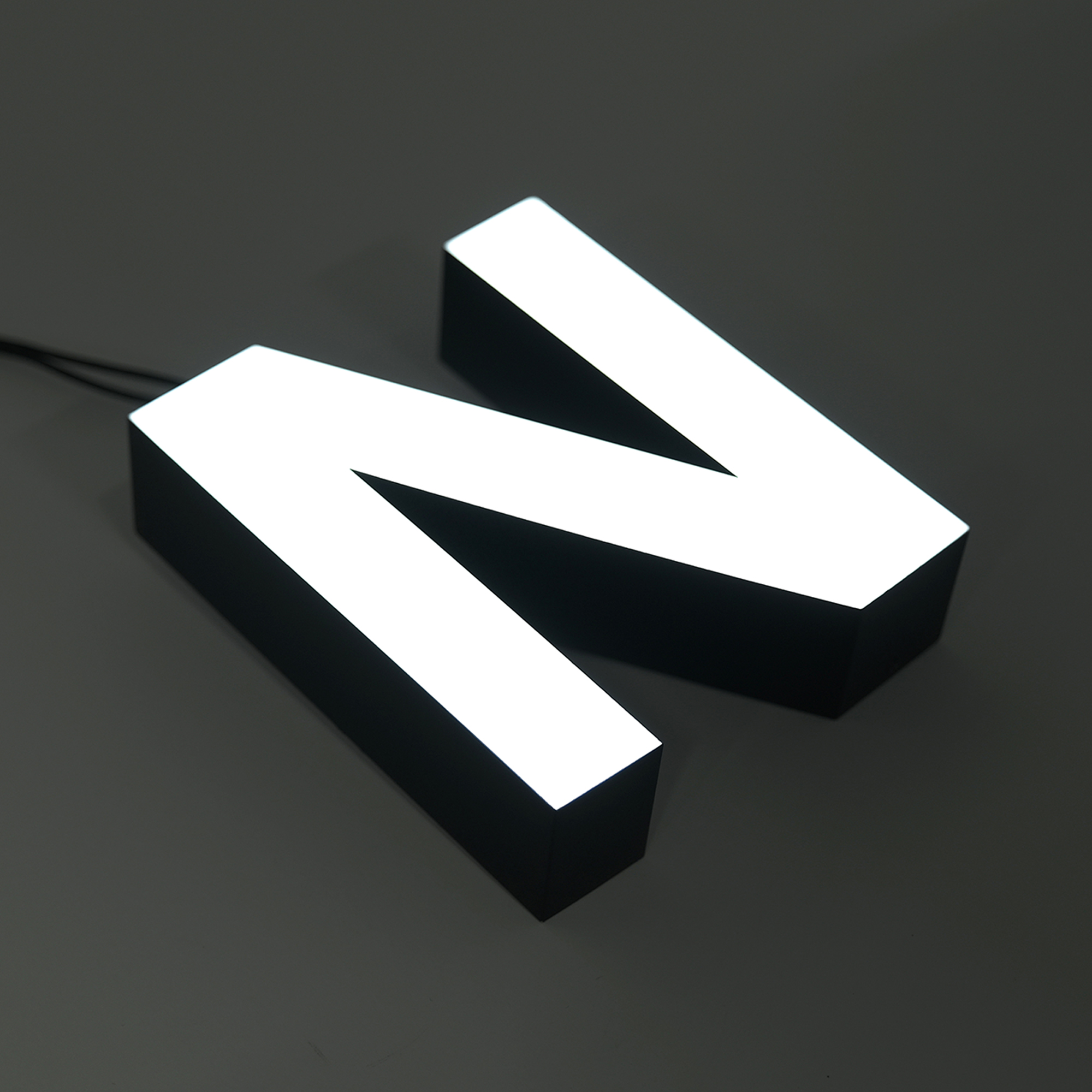
For illuminated signs, acrylic often plays an important role because of its light-transmitting properties.
It can be used to create:
- Front-lit letters
- Light boxes
- Illuminated logos
- Push-through graphics
- Different lighting effects
However, metal is also important.
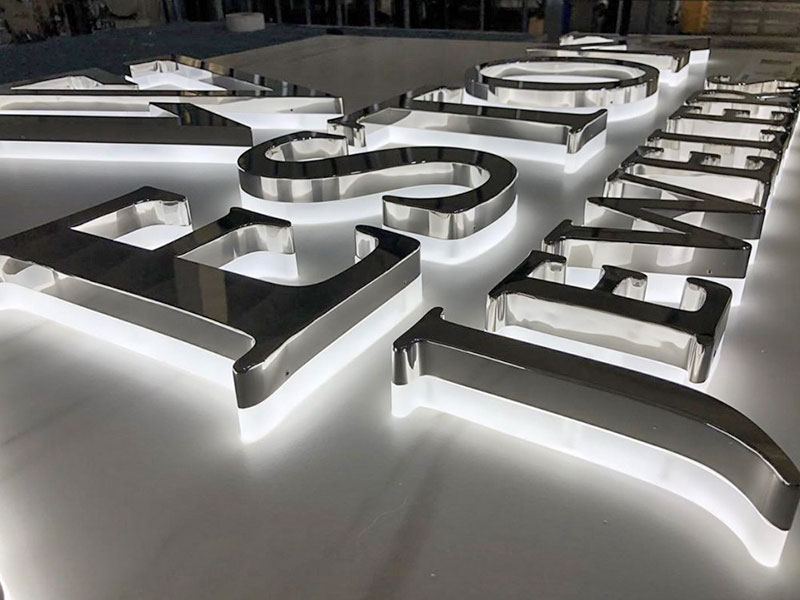
In many illuminated signs, metal forms the return, back panel, cabinet or structural component while acrylic controls how the light is displayed.
This is particularly common in channel letters and illuminated logo signage.
So rather than asking whether metal or acrylic is better for illuminated signage, it is often more useful to determine how the two materials should work together.
6. Durability and Maintenance
Durability depends on more than the material name alone.
Material grade, thickness, surface treatment, fabrication quality, installation method and environmental conditions can all affect the long-term performance of a sign.
For metal signage, appropriate finishing helps protect the surface and maintain its appearance.
For acrylic components, suitable material specifications and fabrication methods can help reduce problems associated with cracking, distortion or weather exposure.
Regular cleaning and appropriate maintenance are also important, particularly for exterior and illuminated signs.
| Consideration | Metal Signage | Acrylic Signage |
|---|---|---|
| Appearance |
|
Clean, flexible, modern |
| Structural Strength | High |
|
| Weight | Depends on metal and thickness | Generally lightweight |
| Color Options | Paint, powder coating, metal finishes | Wide range of colors and transparency |
| Illumination | Often used for structure and returns | Excellent for illuminated faces |
| Outdoor Applications | Very suitable with correct specification | Suitable depending on specification |
| Custom Shapes | Excellent fabrication flexibility | Excellent cutting and forming flexibility |
| Common Uses | Letters, structures, wayfinding, identification | Letters, logos, panels, light boxes |
8. The Best Solution May Use Both Materials
In many custom signage projects, metal and acrylic should not be considered competing materials.
They often perform different functions within the same sign.
A dimensional illuminated letter, for example, may use a fabricated aluminum or stainless-steel return combined with an acrylic face and internal LED modules.
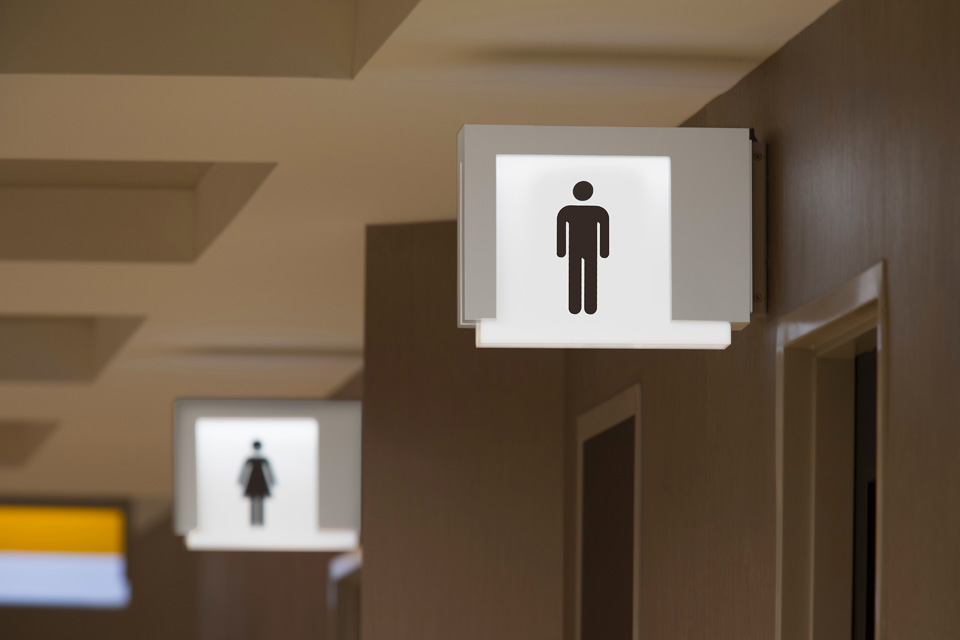
A wayfinding sign may use a metal structure with acrylic inserts or decorative elements.
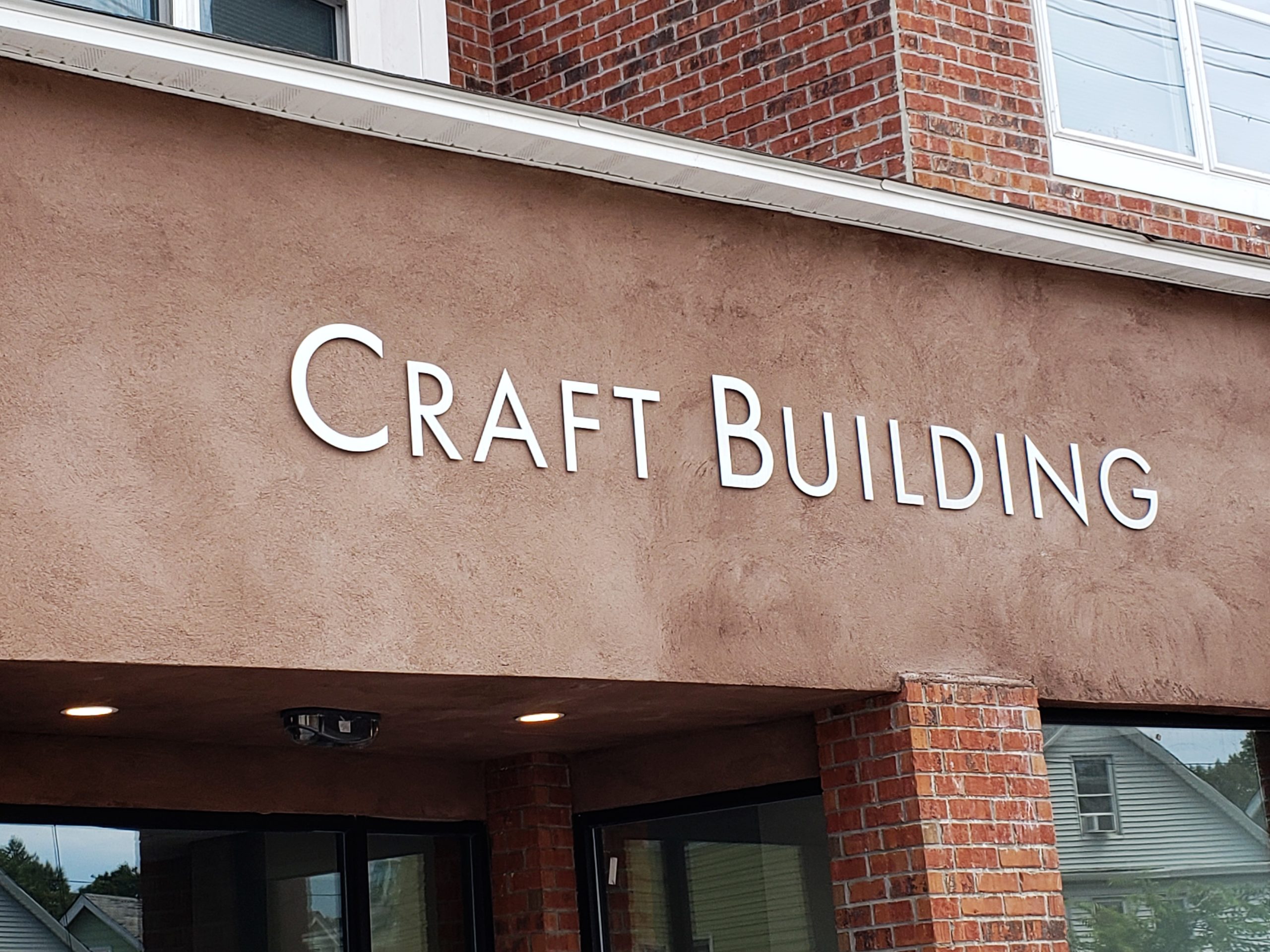
A branded wall sign may combine dimensional metal letters with illuminated acrylic components.
Caption
Combining different materials allows signage structures, finishes and illumination to be developed around specific project requirements.
This material combination gives designers and manufacturers greater flexibility when balancing appearance, structure and illumination.
9. How to Choose the Right Signage Material
Before selecting a material, consider the following questions:
Where will the sign be installed?
Indoor and outdoor environments have different requirements.
Does the sign require illumination?
Lighting method can significantly influence material selection and sign structure.
What appearance does the project require?
Architectural metal finishes and illuminated acrylic surfaces create very different visual effects.
How large is the sign?
Size can affect material thickness, weight, structure and installation.
How will the sign be installed?
Wall-mounted, freestanding, suspended and other installation methods may require different structural solutions.
What environmental conditions will the sign face?
Sunlight, rain, humidity, temperature and other conditions should be considered for exterior applications.
Material selection should therefore be made together with the overall signage design and engineering requirements.
From Material Selection to Signage Manufacturing
Selecting the material is only one step in developing a custom sign.
Material thickness, structural design, surface finishing, lighting, electrical components, mounting methods and production processes all contribute to the final result.
At MACCAN Signage, we support custom signage projects from technical development through manufacturing.
Depending on the project requirements, different materials and fabrication methods can be combined to develop signage for hotels, shopping malls, commercial buildings, healthcare facilities, schools, retail environments and other commercial spaces.
Material Selection for Wayfinding Signage
For a complete wayfinding signage system, material selection should also remain consistent with the architectural environment and the wider signage family.
Exterior directional signs, interior directories, identification signs and room signs may use different constructions while maintaining a coordinated visual language.
Need Help Choosing Materials for Your Signage Project?
Every signage project has different requirements.
Instead of selecting a material based only on appearance, it is important to consider structure, installation, environment, lighting and long-term use together.
As a custom signage manufacturer, MACCAN Signage can develop material and manufacturing solutions according to project drawings, design requirements and application environments.
Planning a custom signage project? Send us your drawings, reference images or project requirements to discuss suitable materials and manufacturing solutions.
🌐 www.maccansignage.com
📱 WhatsApp: +852 6959 3497
✉️ info@maccansignage.com