How Consistent Signage Supports Brand Identity Across Retail Chain Stores?
How Consistent Signage Supports Brand Identity Across Retail Chain Stores
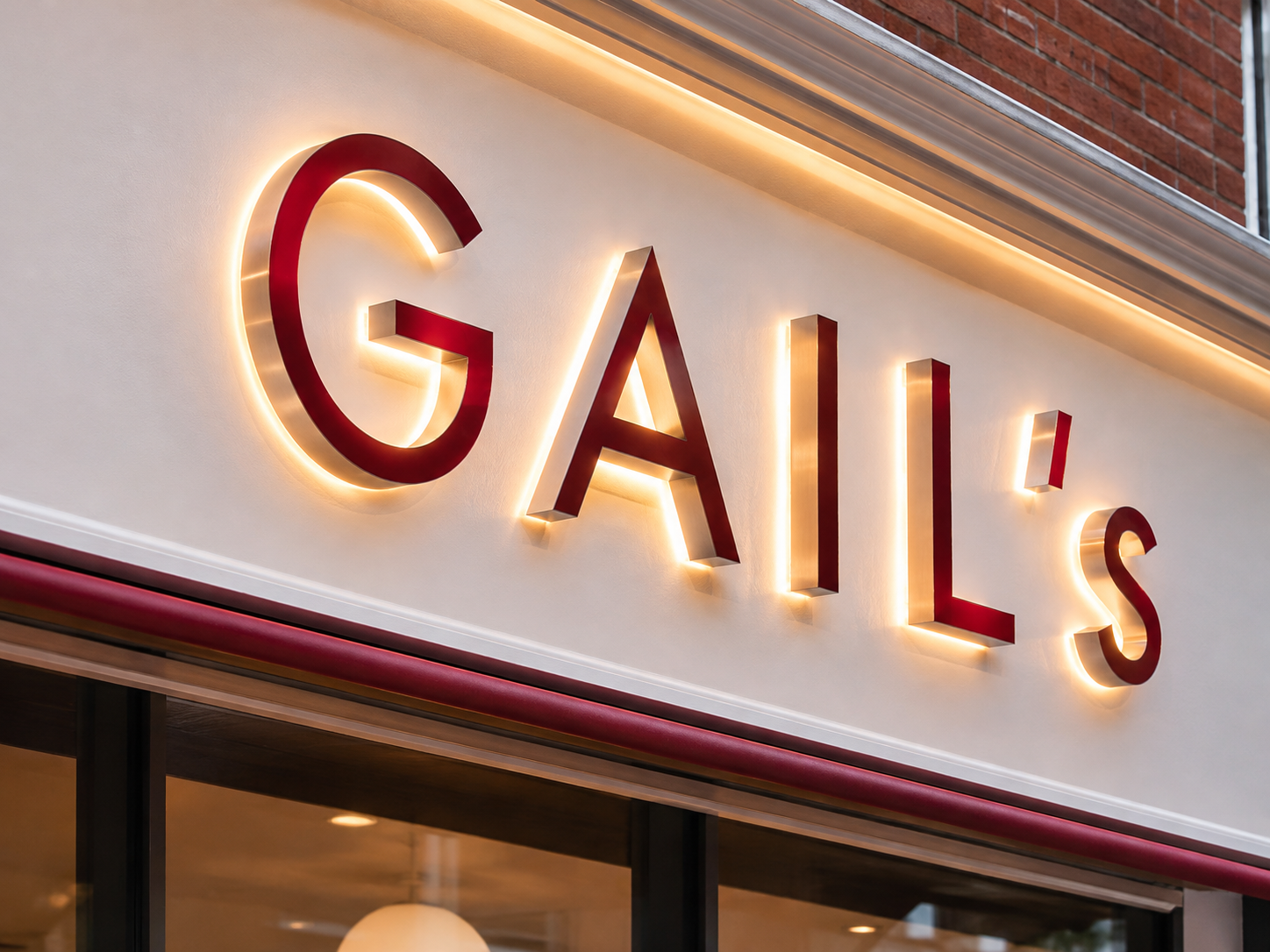
For retail chains expanding into new markets, maintaining a consistent brand identity across multiple locations is essential. From illuminated storefront lettering to interior directional signs, a well-planned chain store signage system helps businesses create recognizable retail environments while adapting to different architectural spaces.
Whether operating cafés, bakeries, supermarkets, banking branches, or specialty retail stores, businesses need signage that combines visual consistency, durability, and practical functionality.
1. Why Signage Consistency Matters for Retail Chains
A retail chain may operate stores in different cities, shopping malls, or commercial buildings. Although storefront dimensions and architectural conditions vary, customers should still be able to recognize the brand.
Consistent signage supports this goal through standardized colors, typography, materials, illumination, and installation details.
Key benefits include:
-
Brand Recognition: Consistent storefront signage makes retail locations easier to identify.
-
Professional Appearance: Unified signage specifications help maintain a coordinated brand image.
-
Customer Navigation: Clear entrance identification and interior directional signs improve the shopping experience.
-
Operational Efficiency: Standardized manufacturing specifications can simplify repeat orders and replacement signage.
For international retail chains, these factors are particularly important when expanding across different countries and commercial environments.
2. Essential Signage Types for Retail Chain Stores
A complete retail signage system may include several categories depending on the store format and customer journey.
Storefront & Brand Signs
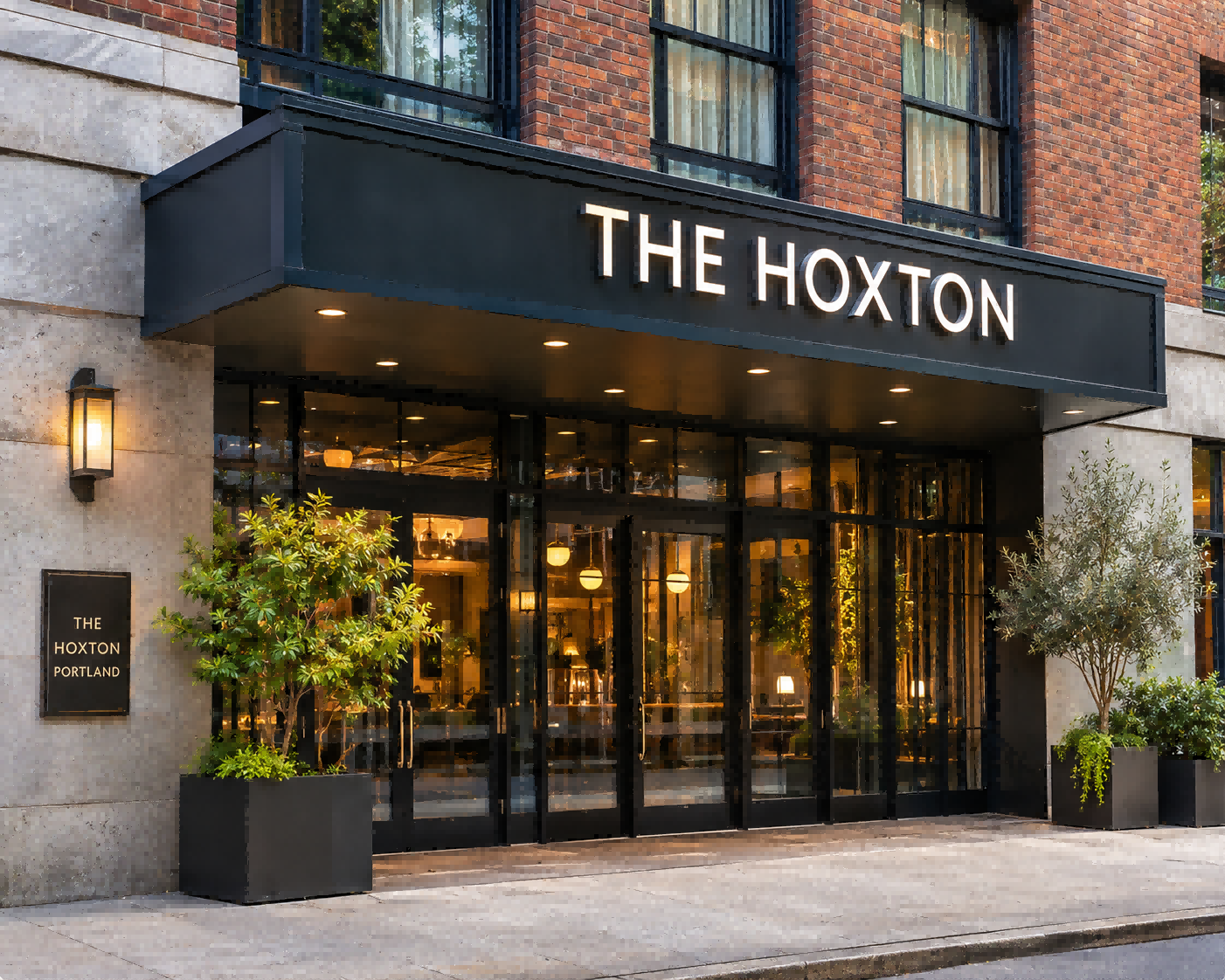
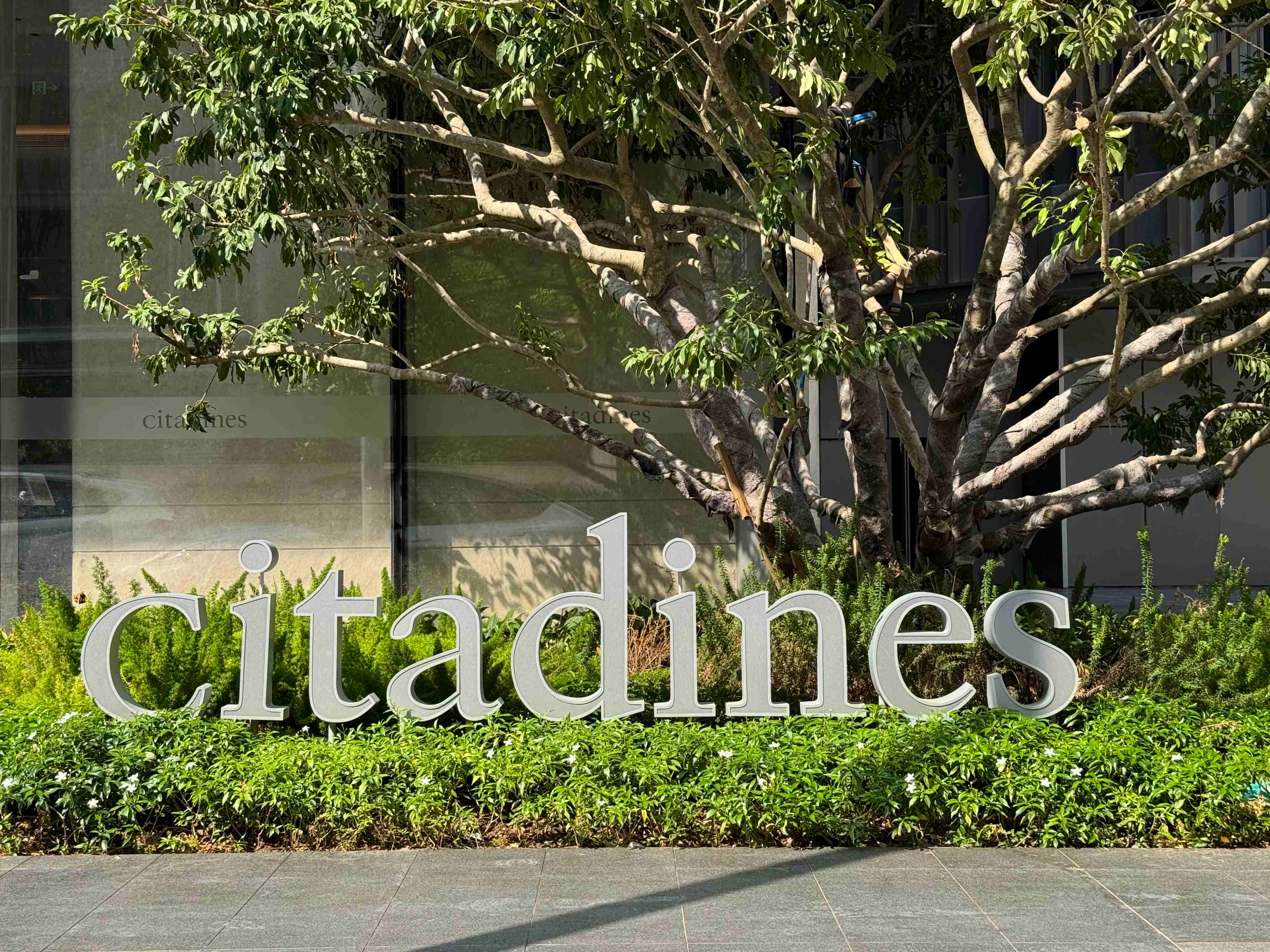
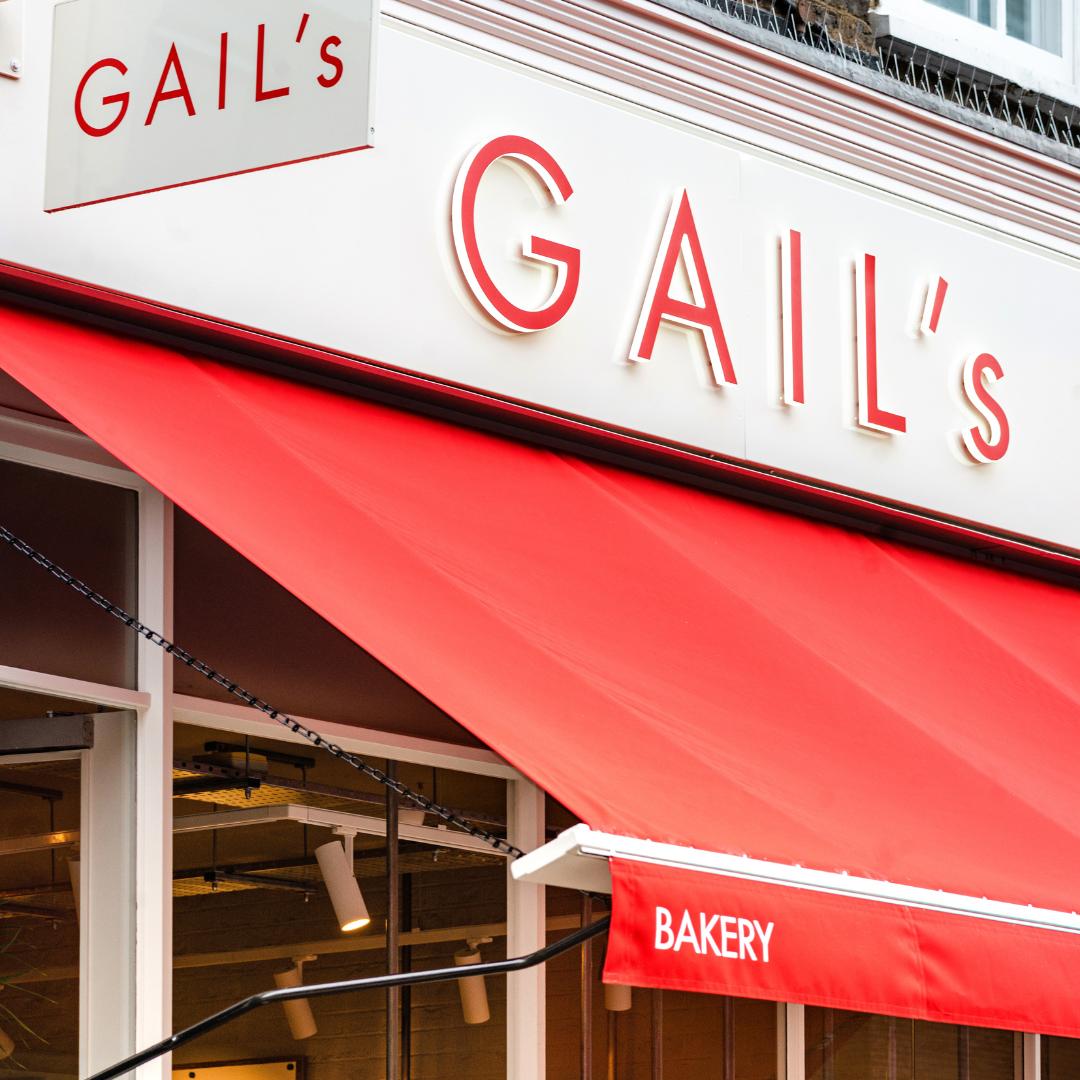
Storefront signs are among the most visible elements of retail branding. Common applications include illuminated channel letters, dimensional metal lettering, projecting signs, and architectural logo signs.
Material selection and lighting specifications should reflect the brand identity, installation environment, and local requirements.
Interior Wayfinding Signs
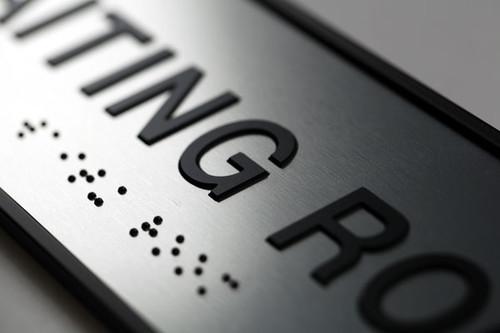
Interior signage helps customers locate entrances, service counters, product departments, checkout areas, and other facilities.
Clear typography, consistent directional symbols, and appropriate sign placement support intuitive navigation.
Promotional & Display Signs
Retail promotional signage includes illuminated lightboxes, hanging displays, and branded information panels.
These elements help communicate product categories, promotional messages, and seasonal campaigns while maintaining the overall visual identity.
Chain Store Brand Signage
For multi-location retail businesses, standardized brand signage specifications are essential.
Manufacturing drawings, approved material samples, color references, and installation guidelines help maintain consistency across different stores.
3. Manufacturing Challenges in Multi-Location Signage Projects
Unlike single-store signage projects, multi-location retail programs require careful coordination between design specifications, manufacturing processes, and installation conditions.
Common challenges include:
Different Storefront Dimensions
Each location may have different façade materials, entrance configurations, and available installation space. Signage dimensions often need to be adapted without changing the core brand identity.
Material and Color Consistency
Maintaining consistent finishes, colors, and lighting appearance across production batches requires approved samples, material specifications, and quality-control procedures.
Local Installation Requirements
Signage systems may need to accommodate different mounting surfaces, electrical requirements, and local regulations.
Replacement and Maintenance
Standardized components and manufacturing records can simplify future maintenance, replacement orders, and store renovations.
For these reasons, working with an experienced retail signage manufacturer can help businesses coordinate signage production across multiple locations.
4. Choosing Materials for Retail Storefront Signage
Different retail environments require different signage materials.
| Material | Common Applications | Main Advantages |
|---|---|---|
| Stainless Steel | Dimensional letters and architectural signs | Durable, refined appearance |
| Aluminum | Storefront lettering and sign structures | Lightweight, versatile |
| Acrylic | Illuminated letters and lightboxes | Good light transmission |
| LED Modules | Illuminated channel letters and logos | Energy-efficient illumination |
| Powder-Coated Metal | Outdoor and interior signage | Customizable finishes |
Material selection should consider exposure conditions, structural requirements, maintenance accessibility, and the desired visual appearance.
5. How Maccan Signage Supports Retail Chain Projects
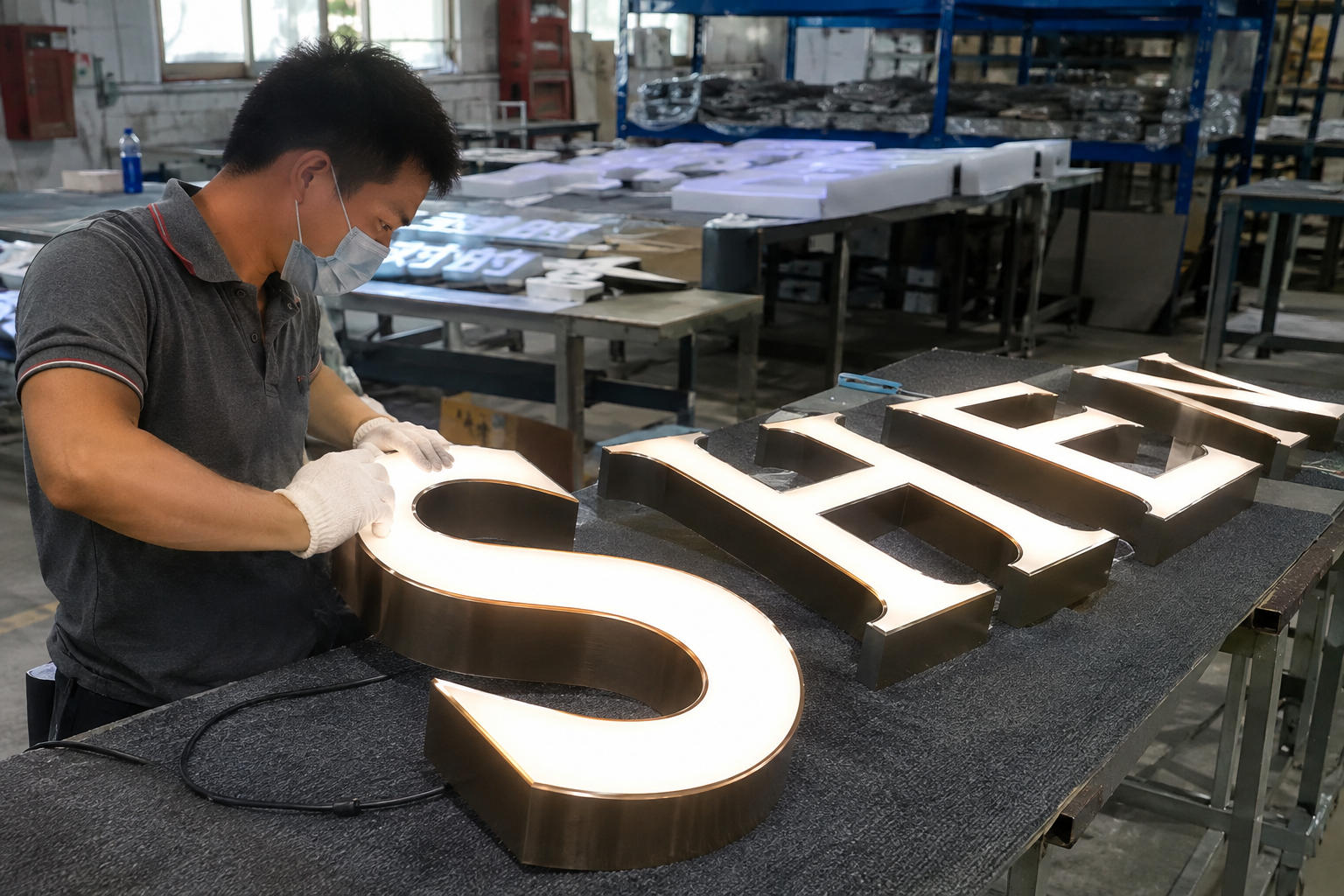
Maccan Signage provides custom signage manufacturing solutions for commercial and retail environments, including storefront signage, illuminated brand lettering, architectural signs, and interior wayfinding systems.
Our manufacturing capabilities support different project requirements, from customized samples to batch production.
For retail chain signage programs, we focus on:
-
Custom manufacturing based on approved drawings and specifications
-
Material selection and production detailing
-
Consistent fabrication and finishing
-
Sample development and batch manufacturing
-
Quality inspection, packaging, and installation guidance
By coordinating these processes, we help customers develop practical signage solutions for retail stores and multi-location commercial projects.
Explore our Retail & Chain Store Signage Projects to learn more about storefront and brand signage applications.
6. Building a Scalable Retail Signage System
A successful retail signage program should balance brand consistency with the flexibility required by individual store locations.
Before beginning production, businesses should establish clear brand specifications, approved material samples, installation requirements, and quality standards.
This approach can help reduce inconsistencies between locations and support more efficient signage production as the retail network expands.
Conclusion
Consistent signage is an important part of retail brand identity. From storefront lettering to interior wayfinding and promotional displays, a coordinated signage system supports brand recognition, customer navigation, and long-term retail operations.
For businesses planning new stores, renovations, or multi-location signage programs, Maccan Signage offers custom manufacturing solutions tailored to different commercial environments.
Planning a retail signage project?
Contact Maccan Signage to discuss your signage requirements, technical drawings, materials, and manufacturing needs.
Hotel Wayfinding Signage Systems: Materials, Manufacturing & Project Planning Guide
Complete Hospital Braille and Tactile Signage Requirements Guide
Related Article