Retail Signage for Chain Stores: How to Maintain Brand Consistency Across Multiple Locations
Retail Signage for Chain Stores: How to Maintain Brand Consistency Across Multiple Locations
For chain stores and multi-location retail brands, signage is more than a way to identify a storefront. It is an important part of how customers recognize and experience a brand.
From exterior logos and illuminated signs to interior identification, directional and information signage, every location should communicate a consistent visual identity.
However, maintaining that consistency becomes more challenging as a brand expands across different shopping malls, commercial buildings, cities or countries.
A successful retail signage rollout requires more than reproducing the same sign. It requires standardized design, adaptable engineering, consistent manufacturing and efficient project coordination.
1. Establish Clear Retail Signage Standards
The first step in a multi-location signage program is establishing clear and repeatable standards.
Important elements may include:
- Logo proportions and placement
- Brand colors and typography
- Sign dimensions
- Materials and finishes
- Illumination specifications
- Mounting methods
- Electrical requirements
These standards provide a consistent foundation for every new store.
For larger rollout projects, technical drawings, material samples and approved prototypes can also serve as references for future production.
2. Maintain Brand Consistency Across Locations
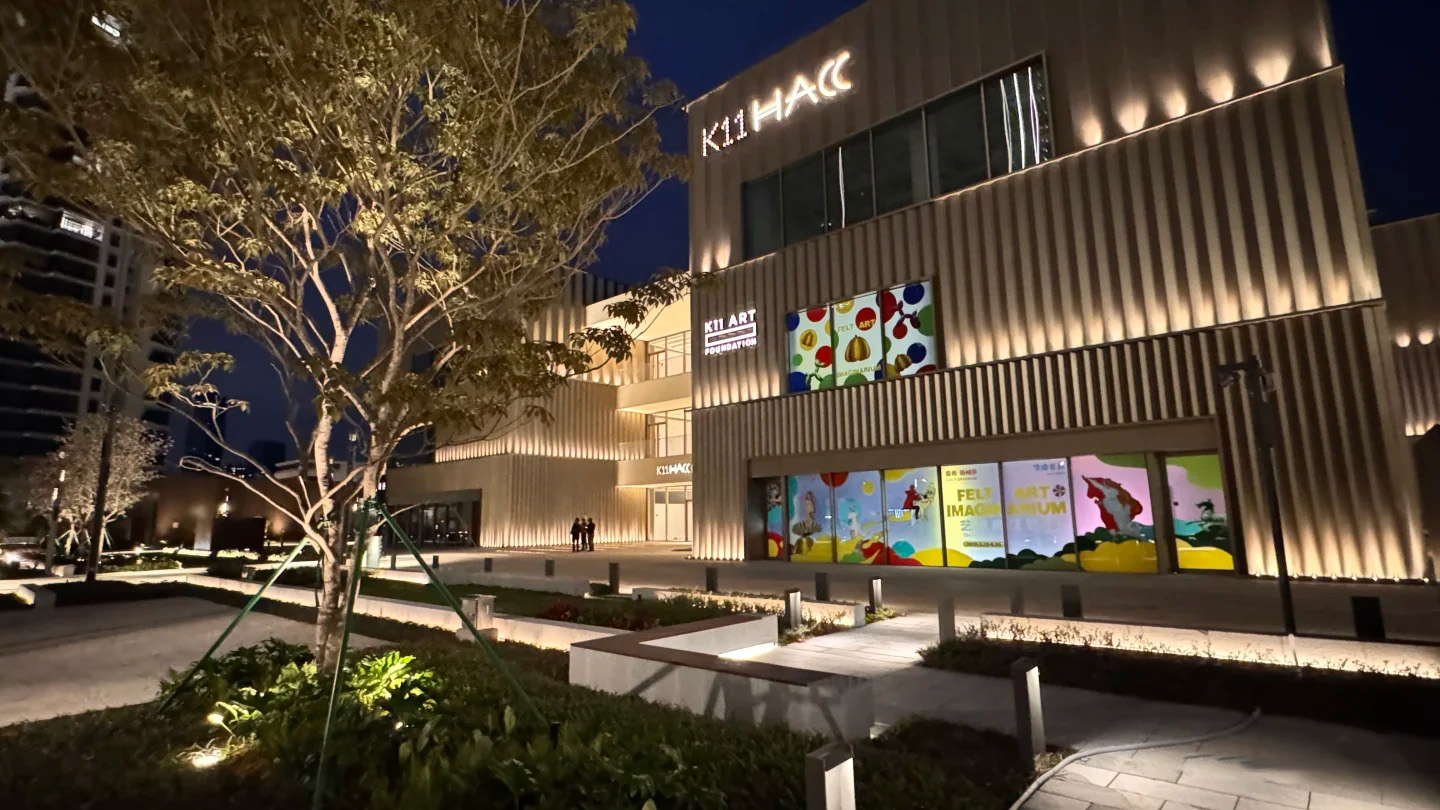
Customers should be able to recognize a brand whether they encounter it in a flagship store, shopping mall, airport or commercial complex.
That does not mean every sign needs to have exactly the same dimensions.
Different locations may have different storefront sizes, architectural conditions and landlord requirements. The challenge is to adapt the signage while preserving important brand elements.
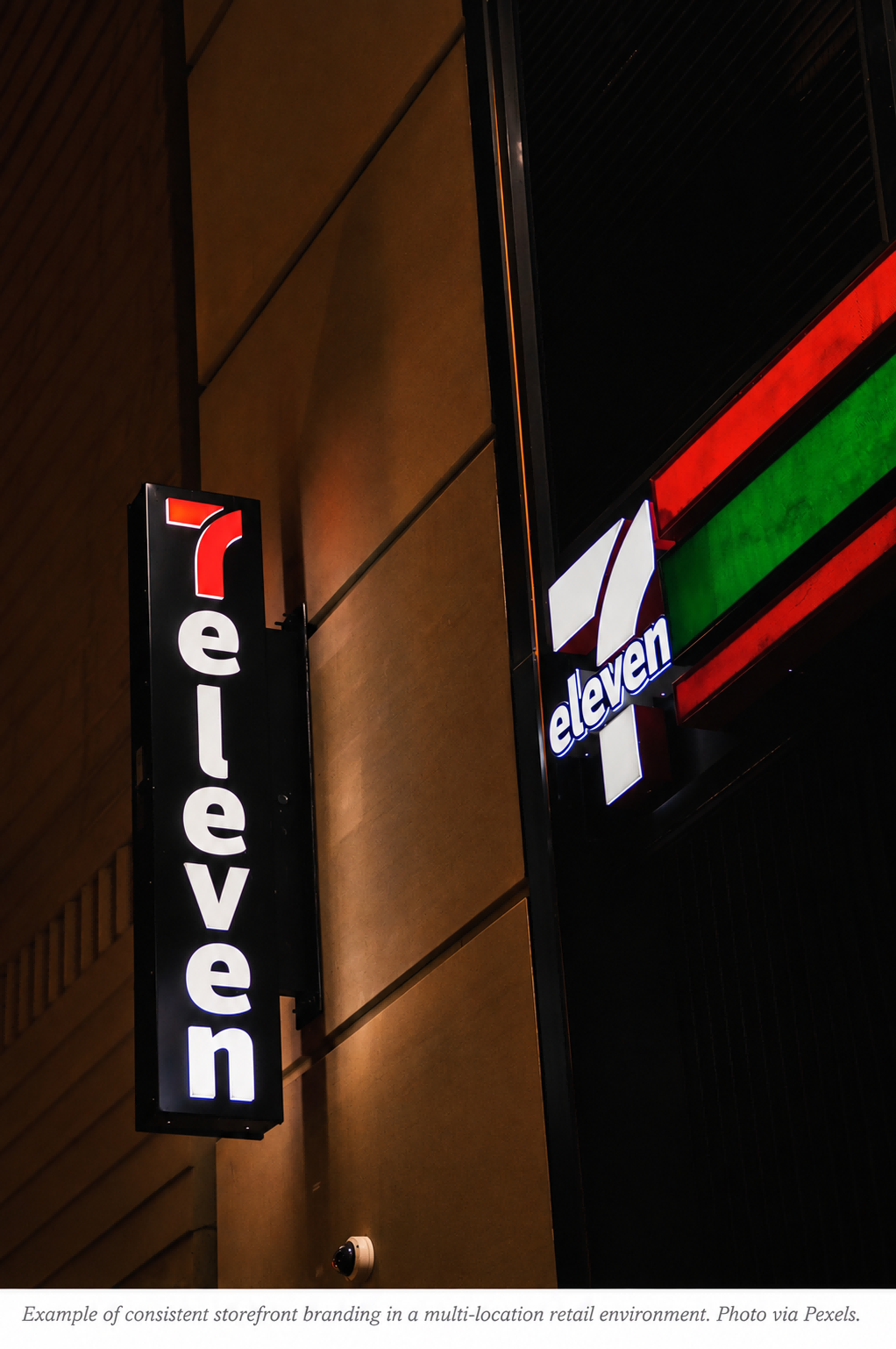
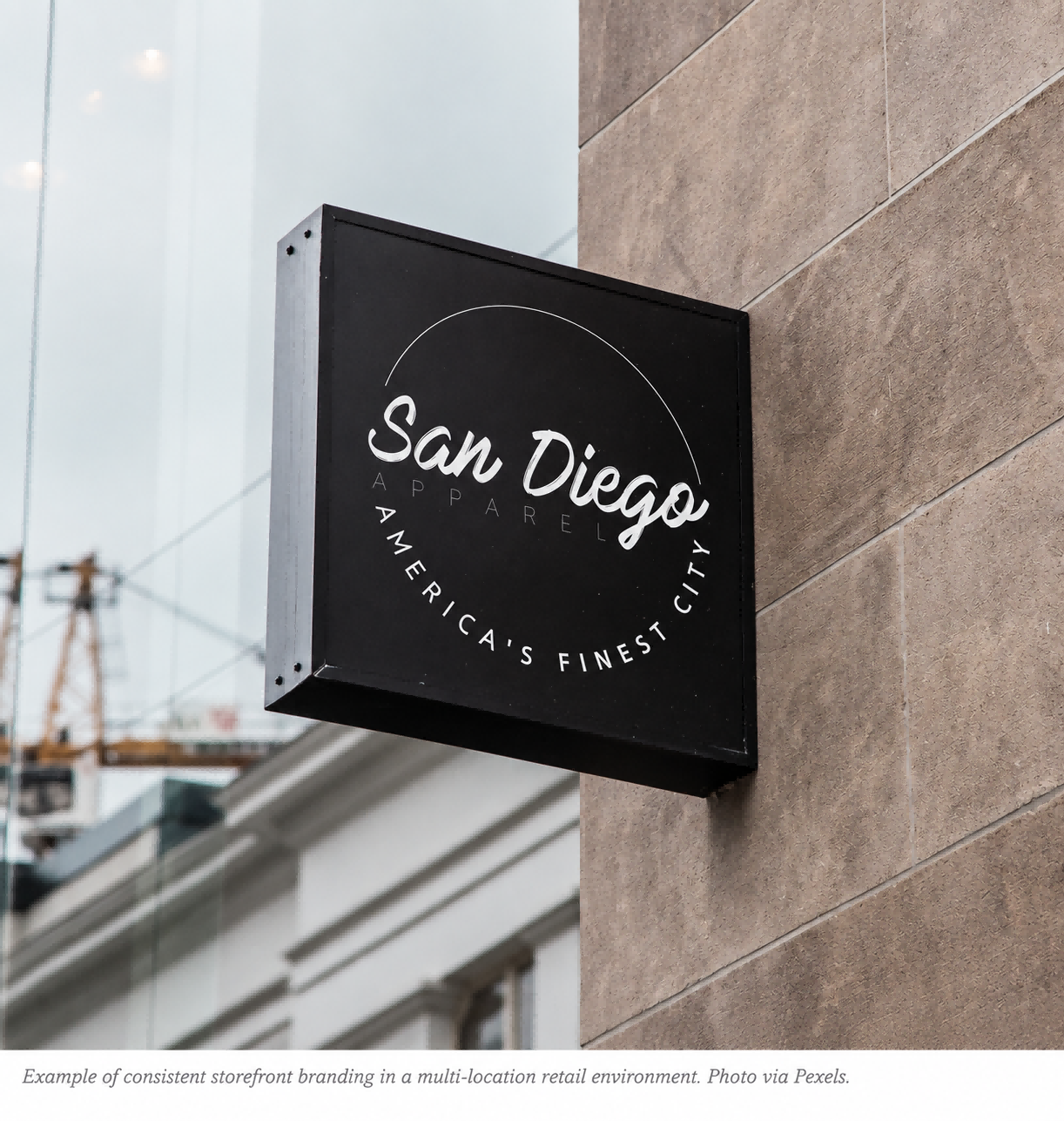
A well-managed chain store signage system maintains consistency in color, proportion, materials, illumination and overall visual language while allowing appropriate adjustments for each location.
3. Adapt Signage to Different Site Conditions
Every retail location is different.
Before production, the signage team may need to consider:
- Available installation space
- Storefront dimensions
- Viewing distance
- Wall and façade structures
- Electrical requirements
- Indoor or outdoor conditions
- Local regulations
- Shopping mall or landlord requirements
This is where engineering becomes especially important.
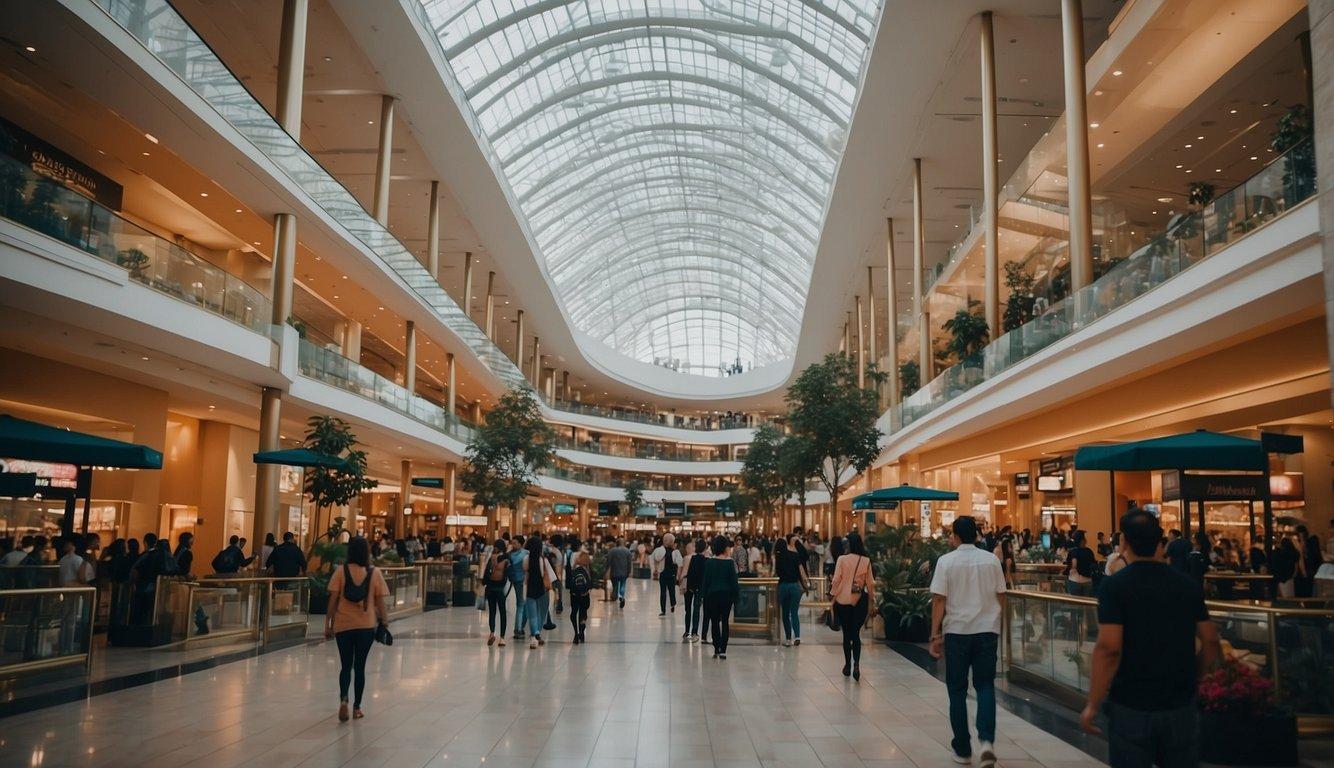
Instead of simply copying one sign from one location to another, drawings should be adapted to the actual conditions of each site while maintaining the approved brand standard.Clear wayfinding can also help customers navigate complex retail environments more efficiently.
4. Standardize Materials and Manufacturing
For a multi-location rollout, even small production differences can become noticeable when signs are installed across dozens of stores.
Material and production specifications should therefore be clearly defined.
For example, projects may standardize:
- Stainless steel or aluminum specifications
- Paint and powder-coating colors
- Acrylic types and thicknesses
- LED modules and color temperature
- Surface finishes
- Electrical components
- Packaging methods
Standardized manufacturing helps reduce variation between production batches and makes future expansion easier to manage.
5. Use Prototypes and Samples Before Rollout
For larger retail signage programs, prototypes can help identify potential problems before mass production begins.
A prototype or first-article sample allows the project team to review:
- Overall dimensions
- Colors and finishes
- Logo proportions
- Illumination
- Material combinations
- Installation details
- Visual appearance

Once approved, the sample can become a quality reference for subsequent locations.
This is particularly valuable when dozens or hundreds of signs need to maintain the same appearance.
6. Build an Efficient Signage Rollout Process
When a brand opens multiple locations within a short period, signage production needs to follow a repeatable and scalable process.
A typical rollout may include:
Site Information → Design Adaptation → Technical Drawings → Material Confirmation → Prototype → Production → Quality Inspection → Packaging → Delivery → Installation Support
A standardized workflow makes it easier to manage multiple locations simultaneously, reduce communication errors and maintain consistent production standards.
It also helps developers, contractors, procurement teams and brand managers understand the status of each location.
7. Quality Control Should Be Consistent Too
Brand consistency depends not only on design but also on manufacturing quality.
Before shipment, each batch of retail signage should be checked for key requirements such as:
- Dimensions
- Color accuracy
- Surface finish
- Illumination
- Electrical components
- Assembly
- Structural details
- Packaging
For rollout projects, maintaining approved samples, drawings and inspection standards can help ensure that later production batches remain consistent with earlier locations.
From One Store to a Multi-Location Signage Rollout
As retail brands expand, signage needs to remain recognizable and consistent without ignoring the unique conditions of each location.
An effective retail signage program combines:
Brand Standards + Site Adaptation + Engineering + Consistent Manufacturing + Quality Control + Rollout Management
At MACCAN Signage, we support customized signage and wayfinding projects for retail brands and chain stores, from design development and engineering to manufacturing, quality inspection and global delivery.
Whether you are preparing signage for a flagship location or planning a multi-location rollout, our team can work from your brand guidelines, drawings, BOQ and project specifications to develop a scalable signage solution.
Planning a Retail or Chain Store Signage Project?
Send us your drawings, brand guidelines, BOQ or project requirements to discuss your signage solution.
Website: www.maccansignage.com
Email: info@maccansignage.com
WhatsApp: +852 6959 3497
What Types of Signage Are Used in Shopping Malls?
Related Article