Hospital Wayfinding Signage: How to Improve Navigation in Healthcare Facilities
Hospital Wayfinding Signage: How to Improve Navigation in Healthcare Facilities
Hospitals and healthcare facilities are among the most complex environments for wayfinding. Patients, visitors, medical staff and service personnel often need to navigate multiple buildings, departments, floors and treatment areas—sometimes under stressful or time-sensitive conditions.
An effective hospital wayfinding signage system helps people understand where they are, where they need to go and how to reach their destination efficiently. From exterior identification signs to departmental directories and room signs, each element should work together as part of a clear and consistent navigation system.
Why Is Hospital Wayfinding Signage Important?
Unlike many commercial environments, visitors to healthcare facilities may be unfamiliar with the building and may already be experiencing stress or anxiety.
Clear signage can help reduce confusion, minimize unnecessary walking and make it easier for patients and visitors to locate important destinations.
A well-planned hospital wayfinding system should therefore consider not only visual design, but also visitor circulation, decision points, accessibility and the overall patient experience. Clear navigation can also help improve the overall visitor experience, particularly in unfamiliar or complex environments.

1. Exterior and Entrance Signage
Effective wayfinding begins before visitors enter the building.
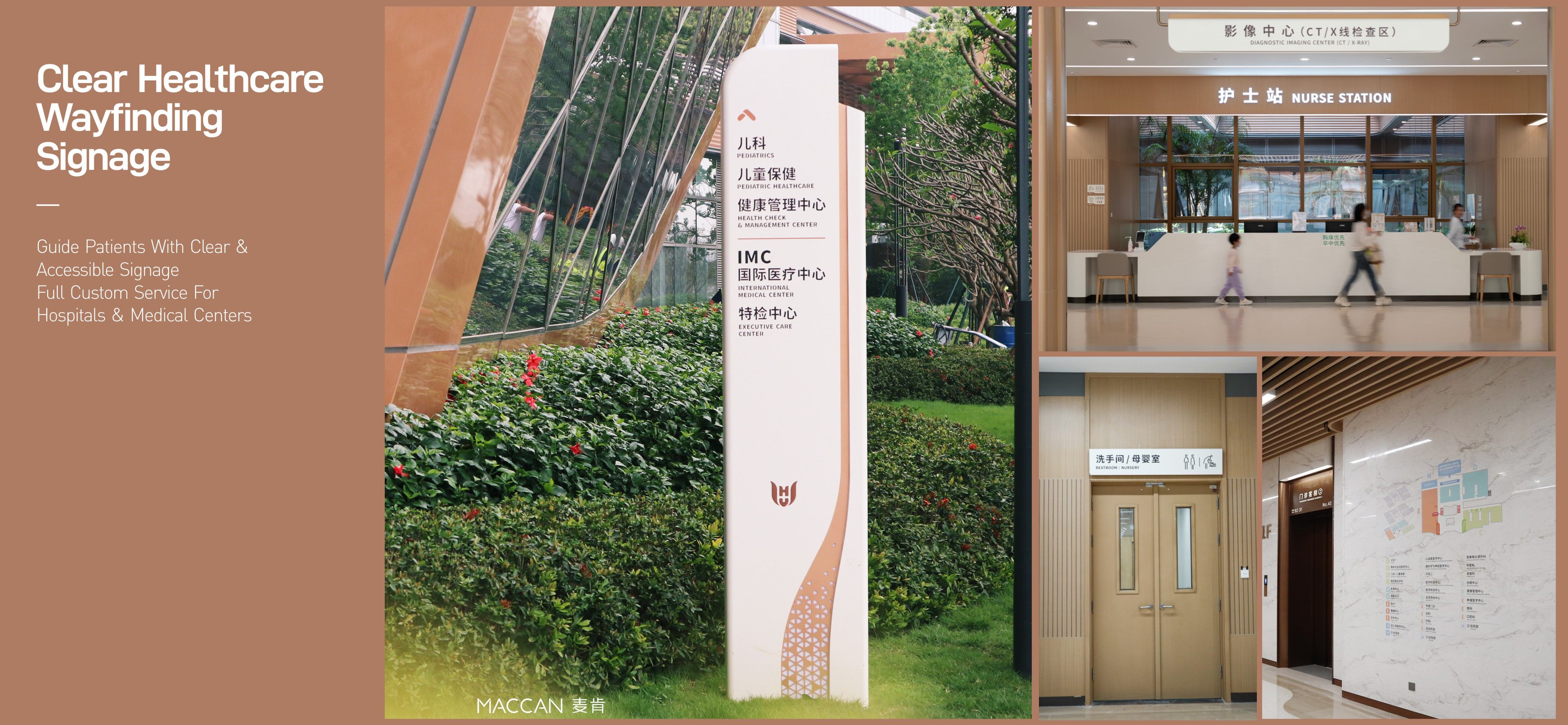
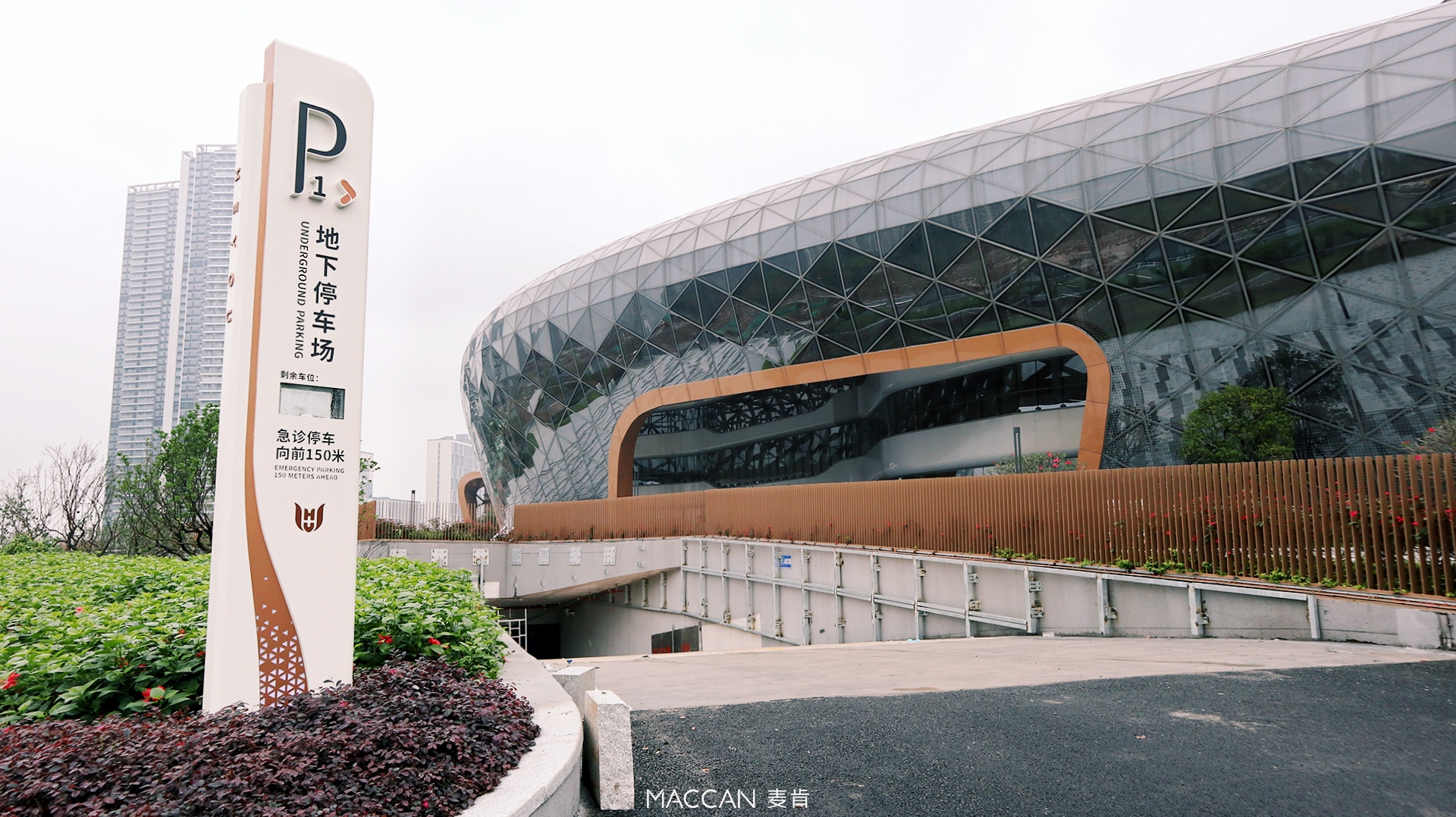
Exterior signs can identify hospital entrances, emergency departments, outpatient areas, parking facilities and drop-off zones.
Entrance signage should be clearly visible from major pedestrian and vehicle routes so visitors can quickly identify the correct destination.
2. Lobby Directories and Information Signs
Hospital lobbies are major decision points.
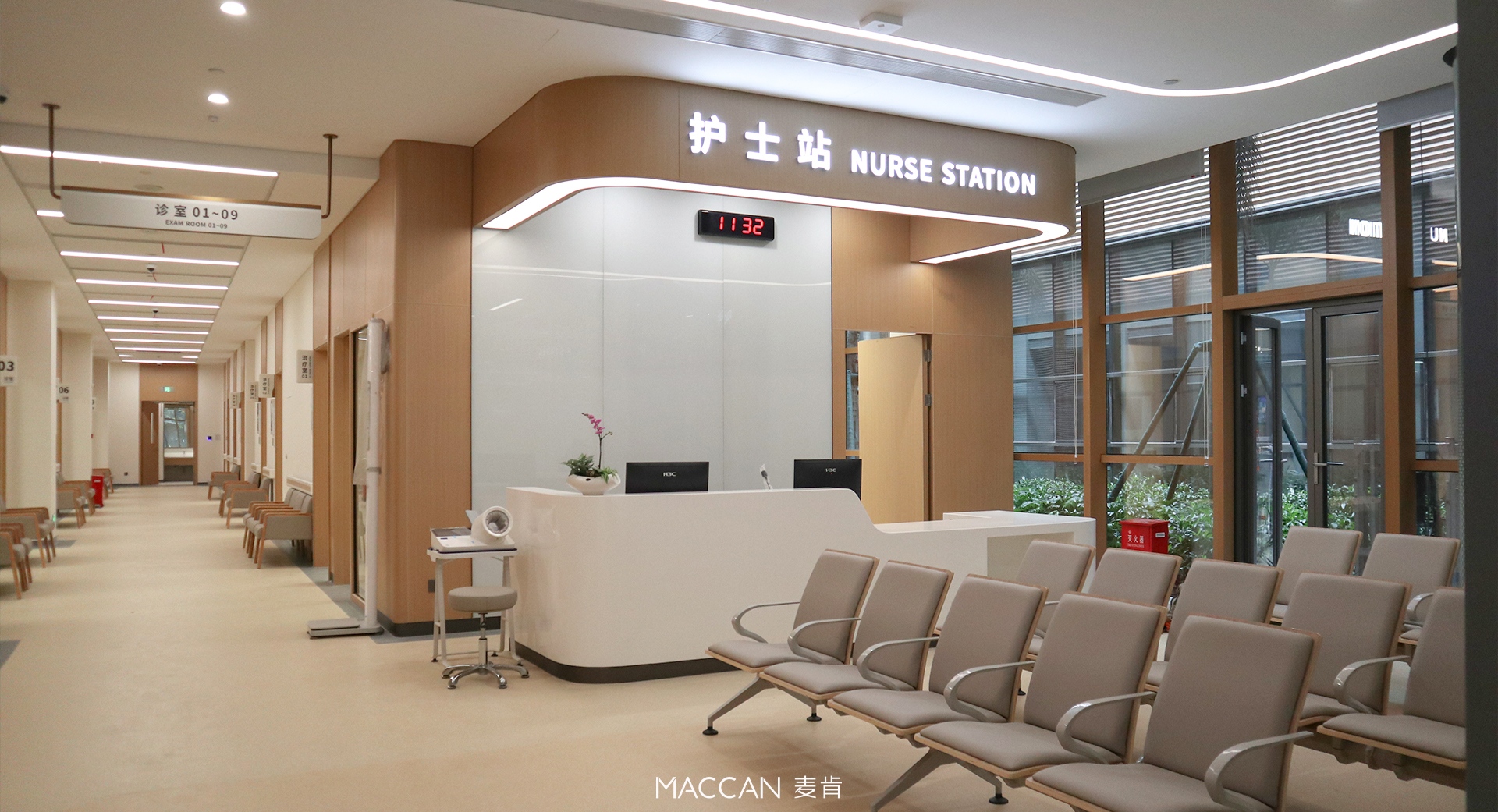
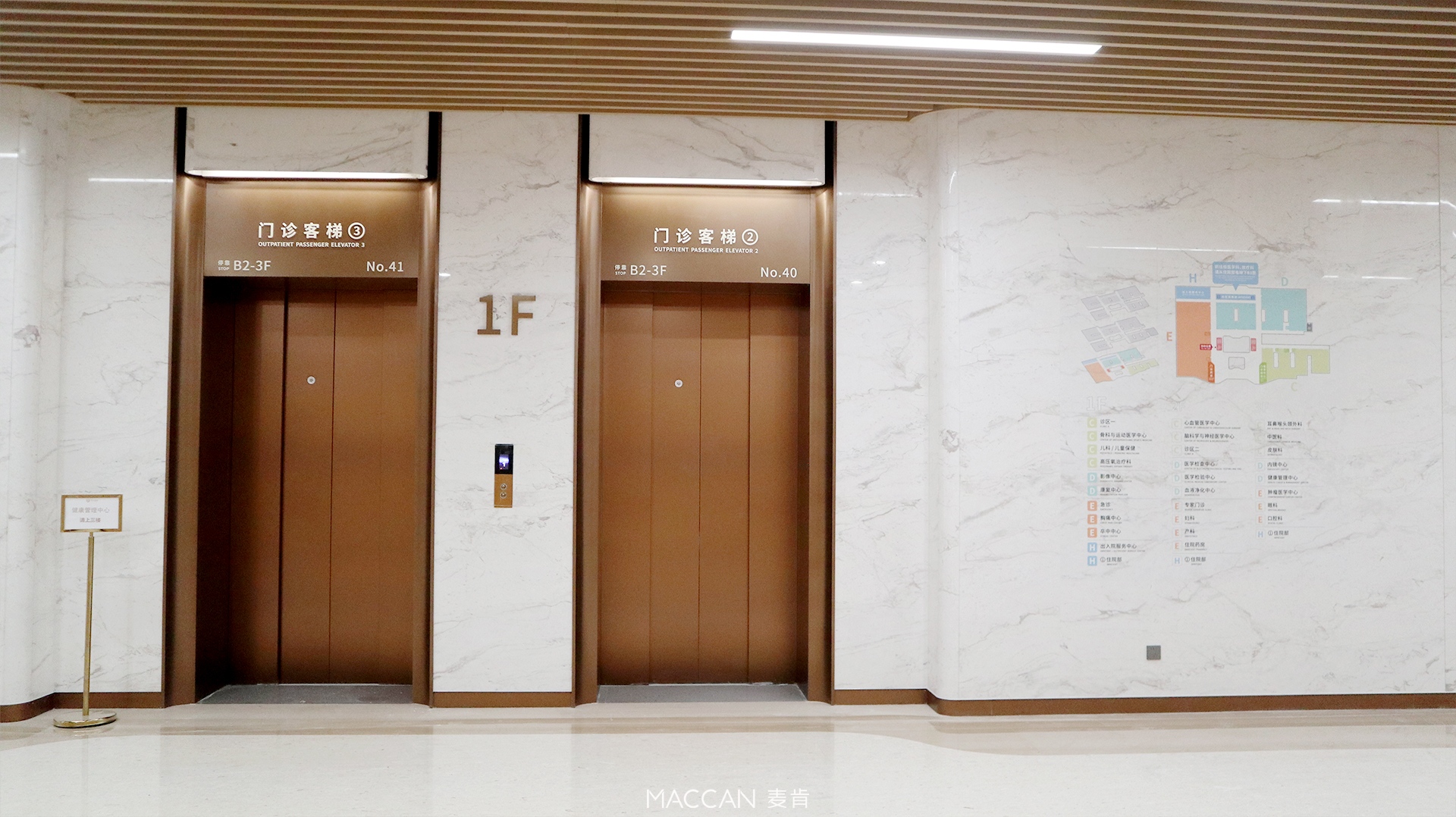
Directory signage can help visitors understand the overall building layout and locate departments, clinics, elevators, registration areas and other important facilities.
Information should be organized using a clear hierarchy so visitors can quickly identify the information most relevant to their journey.
3. Department and Clinic Identification
Hospitals often contain numerous departments and specialist clinics.
Clear identification signs help distinguish areas such as radiology, pharmacy, laboratories, outpatient clinics and diagnostic departments.
Consistent typography, terminology, colors and symbols can make these destinations easier to recognize throughout the facility.
4. Directional Wayfinding Signs
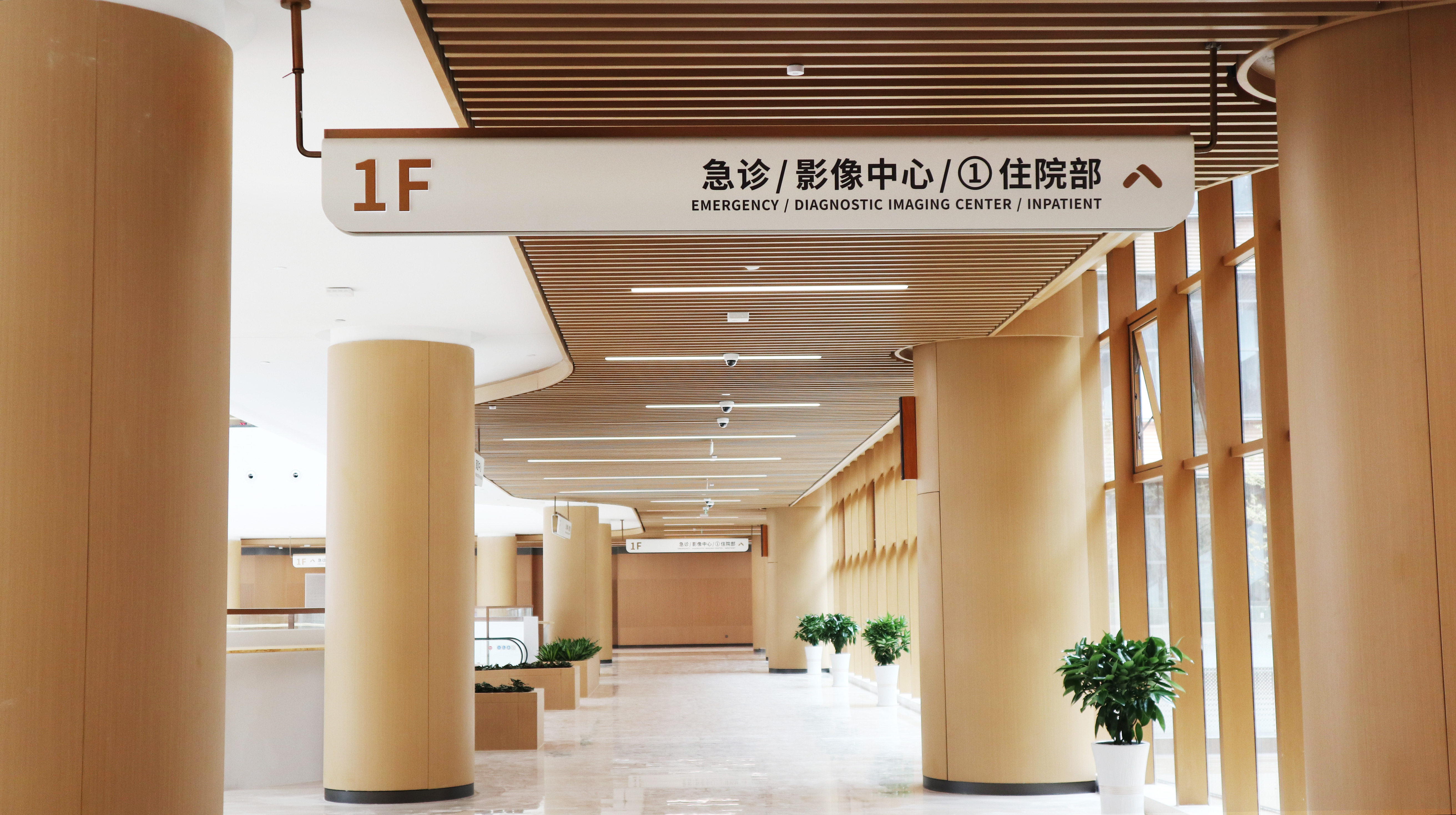
Directional signs guide people between entrances, corridors, elevators, departments and treatment areas.
They should be installed before key decision points, giving visitors enough time to understand the information and choose the correct route.
This principle is important across many complex environments. Our guide on choosing the right wayfinding signage for commercial projects also explains how sign placement should follow actual circulation paths and user navigation needs.
5. Room and Facility Identification Signs
Room identification signs help patients, visitors and staff identify consultation rooms, wards, treatment rooms, offices, restrooms and other facilities.
These signs should remain visually consistent with the overall healthcare signage system while providing clear and concise information at close viewing distances.
6. Emergency and Safety Signage
Emergency departments and safety-related areas require particularly clear communication.
Emergency identification, evacuation information and safety signs should be easy to recognize and positioned where users can see them quickly.
Local regulations, accessibility requirements and project-specific safety standards should also be considered during signage planning.
Accessibility in Healthcare Wayfinding
Accessibility is an essential part of healthcare signage design.
Depending on the project location and applicable standards, signage may need to consider high visual contrast, readable typography, appropriate mounting heights, internationally recognizable pictograms, tactile information or Braille.
Good healthcare wayfinding should support as many users as possible, including elderly visitors and people with visual, mobility or cognitive difficulties.
Accessibility requirements may vary by market, so project teams should always follow applicable local regulations and accessibility standards.
Creating a Consistent Hospital Wayfinding System
Individual signs should not be designed in isolation.
A successful system uses consistent visual rules across exterior signage, directories, directional signs, department identification and room signs.
Color coding can also be useful in large healthcare facilities, particularly when different buildings, floors or departments need to be distinguished.
The objective is to create a navigation experience that feels predictable from the moment a visitor arrives until they reach their destination.
From Wayfinding Design to Signage Manufacturing
An effective wayfinding concept also needs to be translated into signage that can be manufactured, installed and maintained reliably.
Material selection, fabrication methods, surface finishes, illumination, mounting structures and installation conditions should therefore be considered during the engineering stage.
At MACCAN Signage, we provide custom signage and wayfinding solutions for healthcare and other complex environments, supporting projects from engineering and manufacturing through quality inspection and delivery.
Choosing a Healthcare Signage Manufacturer
For healthcare projects, signage manufacturers often need to work closely with architects, designers, contractors and project teams.
When selecting a manufacturing partner, consider experience with customized signage, engineering capability, material processing, quality control and the ability to manage multiple signage types within one project.
You can also explore our Healthcare Signage Solutions to learn more about signage and wayfinding systems for hospitals, clinics and medical facilities.
Conclusion
Hospital wayfinding signage plays an important role in creating healthcare environments that are easier to understand and navigate.
By combining clear information hierarchy, strategic sign placement, consistent visual language and suitable materials, healthcare facilities can create more efficient navigation experiences for patients, visitors and staff.
For large or customized healthcare projects, considering wayfinding design, engineering and signage manufacturing together from an early stage can also help improve consistency throughout the project.
Airport Wayfinding Signage: A Complete Guide to Effective Passenger Navigation