Commercial Building Wayfinding Signage: Creating a Clear Visitor Journey
Commercial Building Wayfinding Signage: Creating a Clear Visitor Journey
Modern commercial properties can be complex environments.
A visitor may need to identify the correct property, find a building, enter a parking area, follow a pedestrian route and locate the right entrance — all before reaching their final destination.
A well-planned commercial building wayfinding system helps connect each of these steps into a clear and consistent journey.
Rather than treating signs as individual objects, effective wayfinding considers how people move through the entire property. From large exterior identification signs to smaller pedestrian directionals, each sign has a specific role in helping visitors understand where they are and where they need to go.
1. Property Identification Creates the First Landmark
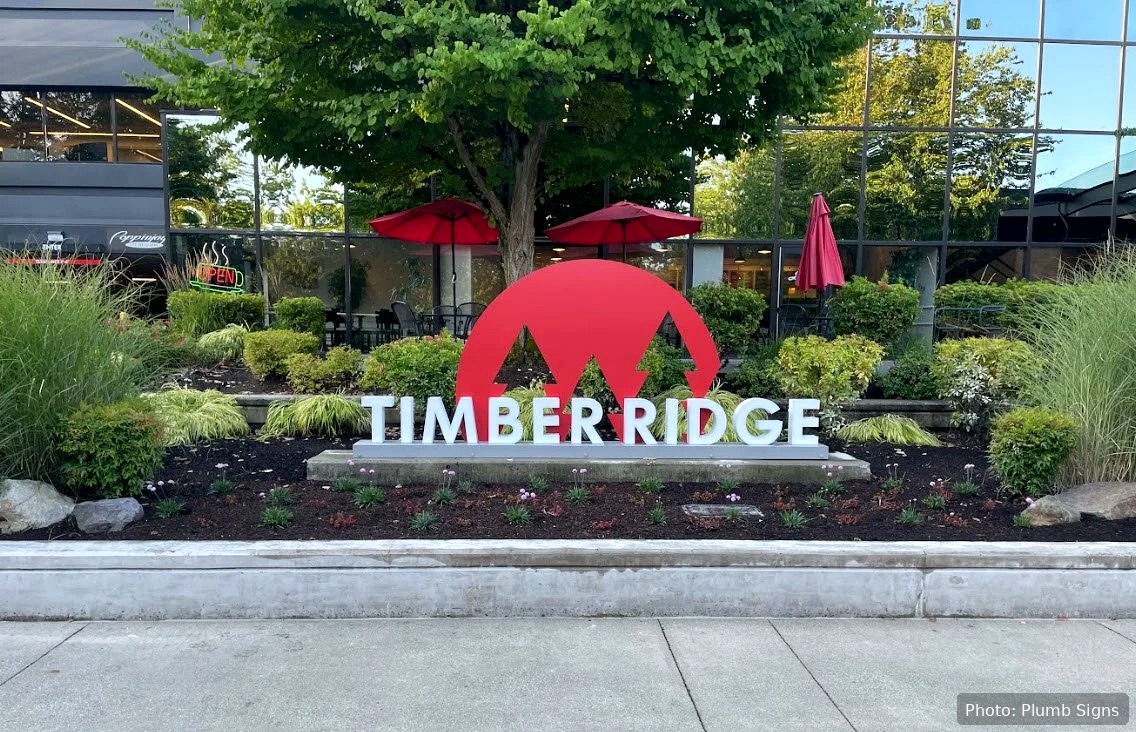
The visitor journey often begins with property identification.
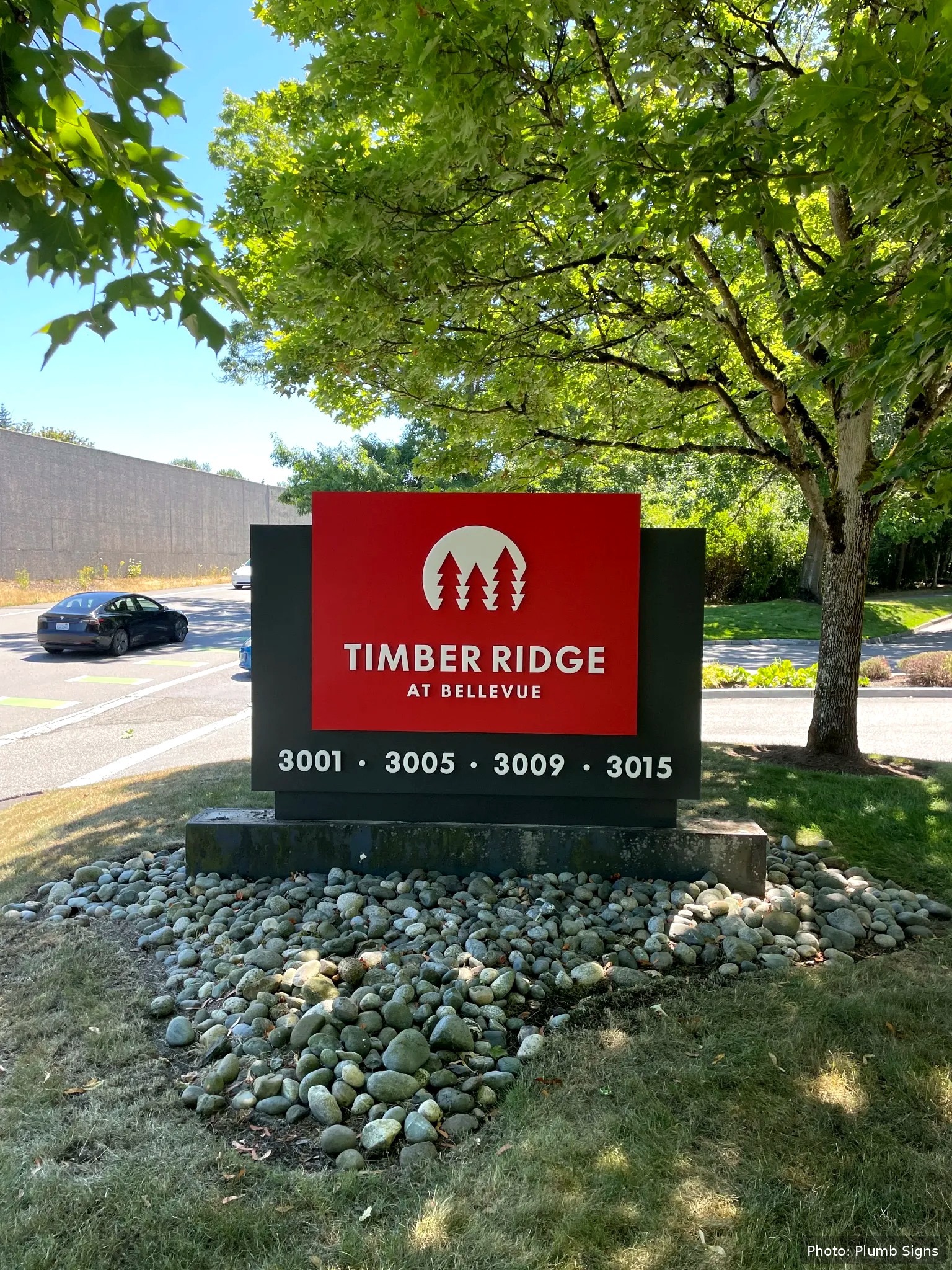
For office campuses, business parks and mixed-use commercial developments, a clearly visible monument or identification sign can help visitors recognize that they have arrived at the correct destination.
Exterior identification should be easy to recognize from an appropriate viewing distance while remaining visually connected to the surrounding architecture and landscape.
Materials, colors, dimensional lettering and sign structures can also reinforce the visual identity of the property without making navigation unnecessarily complicated.
2. Building Identification Helps Visitors Confirm Their Destination
After entering a commercial property, visitors need confirmation that they are approaching the correct building or destination.
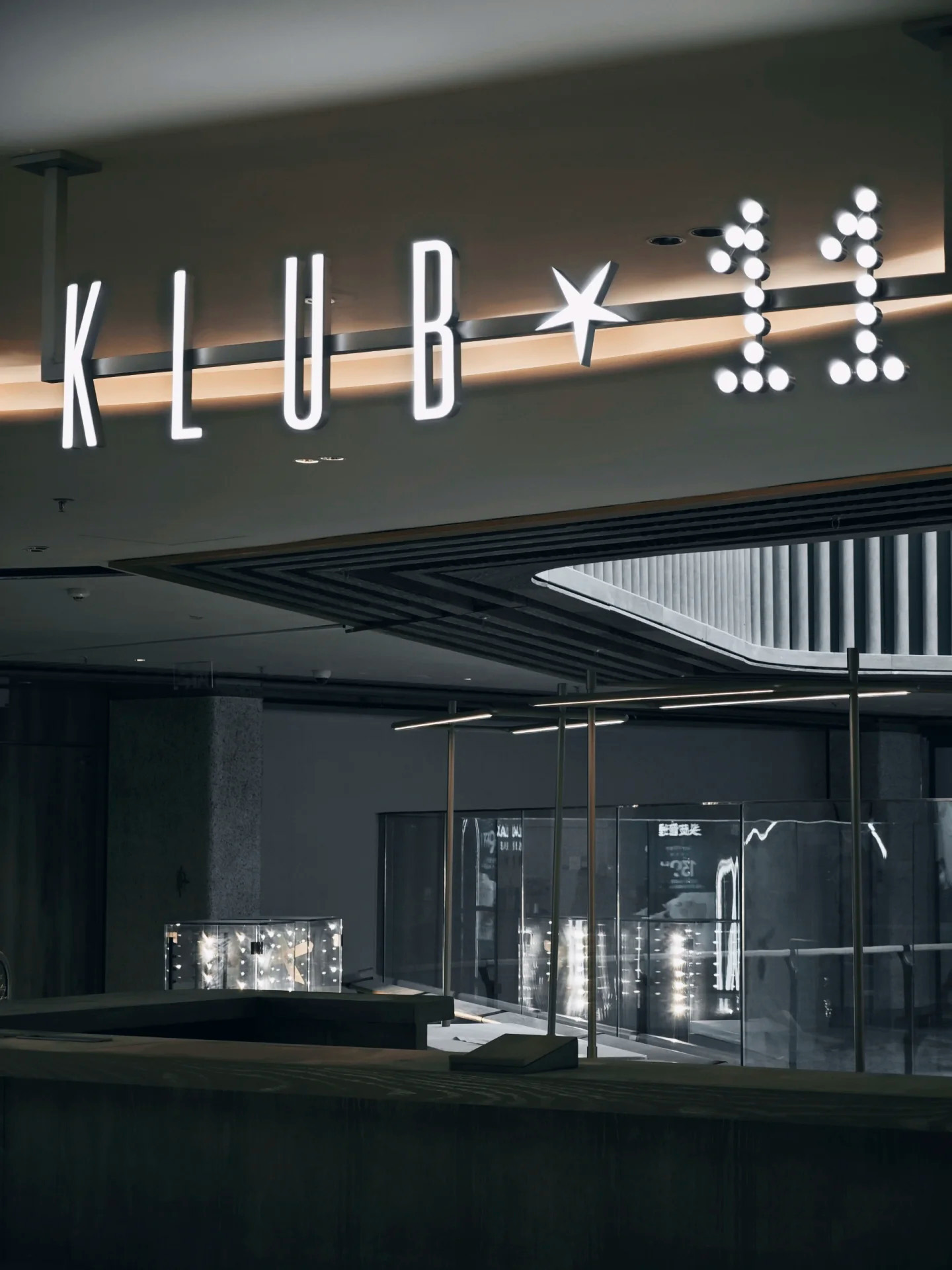
Building identification can take many forms, including dimensional letters, logos, monument signs, address numbers and entrance identification.
The scale and positioning of these signs are particularly important.
Exterior identification should remain readable without competing unnecessarily with the architecture. A simple combination of recognizable branding, dimensional lettering and strong contrast can often provide effective identification.
3. Vehicular Wayfinding Should Be Simple and Immediate
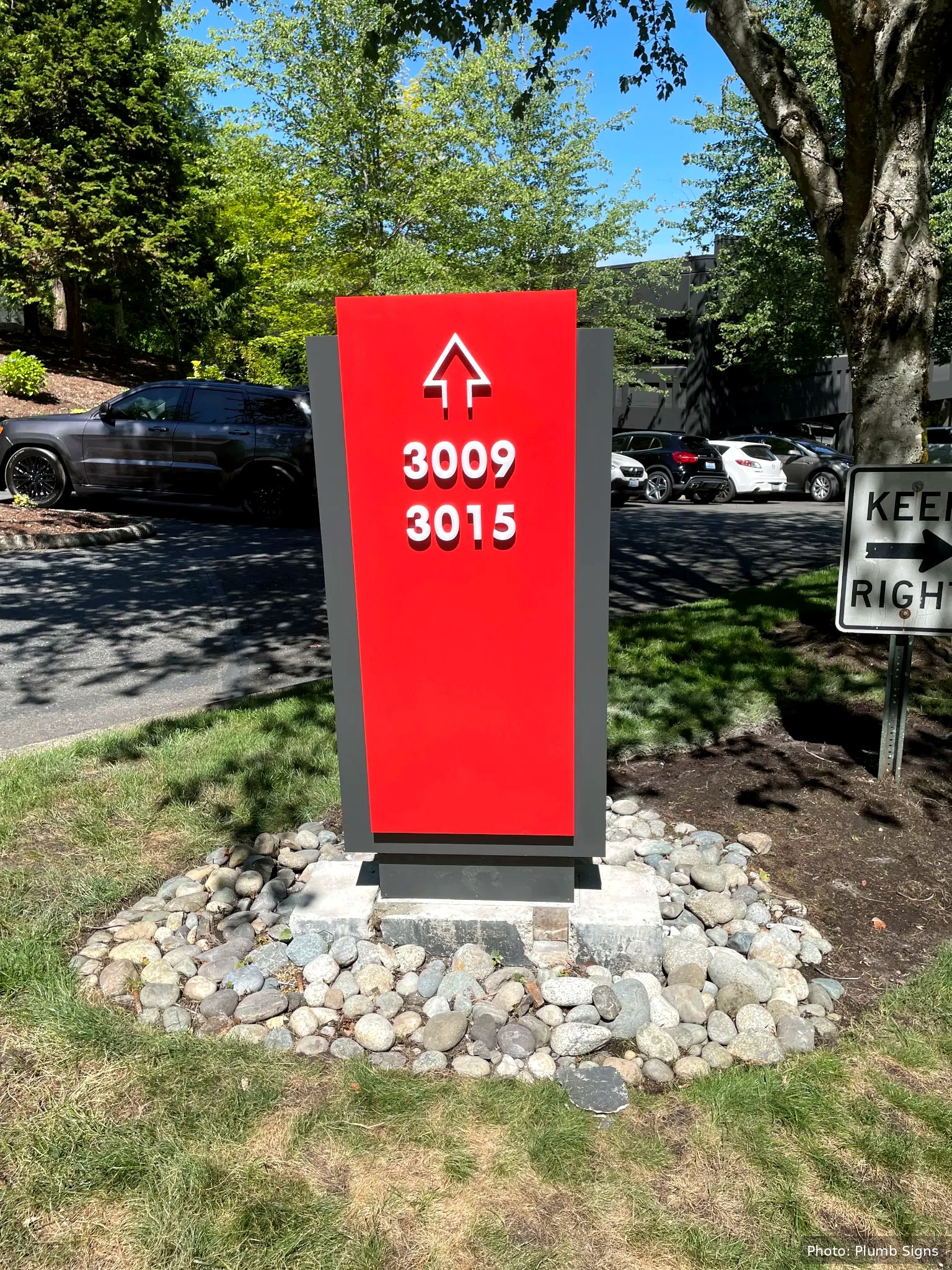
Once visitors enter a larger commercial property, they may need to choose between different buildings, parking areas or access roads.
At this stage, information needs to be understood quickly.
Effective vehicular commercial wayfinding signage usually prioritizes only the information needed for the next decision.
Large arrows, clear destination numbers and strong visual contrast can make directional information easier to understand from a moving vehicle.
Too much information, by comparison, can make a sign more difficult to process.
This is why information hierarchy is an important consideration when developing a complete wayfinding signage system.
4. Parking Signage Is Part of the Wayfinding Journey
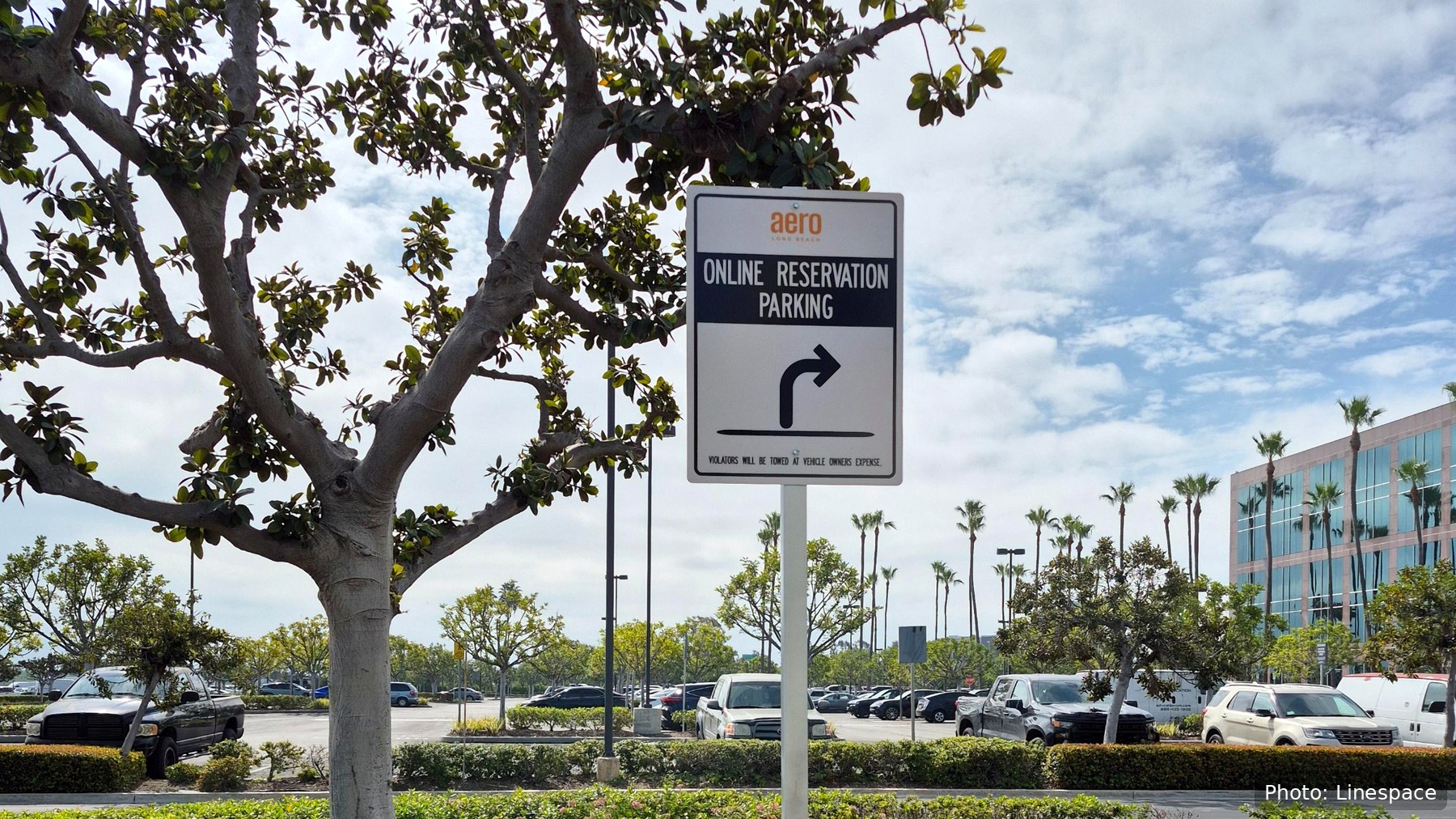
Parking should not be treated as an isolated part of a signage system.
For many visitors, parking is actually an important transition between vehicular and pedestrian navigation.
Parking signs may identify entrances, reserved areas, levels, building connections or exit routes.
The design should prioritize clarity, particularly when drivers need to recognize and respond to information within a short period of time.
Consistent arrows, terminology and visual hierarchy also help parking signage connect naturally with the wider commercial wayfinding system.
5. Pedestrian Signage Guides the Next Step
After parking or entering the property on foot, the information visitors need changes.
Instead of large-scale vehicular information, pedestrian signage can provide more specific directions toward buildings, stairs, elevators, entrances and other facilities.
This type of sign is often smaller because it is viewed at a shorter distance.
However, the same principles still apply: clear arrows, readable typography, appropriate contrast and consistent destination naming.
Sign placement is also important.
Directional information should ideally appear at or before the point where visitors need to make a decision.
6. Building Entrances Should Confirm Arrival
The final stage of the exterior wayfinding journey is often the building entrance.
At this point, visitors should receive clear confirmation that they have reached the correct destination.
Entrance identification, elevator signage and building numbers can help create this confirmation.
From here, the signage system can continue inside the property through lobby directories, floor identification, room signs and interior directional signage.
For commercial buildings with multiple tenants or facilities, maintaining a consistent visual language between exterior and interior signage can make the transition easier to understand.
7. Consistency Connects Different Sign Types
A commercial property may contain many different sign types, but visitors should experience them as one coordinated system.
Consistency can be created through:
- Typography
- Arrow styles
- Pictograms
- Colors
- Materials and finishes
- Destination terminology
- Information hierarchy
International references for graphical symbols can also provide useful guidance when developing public information and wayfinding systems.
Accessibility should also be considered during signage planning, particularly for projects in the United States. The ADA Standards for Accessible Design provide important requirements and references for accessible environments.
• Fits large, order one size down
• Oversized silhouette
• Spread collar, button-down front closures, buttoned flap chest pockets, slit side pockets
• Long sleeves with banded and buttoned cuffs, gradient pearl beading at the sleeves
• Faded denim, contrast topstiching, banded/buttoned hem, distressed details, unlined
• Model measurements: 5'10" height, 33.5" bust, 23.5" waist, 34.5" hips, wearing a size small
• Part of Sunset + Spring, a unique boutique of women’s trendy clothes inspired by America’s style capitals, NYC and L.A.
• This item is part of our 100% Bloomingdale's collection, featuring exclusive pieces you won't find anywhere else.
• Imported.
8. From Signage Planning to Manufacturing
A successful wayfinding concept also needs to be translated into manufacturable signage.
Different sign types may require different materials, structures, finishes, illumination methods and installation solutions depending on their location and purpose.
For exterior applications, weather resistance, structural stability and viewing distance may need to be considered. Interior signage may place greater emphasis on finishes, dimensions and integration with the surrounding architecture.
At MACCAN Signage, we support customized signage development, engineering and manufacturing for commercial buildings and other B2B projects.
Our manufacturing capabilities cover a range of exterior and interior signage applications, from identification signs and dimensional letters to directional and wayfinding signage.
Planning a Commercial Wayfinding Project?
Every commercial property has a different layout, architectural environment and visitor flow.
Planning signage around the complete journey — from arrival and parking to pedestrian navigation and final destination — can help create a clearer and more consistent experience.
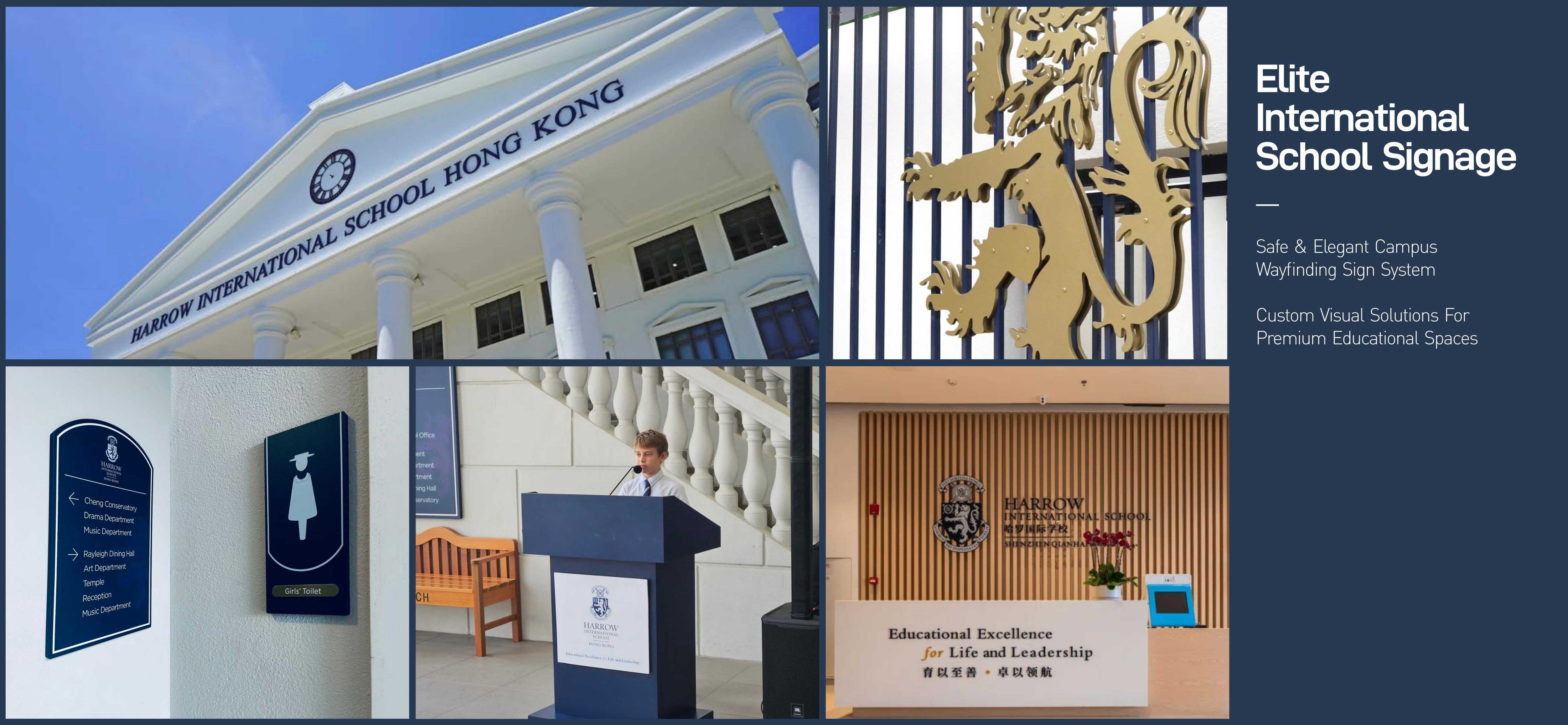
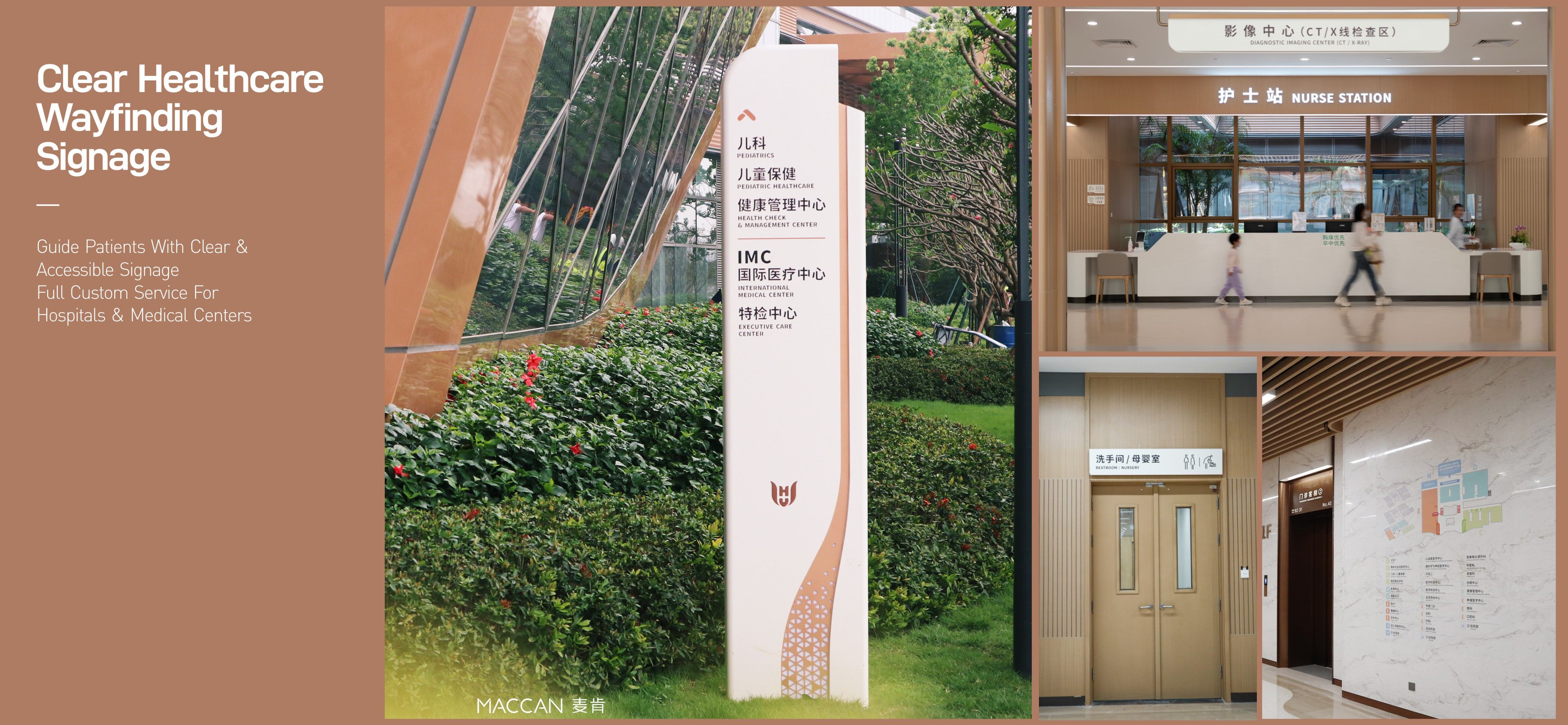
As a custom signage manufacturer, MACCAN Signage provides design support, engineering and manufacturing solutions for hotels, shopping malls, commercial buildings, healthcare facilities, schools and other international projects.
Have a commercial building or wayfinding signage project? Contact us to discuss your requirements.
🌐 www.maccansignage.com
📱 WhatsApp: +852 6959 3497
✉️ info@maccansignage.com
Related Article