How to Design an Effective School Wayfinding Signage System
How to Design an Effective School Wayfinding Signage System
A Practical Guide for International Schools, Educational Campuses, and Project Buyers
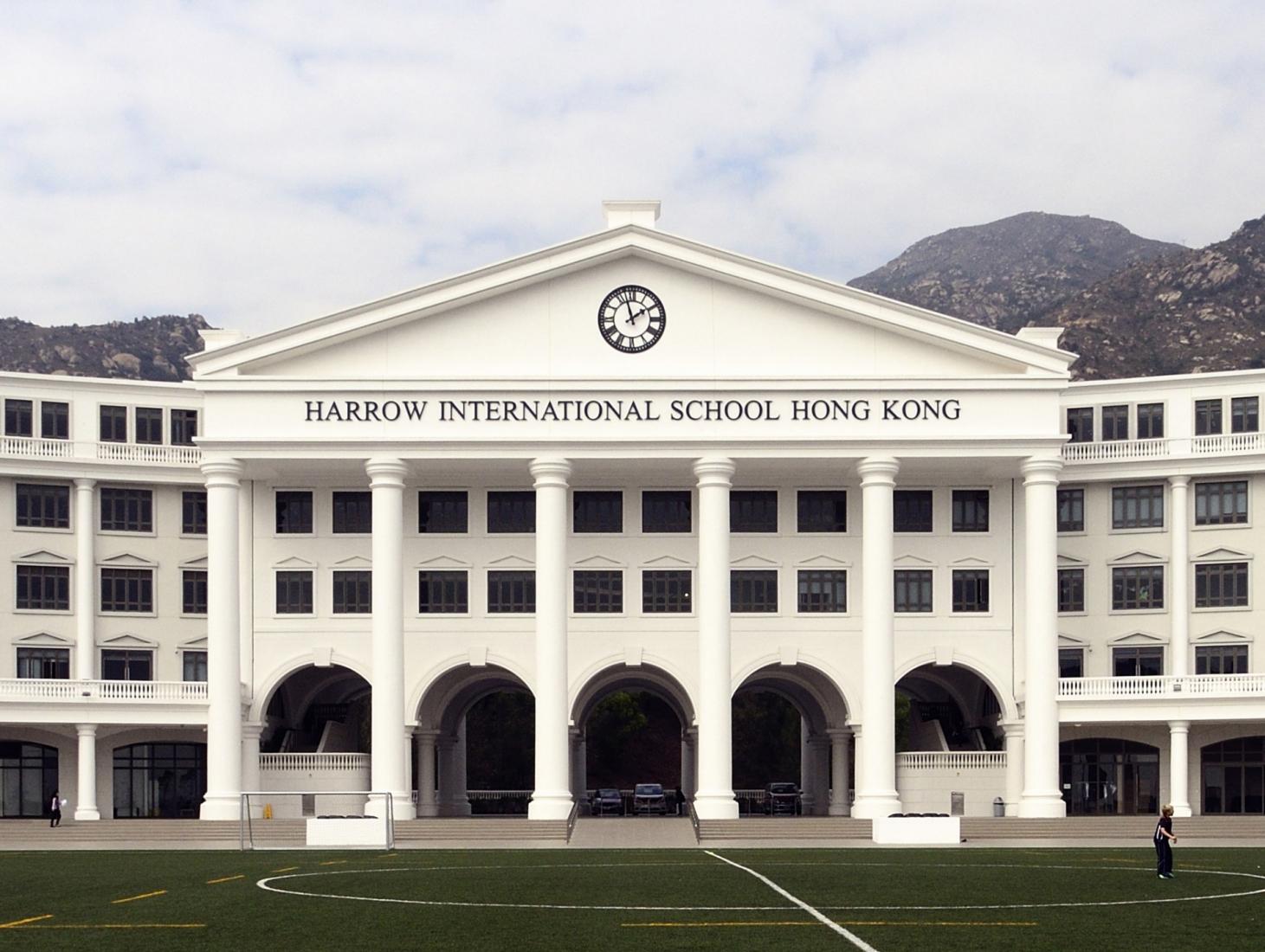
A well-designed school wayfinding signage system does more than direct students from one classroom to another. It helps visitors locate entrances, supports daily campus operations, improves accessibility, and reinforces a school's architectural identity.
For international schools, universities, and multi-building educational campuses, effective wayfinding requires a coordinated approach to signage planning, information hierarchy, materials, and installation.
This guide explains how school administrators, architects, contractors, and procurement teams can plan a practical and consistent campus signage system.
1. Why Is School Wayfinding Signage Important?
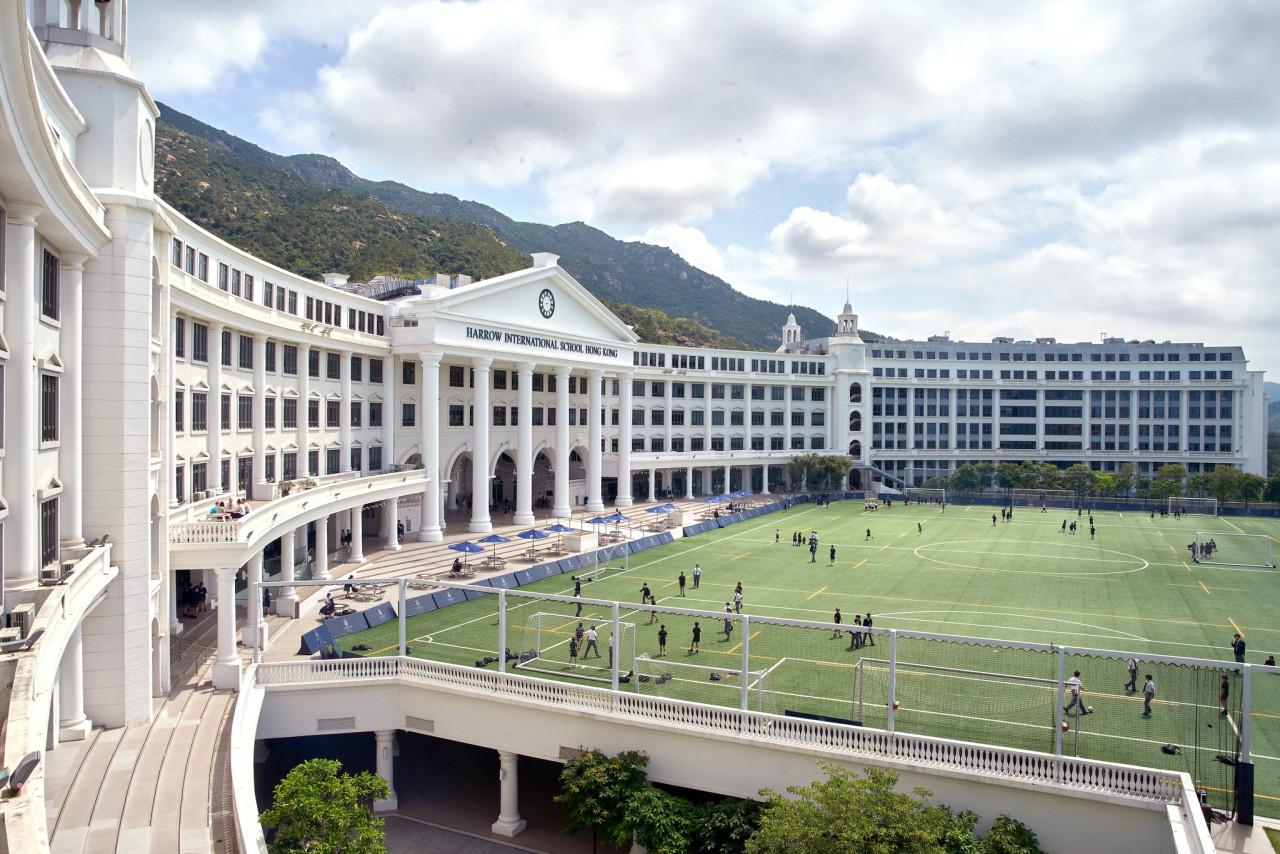
School campuses often contain multiple buildings, entrances, classrooms, sports facilities, libraries, and administrative offices.
Without clear directional information, visitors may struggle to locate their destinations, particularly during enrollment periods, school events, and campus tours.
An effective school wayfinding signage system helps:
-
Guide students, parents, staff, and visitors.
-
Reduce confusion at building entrances and intersections.
-
Identify academic, administrative, and recreational facilities.
-
Support accessible navigation.
-
Maintain consistent visual communication across the campus.
For international schools, signage may also need to accommodate multiple languages and different age groups.
The objective is to make navigation intuitive without overwhelming users with unnecessary information.
2. Start with a Campus Wayfinding Plan
Before selecting signage products, project teams should evaluate how people move through the campus.
Identify Important Destinations
Typical destinations include:
-
Main entrance and reception
-
Administration offices
-
Classroom buildings
-
Library and learning centers
-
Sports facilities
-
Auditorium and event spaces
-
Cafeteria
-
Parking and visitor drop-off areas
-
Accessible entrances and facilities
Understand Visitor Routes
Consider the different journeys made by students, parents, visitors, and staff.
For example, a first-time visitor may need directions from the main gate to reception, while students may need building identification and classroom numbers.
Establish Decision Points
Directional signs should be positioned where users need to make a navigation decision, such as:
-
Campus entrances
-
Pathway intersections
-
Building entrances
-
Elevator and stairway areas
-
Corridor junctions
Placing signage at these locations is generally more useful than distributing signs evenly throughout the campus.
3. Essential Types of School and Campus Signage
A complete campus signage system typically includes several coordinated categories.
| Signage Type | Main Function | Typical Location |
|---|---|---|
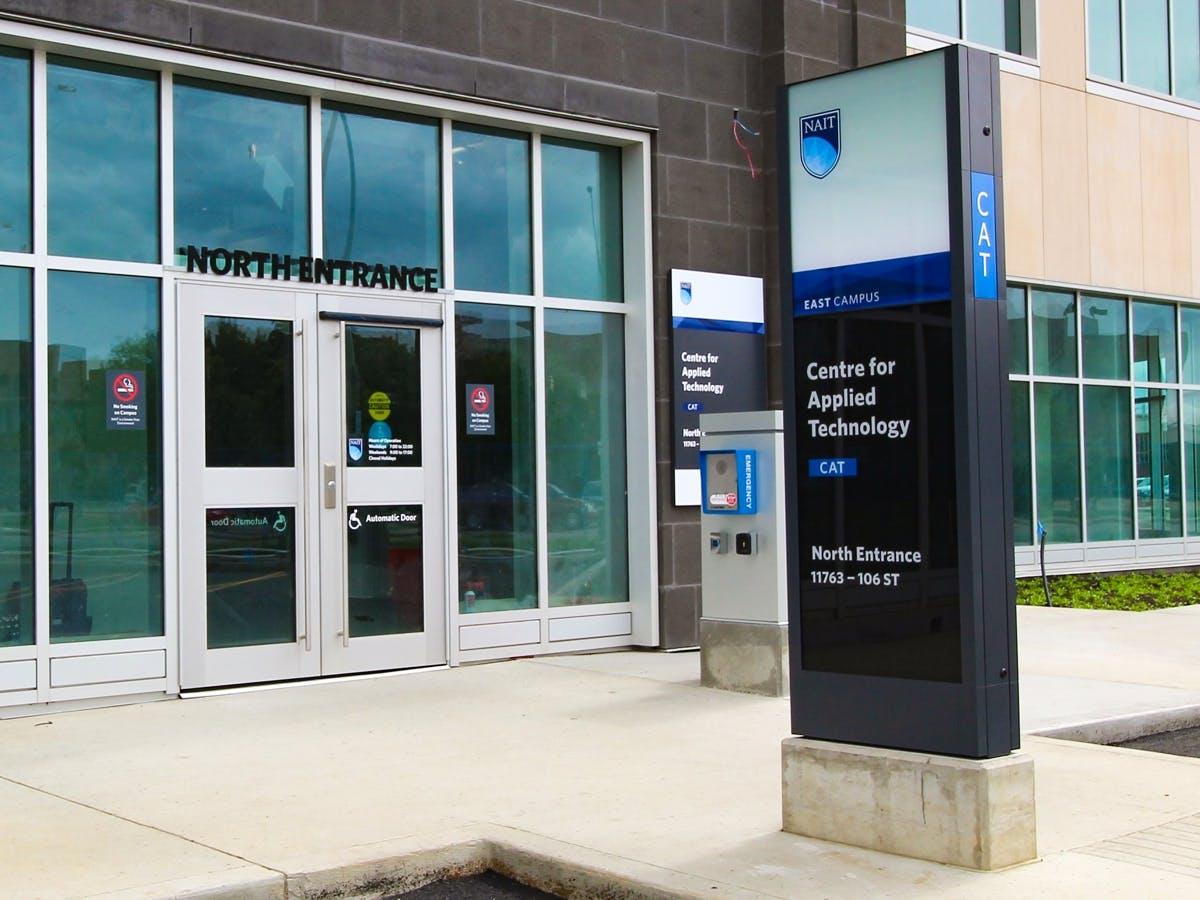
| Campus Entrance Signs | Identify the school and main entrance | Main gate and campus boundary |
| Building Identification Signs | Identify individual buildings | Building exteriors and entrances |
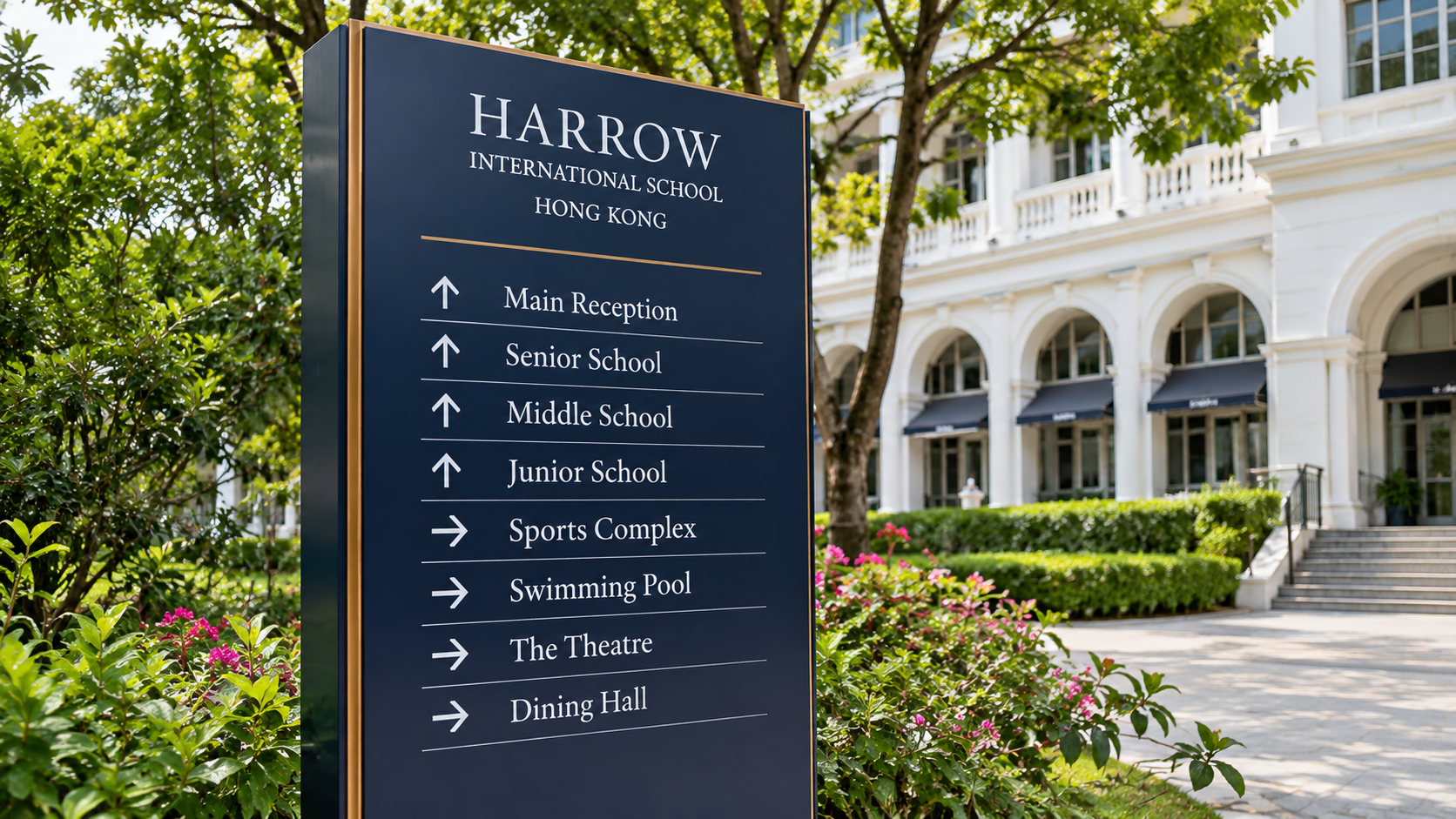
| Campus Directional Signs | Guide movement between facilities | Outdoor pathways and intersections |
| Building Directory Signs | Display floor and department information | Lobbies and main circulation areas |
| Classroom Identification Signs | Identify rooms and teaching spaces | Classroom entrances |
| Safety and Accessibility Signs | Communicate safety and accessible routes | Relevant entrances, corridors, and facilities |
Campus Entrance & Identity Signs
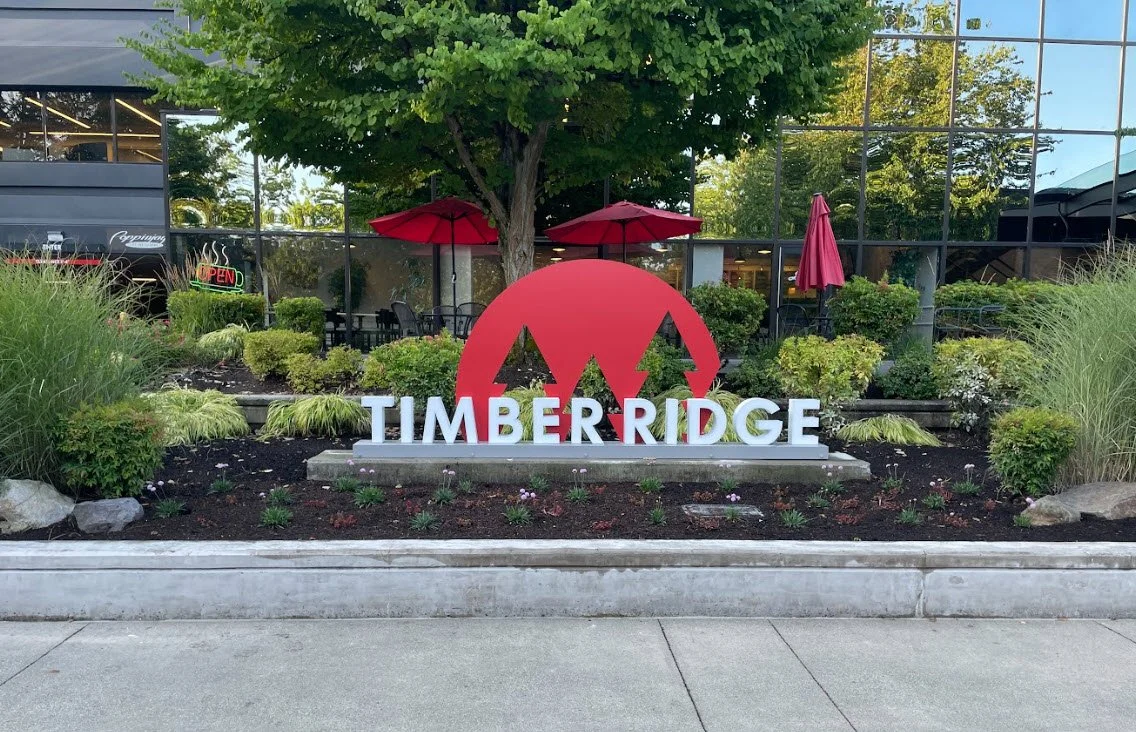
Entrance signage creates the first impression of the school.
It may include the school name, logo, address, or other essential identification details.
Materials and finishes should complement the campus architecture and withstand the local environment.
Campus Wayfinding Signs
Outdoor directional signs help users move between buildings and facilities.
These signs should use clear destination names, consistent arrows, and readable typography.
Building Directory Signs
Directory signs organize information by building, floor, or department.
For multi-story buildings, floor directories should provide a clear overview of destinations without displaying excessive detail.
Classroom & Room Signs
Room identification signs help users locate classrooms, laboratories, meeting rooms, and administrative offices.
Consistent numbering and naming conventions are particularly important for large campuses.
4. Create a Consistent Visual Identity
School signage should function as part of the overall architectural environment.
A consistent signage system typically uses:
Typography
Choose readable fonts and maintain a consistent hierarchy between building names, destinations, and supporting information.
Colors
Use a coordinated color palette based on the school's brand identity.
Color coding can help distinguish campus zones, provided users do not need to rely on color alone to understand directions.
Symbols and Arrows
Use familiar symbols and consistent directional arrows throughout the campus.
Materials and Finishes
Coordinate signage materials with building facades, interior finishes, and the surrounding landscape.
Multilingual Information
International schools may require signage in two or more languages. Text length, layout, and legibility should be considered during design rather than added at the final production stage.
The goal is to create a unified visual system that remains understandable across different buildings.
5. How to Choose Materials for School Signage
Material selection should reflect the installation environment, expected use, and maintenance requirements.
| Material | Common Applications | Key Considerations |
|---|---|---|
| Aluminum | Outdoor directional signs, building signs, sign panels | Lightweight, corrosion-resistant with suitable finishing |
| Stainless Steel | Architectural identification and premium entrance signs | Durable metal appearance; grade selection matters |
| Acrylic | Interior signs, dimensional letters, illuminated elements | Flexible colors and finishes; specify suitable grades |
| Powder-Coated Metal | Exterior and interior signage structures | Coating quality and environmental exposure |
| Laminated or Printed Panels | Maps, directories, and information displays | Print durability, replaceability, and maintenance |
For outdoor school signage, buyers should consider sunlight, rain, humidity, wind exposure, and local environmental conditions.
For interior signage, readability, cleaning requirements, impact resistance, and the ability to update information may be equally important.
A suitable material is not necessarily the most expensive option. The best choice depends on the complete sign construction and its intended application.

6. Accessibility and Inclusive Campus Navigation
Accessible wayfinding is an important consideration for educational facilities.
Depending on the jurisdiction and building type, project requirements may address:
-
Readable text and visual contrast
-
Appropriate sign placement and mounting heights
-
Tactile characters and Braille for designated signs
-
Accessible routes and entrance identification
-
Clear identification of facilities
-
Consistent information at decision points
For projects in the United States, relevant requirements may include the 2010 ADA Standards for Accessible Design, particularly provisions addressing signs.
[EXTERNAL LINK — Official Reference]
ADA.gov — 2010 ADA Standards for Accessible Design:
https://www.ada.gov/law-and-regs/design-standards/2010-stds/
U.S. Access Board — ADA Accessibility Standards:
https://www.access-board.gov/ada/
Accessibility requirements vary by country and project type. International school projects should be reviewed against applicable local regulations and the project specifications.
Importantly, not every school sign requires Braille or tactile characters. Requirements depend on the sign's function and the applicable accessibility standard.
7. Common School Signage Planning Mistakes
Even attractive signs may be ineffective when the overall wayfinding system is poorly coordinated.
Too Much Information on One Sign
Long destination lists can make directional signs difficult to read.
Use a clear information hierarchy and display only the destinations relevant to each location.
Inconsistent Building Names
If a building is identified differently on maps, directories, and physical signs, visitors may become confused.
Maintain one approved naming system throughout the project.
Poor Sign Placement
Signs installed after a decision point may fail to provide useful guidance.
Review placement from the perspective of first-time visitors.
Ignoring Future Campus Changes
Schools frequently renovate classrooms, change departments, or expand facilities.
Where practical, use modular directory systems and replaceable information panels.
Selecting Materials Without Considering Maintenance
Outdoor finishes, printed graphics, mounting systems, and illuminated components should be evaluated for long-term maintenance.
8. What Should Buyers Prepare Before Ordering Campus Signage?
For architects, educational facility managers, and procurement teams, preparing clear project information can improve quotation accuracy and manufacturing efficiency.
A typical school signage inquiry should include:
-
Campus layout: Site plans, building locations, and main circulation routes.
-
Signage schedule: Sign types, quantities, dimensions, and installation locations.
-
Design files: School logo, brand colors, typography, and architectural drawings.
-
Material preferences: Metal, acrylic, printed panels, or other specified materials.
-
Environmental requirements: Indoor or outdoor use, climate, and maintenance expectations.
-
Language requirements: English-only or multilingual signage.
-
Project timeline: Expected production, delivery, and installation dates.
For larger projects, a signage schedule and location plan are especially useful for coordinating production and installation.

9. Custom School Signage Manufacturing with Maccan Signage
At Maccan Signage, we provide custom signage manufacturing solutions for schools, universities, international education facilities, and other architectural developments.
Our manufacturing capabilities include:
-
Architectural metal signage fabrication
-
Custom building identification signs
-
Outdoor directional signage
-
Interior building directories
-
Classroom and room identification
-
Acrylic and illuminated signage components
-
Surface finishing and project-specific production
We support project buyers and signage contractors with manufacturing solutions based on approved drawings, material specifications, quantities, and project requirements.
For schools with multiple buildings, coordinated manufacturing helps maintain consistent signage dimensions, colors, and finishes across different locations.
[INTERNAL LINK — School & Campus Solutions]
Explore our School & Campus Signage Solutions page.
Insert the verified URL of the School & Campus Solutions page.
[INTERNAL LINK — School Project References]
Explore School & Campus Signage Projects:
https://www.maccansignage.com/school-campus-signage-projects.html
10. Frequently Asked Questions
Q1. What is school wayfinding signage?
School wayfinding signage is a coordinated system of entrance signs, building identification, directional signs, directories, and room signs that helps people navigate an educational campus.
Q2. What signage is needed for an international school?
Common requirements include entrance identification, outdoor directional signs, building directories, classroom identification, safety signs, and accessibility signage. The final scope depends on the campus layout and local requirements.
Q3. Which materials are best for outdoor campus signs?
Aluminum and suitably specified stainless steel are common choices. The best material depends on weather exposure, sign dimensions, finish requirements, structural design, and budget.
Q4. How can schools improve campus navigation?
Schools can improve navigation by establishing consistent building names, placing signs at decision points, simplifying directional information, and maintaining a unified visual design.
Q5. Can campus signage be customized to match school branding?
Yes. Signage can be manufactured with customized colors, dimensions, materials, logos, and finishes based on approved design specifications.
Q6. Should schools use modular directory signage?
Modular directories can be useful where room functions or departments change regularly, because selected information panels can be replaced without manufacturing an entirely new sign.
Conclusion: Build a Clear and Consistent Campus Signage System
An effective school wayfinding signage system begins with understanding the campus layout and how people move between buildings.
Clear information hierarchy, suitable materials, consistent visual design, and accessibility considerations all contribute to better navigation.
For international schools and educational developments, planning signage as a coordinated system can also simplify procurement, manufacturing, and future maintenance.
Planning a School Signage Project?
Maccan Signage provides custom signage manufacturing solutions for international schools, universities, and educational facilities.
Share your campus plans, signage drawings, and project requirements with our team to discuss suitable manufacturing options.
[CTA BUTTON: Request a Project Quote]
Website: https://www.maccansignage.com
Email: info@maccansignage.com
WhatsApp: +852 6959 3497
Hospital Wayfinding Signage: Key Design and Manufacturing Considerations
Related Article