How to Maintain Consistency Across Shopping Mall Wayfinding Signage
How to Maintain Consistency Across Shopping Mall Wayfinding Signage
Shopping mall wayfinding signage is more than a collection of directional signs. In a large commercial development, building identification, outdoor directional signs, indoor directories, suspended signs and facility identification must work together as a coordinated signage system.
For architects, developers, contractors and project procurement teams, maintaining consistency across different signage types is an important part of commercial signage manufacturing.
This article explores how material selection, technical specifications, sampling and quality control help maintain consistency throughout a shopping mall wayfinding project, using signage applications at Foshan MixC Tiandi as a practical example.
1. Different Signage Types, One Coordinated System
A shopping mall includes many different spaces, each requiring signage suited to its function and environment.
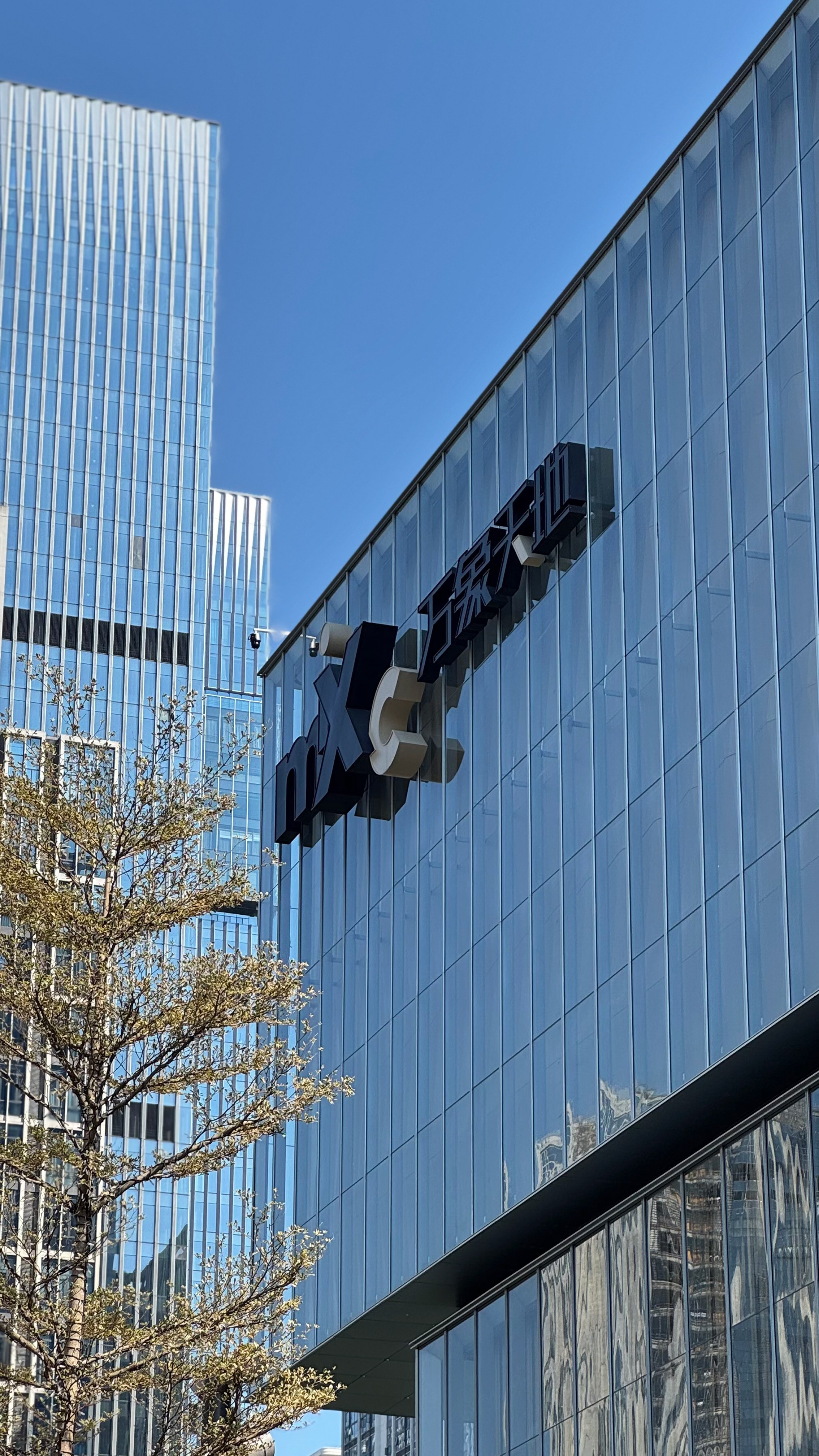
Building identification signage establishes the development's visual presence. Outdoor directional signs help visitors locate entrances and surrounding facilities. Indoor directories provide information about floors and destinations, while suspended signs and facility identification support navigation inside the building.
Although these signs may differ in size, material and installation method, they should follow consistent visual and technical requirements.
A coordinated signage system generally considers:
-
Typography and lettering proportions
-
Colors and surface finishes
-
Sign dimensions and information hierarchy
-
Pictogram styles
-
Illumination appearance
-
Mounting and fabrication details
For a broader overview of common retail signage applications, explore our Shopping Mall Signage & Wayfinding Guide.
2. Outdoor Wayfinding Signage: Durability and Information Clarity
Outdoor signage must communicate information clearly while responding to environmental conditions such as sunlight, rain and temperature changes.
Freestanding directional signs are commonly used around shopping mall entrances, pedestrian routes, parking areas and surrounding commercial facilities.
Their manufacturing requirements may include metal fabrication, surface finishing, graphic application, structural support and suitable installation details.
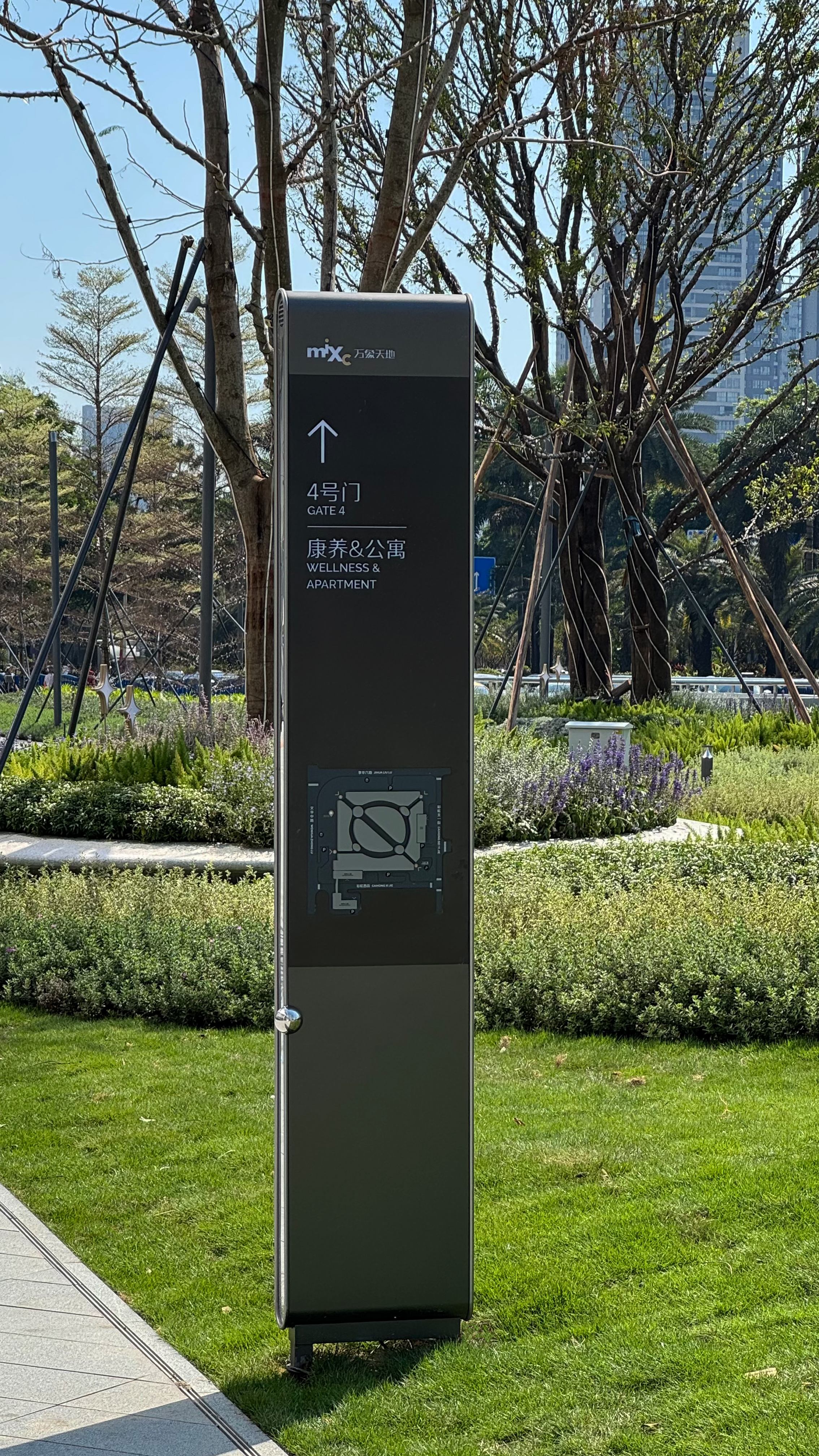
The outdoor directional sign shown at Foshan MixC Tiandi combines project identification, directional information and a location map within one freestanding structure.
For similar applications, manufacturers should pay attention to material suitability, graphic legibility and consistent surface finishing.
3. Indoor Directories and Suspended Signs: Consistency Across Floors
Indoor shopping mall signage often includes directories, floor identification, suspended directional signs and public facility pictograms.
These signs may use different manufacturing methods, but their typography, colors and graphic proportions should remain coordinated.
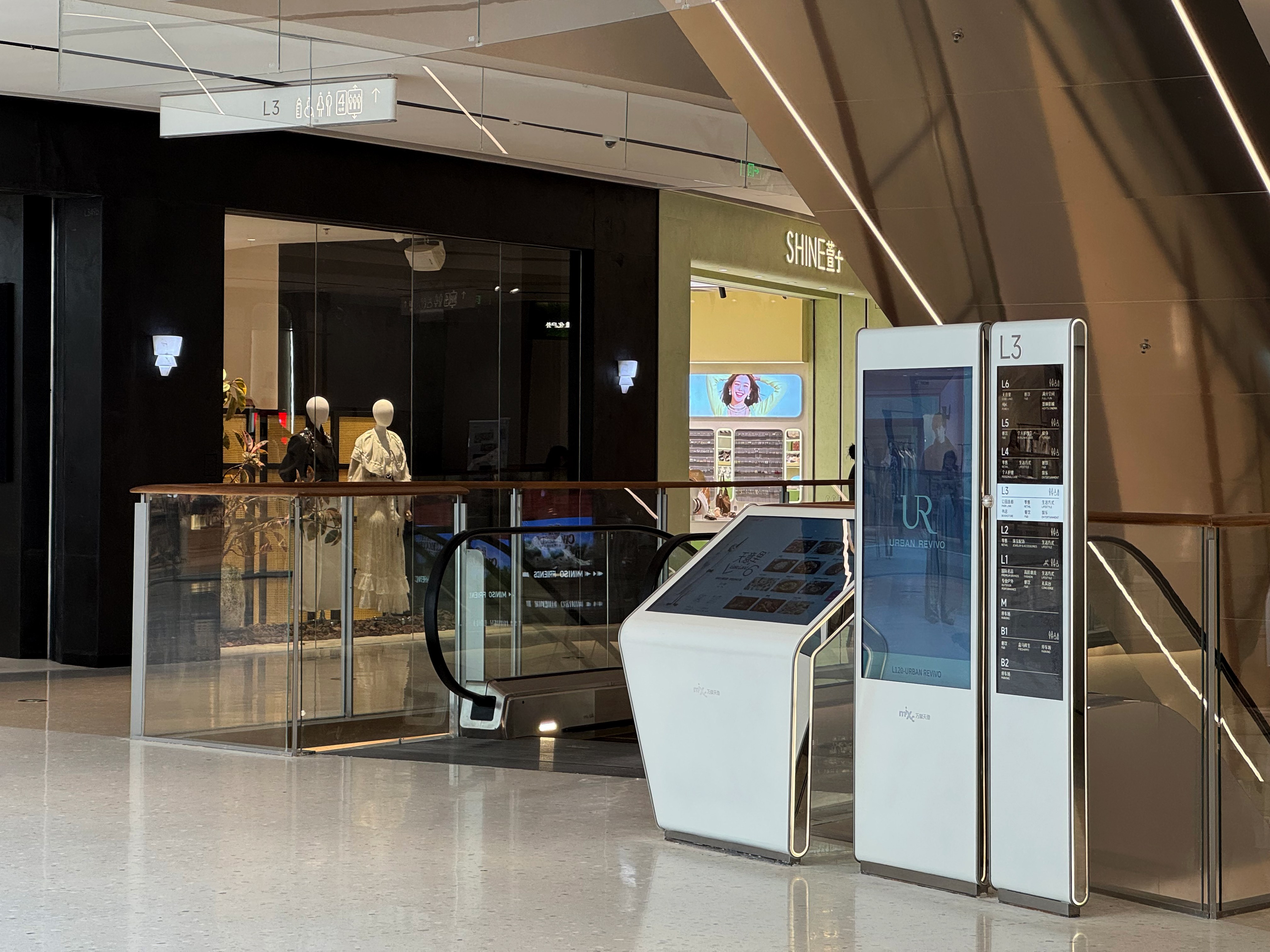
Digital directories and conventional signage can serve complementary roles. Digital displays may present changeable information, while fixed directional signs provide stable location guidance.
The manufacturing and installation scope of digital equipment should be confirmed separately from conventional fabricated signage.
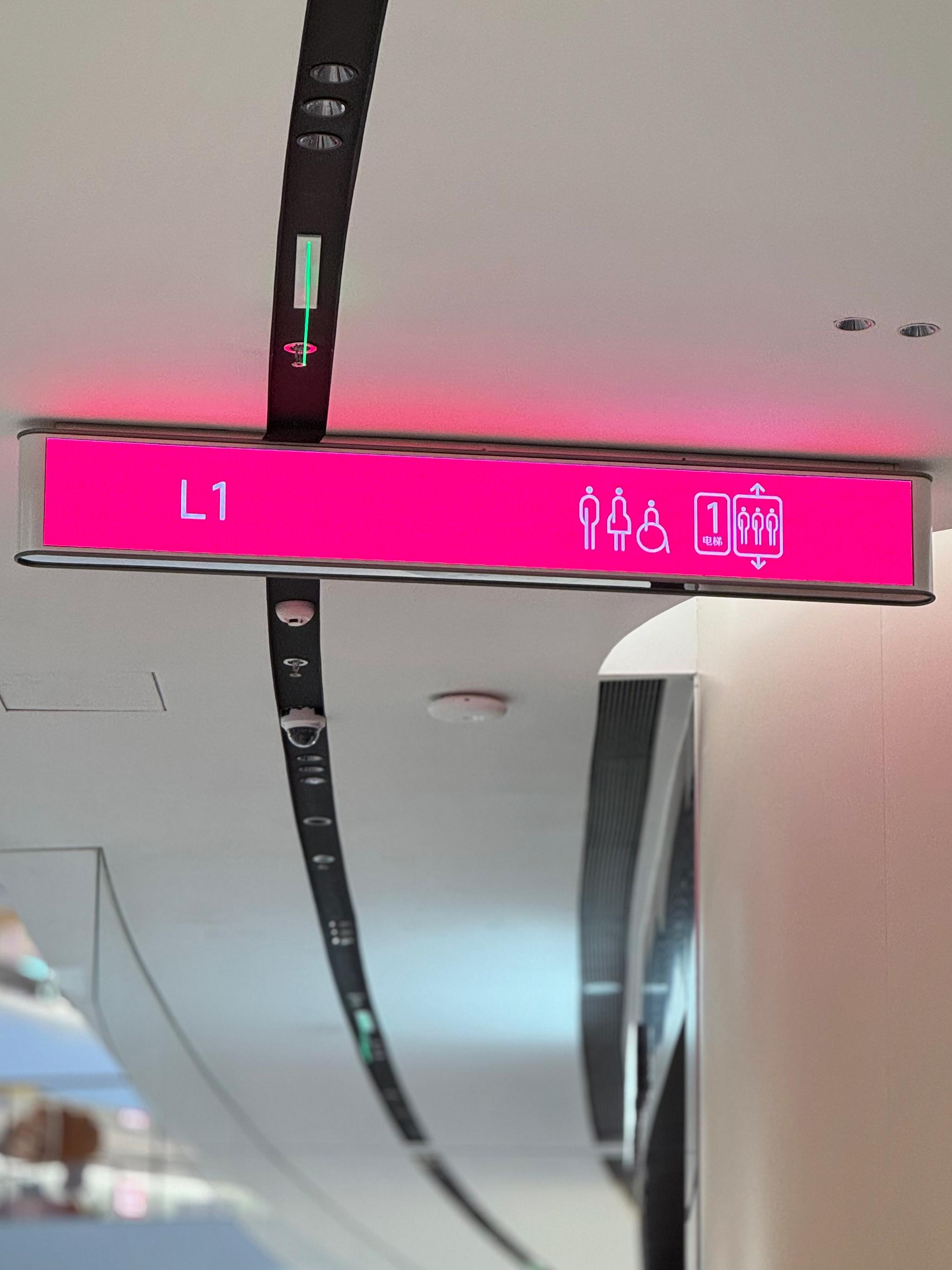
Suspended signs also require careful consideration of viewing distance, ceiling mounting conditions, dimensions and alignment with the surrounding interior.
4. Material and Finish Consistency in Commercial Signage Manufacturing
Different signage applications require different materials. However, using different materials should not result in an inconsistent visual appearance.
For example, outdoor signs may require weather-resistant metal structures, while indoor directional signs may use aluminum panels, acrylic components or illuminated lettering.
The following table summarizes common manufacturing considerations.
Shopping Mall Signage Material Comparison
| Signage Application | Common Materials | Manufacturing Priorities | Typical Locations |
|---|---|---|---|
| Building Identification | Aluminum, stainless steel, acrylic | Structural design, finishing, illumination where specified | Building façades and entrances |
| Outdoor Directional Signs | Aluminum, stainless steel | Weather resistance, legibility, structural support | Pedestrian routes and entrances |
| Indoor Directories | Aluminum, acrylic, glass and display components | Information layout, finish consistency, maintenance access | Lobbies and circulation areas |
| Suspended Directional Signs | Aluminum, acrylic | Weight, mounting, alignment and graphic clarity | Corridors and intersections |
| Illuminated Facility Signs | Metal, acrylic and LED components | Light distribution, lettering detail and maintenance | Restrooms, elevators and facilities |
Material choices depend on the approved design, project environment and technical specifications.
To improve manufacturing consistency, project teams should define material grades, colors, surface treatments and fabrication requirements before batch production.
5. Illuminated Wayfinding Signage and Architectural Integration
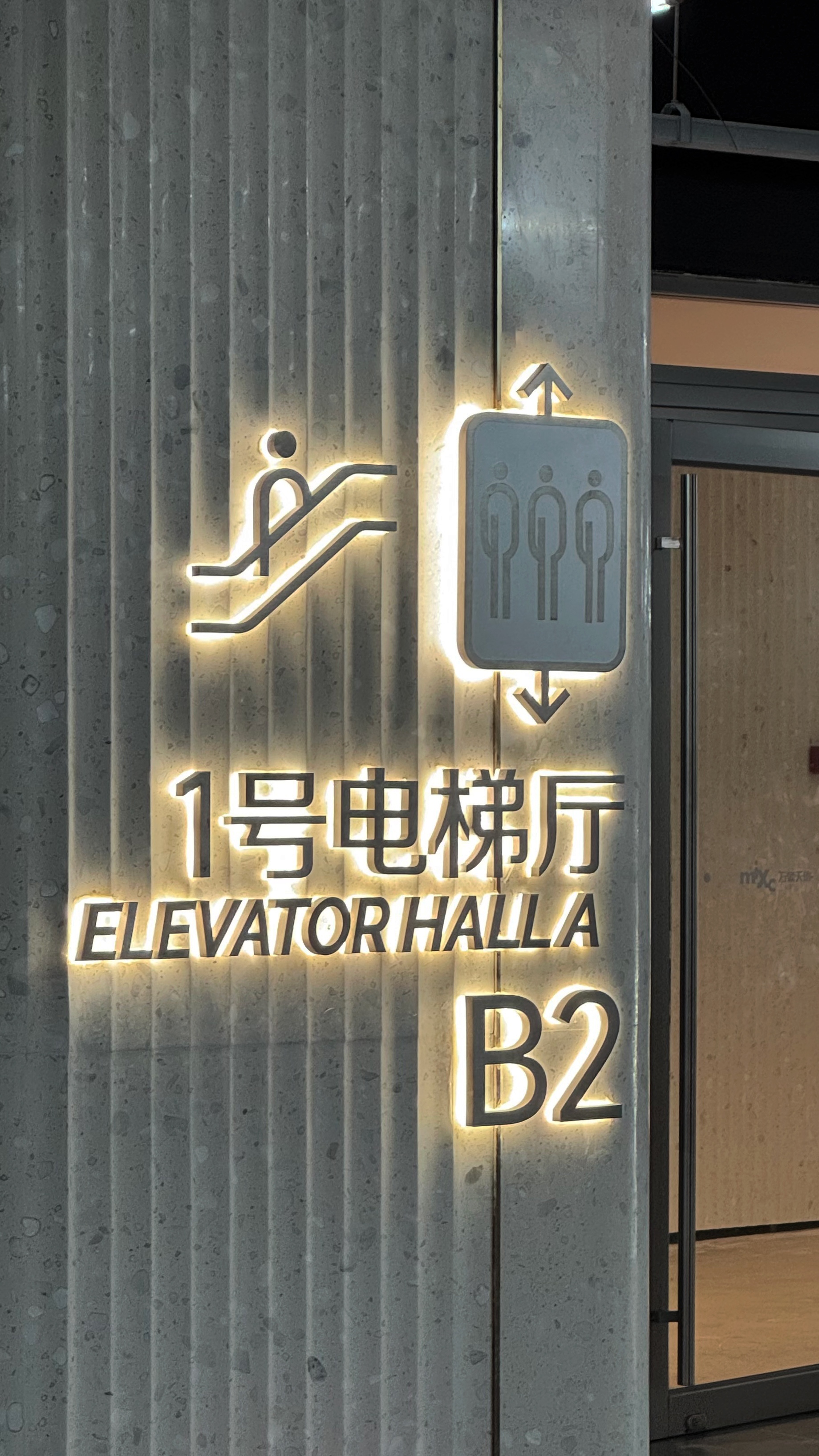
Illuminated signage can improve the visibility of directional information and help signage integrate with interior architectural features.
However, lighting should remain consistent with the intended design.
Manufacturers may need to coordinate LED placement, diffuser materials, lettering construction, wiring access and surface finishing.
The illuminated elevator hall signage at Foshan MixC Tiandi demonstrates how directional lettering and pictograms can be incorporated into an architectural wall surface.
For similar signage applications, uniform illumination and carefully finished lettering can help maintain a coordinated appearance.
6. Quality Control Across Multiple Signage Types
A large shopping mall signage project may involve different sizes, quantities and fabrication processes.
Maintaining consistent quality requires coordination before and during manufacturing.
Commercial Signage Quality Control Checklist
| Production Stage | Key Checks | Purpose |
|---|---|---|
| Drawing Review | Dimensions, materials, colors and mounting details | Confirm manufacturing requirements |
| Material Approval | Material type, finish and sample appearance | Establish approved references |
| Prototype Sampling | Lettering, fabrication details and illumination | Verify appearance before batch production |
| Batch Manufacturing | Dimensions, colors, finishes and assembly | Maintain consistency across sign types |
| Final Inspection | Surface quality, graphics and functional checks | Identify defects before shipment |
| Packaging | Protection, labeling and sign identification | Support delivery and installation coordination |
A clear sign schedule and approved sample references can help manufacturers coordinate production across different signage categories.
Quality management principles, including documented procedures and process control, are also discussed in the ISO 9001 quality management framework.
7. Project Example: Foshan MixC Tiandi Commercial Signage
Foshan MixC Tiandi is a commercial development featuring a range of architectural and wayfinding signage applications.
MACCAN Signage undertook signage manufacturing work for this project, covering multiple types of signage used throughout the commercial environment.
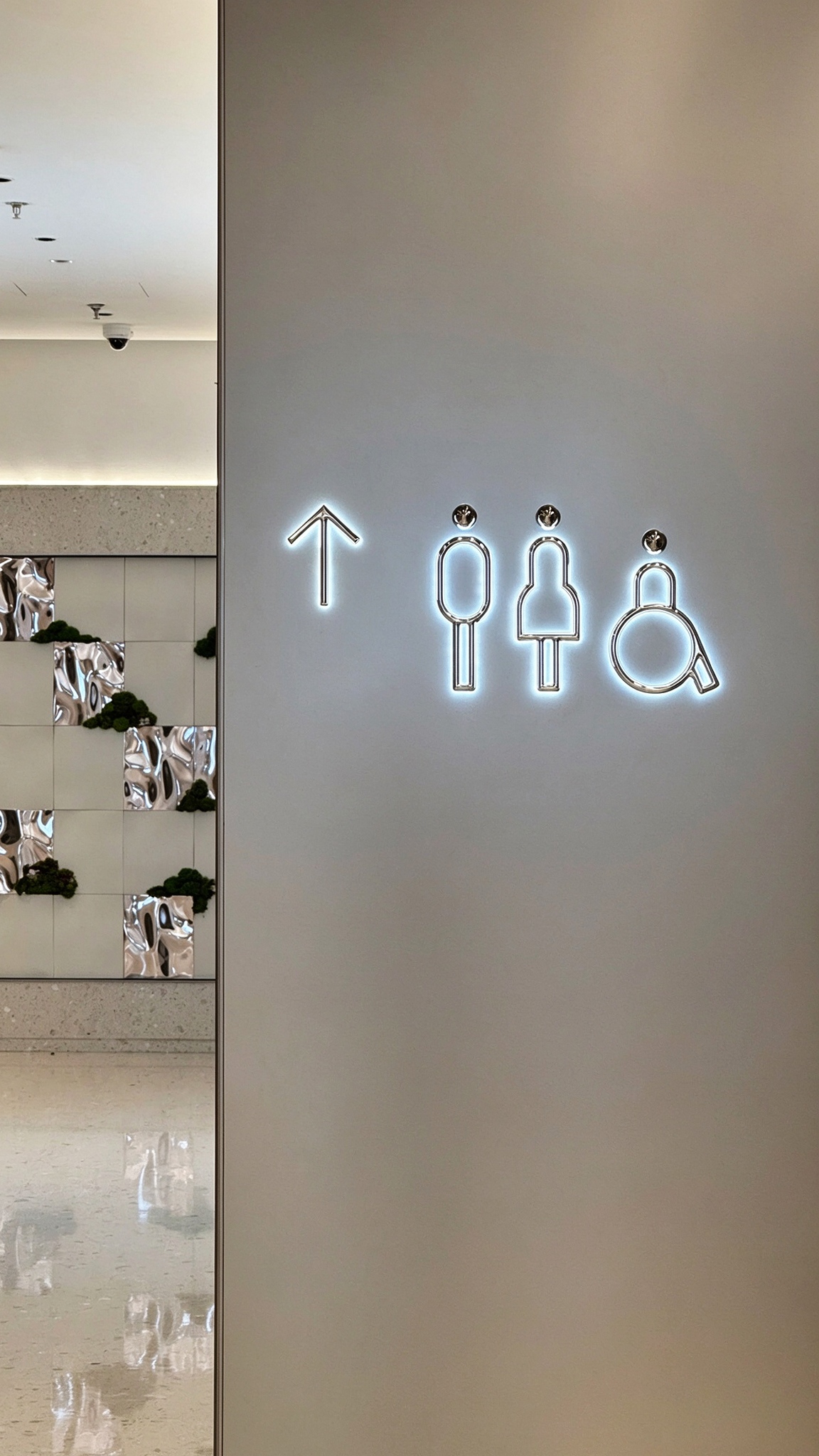
The project photographs illustrate several important categories:
-
Large-scale exterior building identification
-
Outdoor freestanding wayfinding signage
-
Indoor directional and directory signage
-
Suspended floor and facility identification
-
Illuminated directional lettering and pictograms
The combination of these signage applications demonstrates why coordinated manufacturing is important for commercial projects.
Different signs must respond to their installation environments while maintaining a recognizable visual relationship.
Explore more applications in our Shopping Mall & Retail Signage Solutions.
8. How to Prepare a Shopping Mall Signage Project for Manufacturing
Before contacting a custom signage manufacturer, project teams should prepare a clear set of technical documents.
Useful information includes:
-
Approved signage design drawings
-
Sign schedules and location references
-
Material and finish specifications
-
Estimated quantities
-
Illumination and electrical requirements, where applicable
-
Mounting and installation details
-
Project delivery requirements
Providing these details helps manufacturers review feasibility, prepare quotations and coordinate production.
For project-specific manufacturing requirements, contact MACCAN Signage.
Frequently Asked Questions
What is included in a shopping mall wayfinding signage system?
A shopping mall wayfinding system may include building identification, outdoor directional signs, indoor directories, suspended signs, parking signage, floor identification and public facility signs.
How can signage manufacturers maintain consistency across different signs?
Consistency can be supported through approved drawings, standardized material specifications, color references, physical samples and quality inspections throughout production.
Which materials are suitable for shopping mall signage?
Aluminum, stainless steel and acrylic are commonly used. Material selection depends on whether the signage is installed indoors or outdoors, the required finish, structural needs and illumination requirements.
Are digital directories and traditional wayfinding signs used together?
Yes. Digital directories can display changeable information, while fixed directional signs help visitors navigate through entrances, corridors, floors and facilities.
What should buyers provide when requesting a commercial signage quotation?
Buyers should provide drawings, sign schedules, estimated quantities, material requirements, installation locations and delivery expectations whenever available.
Custom Shopping Mall Signage Manufacturing with MACCAN Signage
A coordinated shopping mall wayfinding system requires careful attention to materials, fabrication methods and quality consistency.
MACCAN Signage provides custom architectural signage manufacturing solutions for shopping malls, commercial buildings, hotels and other B2B projects.
Whether you need building identification signage, directional signs, directories or illuminated architectural signage, our team can review your drawings and manufacturing requirements.
Contact MACCAN Signage
Website: https://www.maccansignage.com
Email: info@maccansignage.com
WhatsApp: +852 6959 3497
How to Choose a Wayfinding Signage Manufacturer for Commercial Projects
